Extra virgin olive oil bottle
1344×768 · AVIF · CC BY 4.0
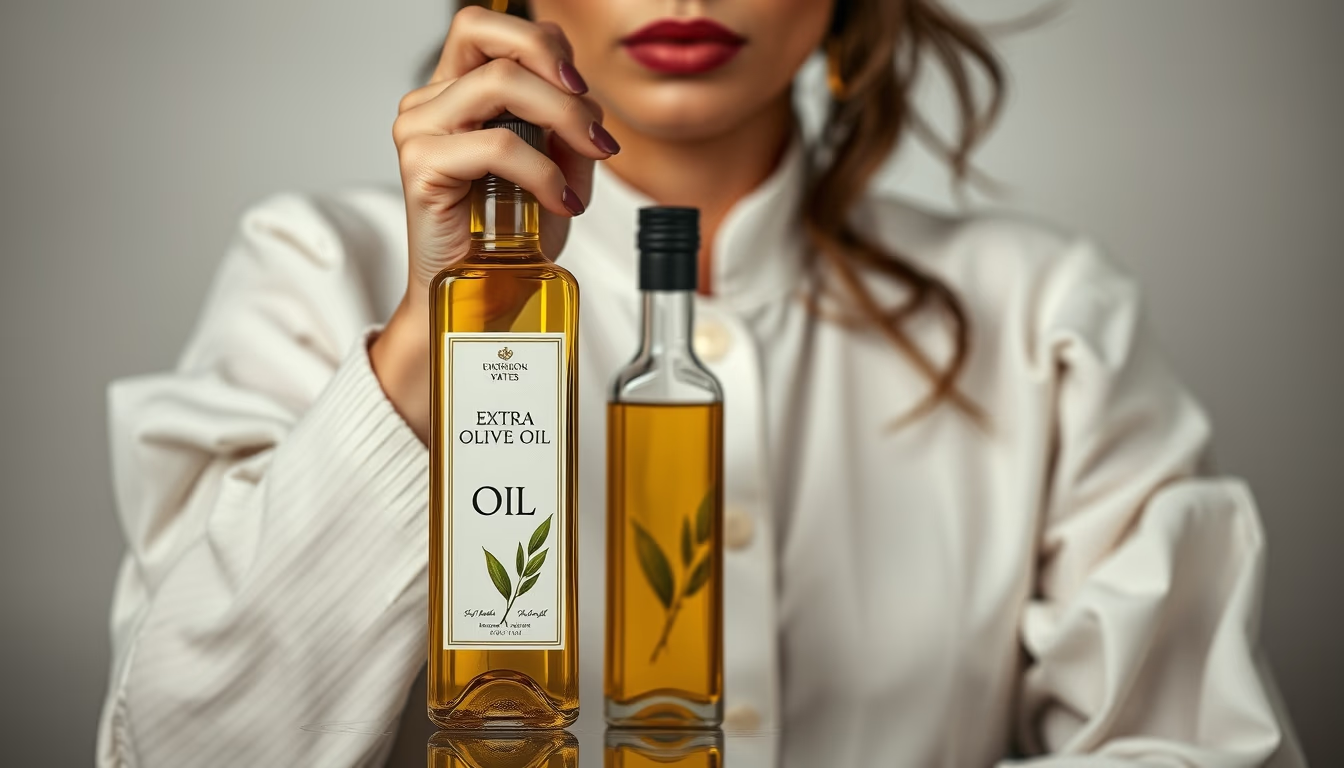
Extra virgin olive oil bottle: production, classification, and importance in Mediterranean and global cuisine.
About this subject
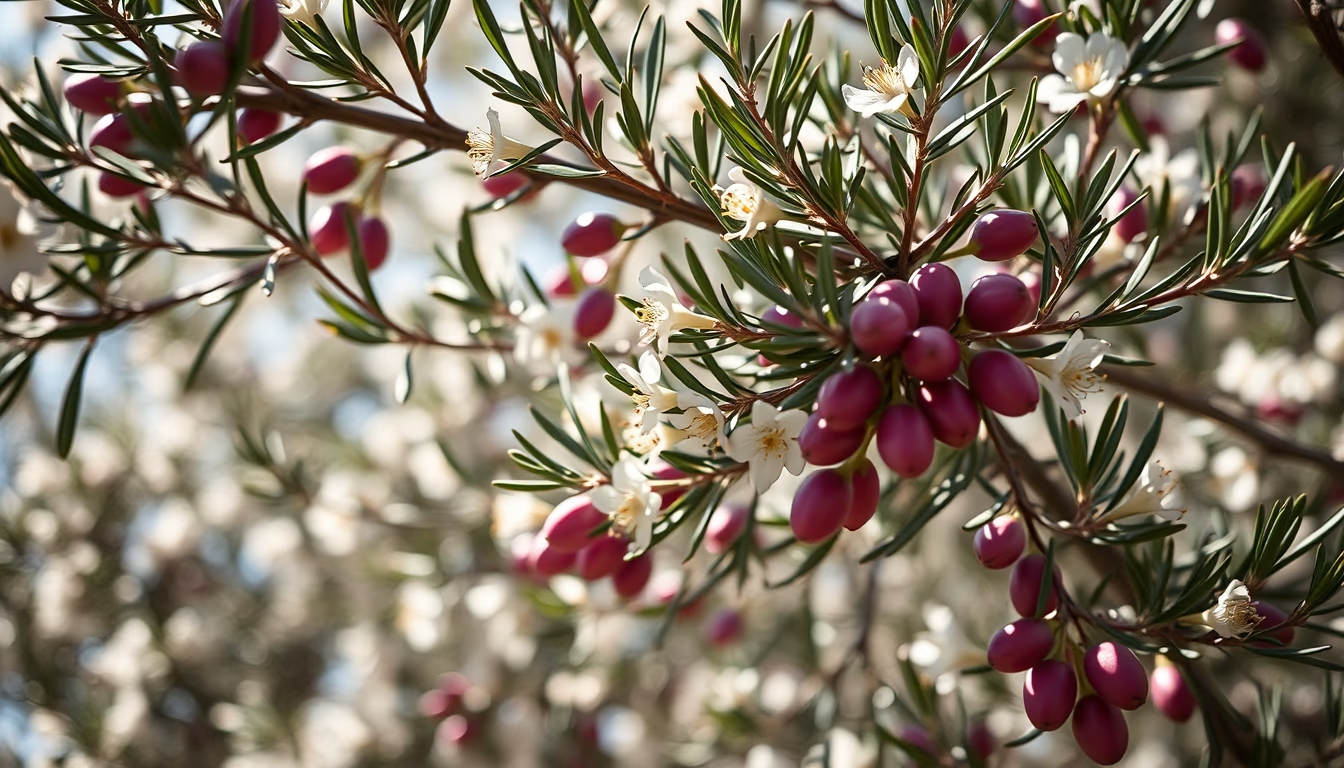
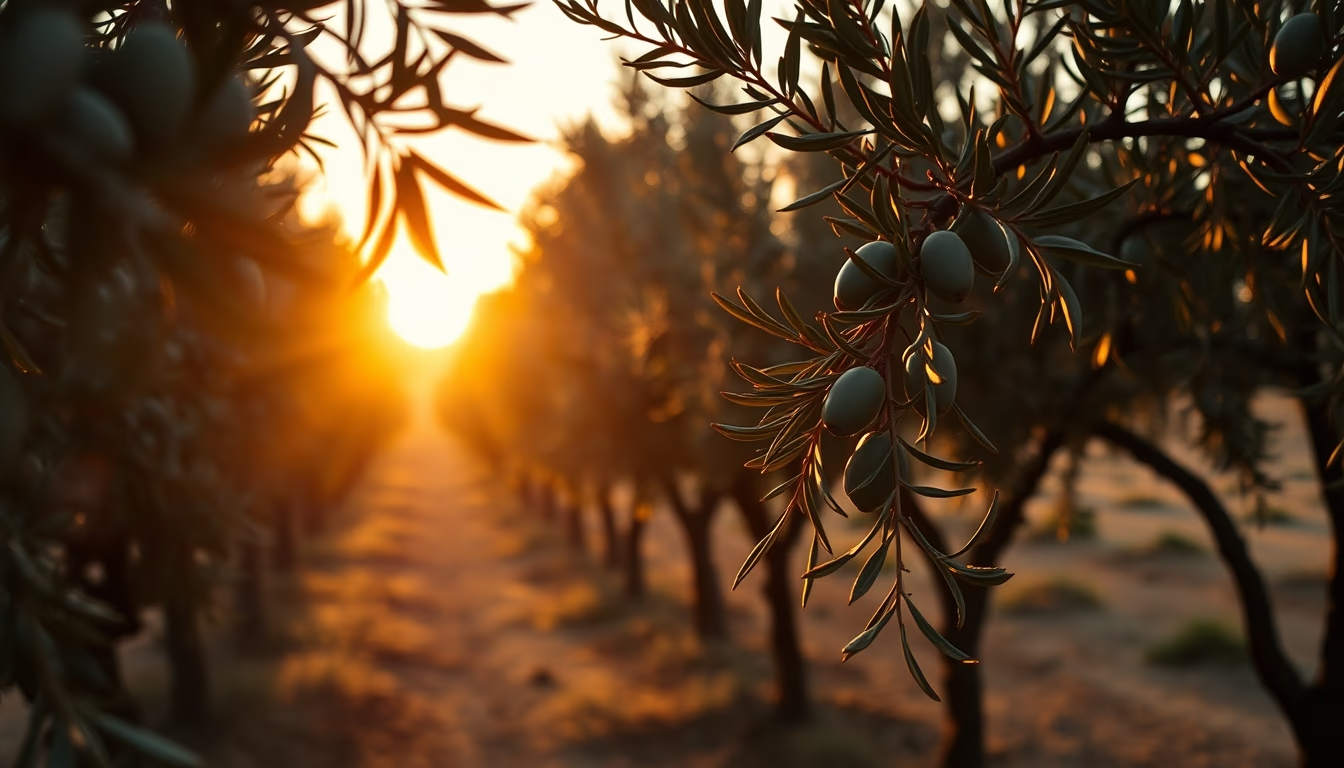
Extra virgin olive oil is obtained exclusively through mechanical processes, without chemical solvents, from fresh olives. To receive the 'extra virgin' label, the product must have a free acidity below 0.8% and meet strict sensory standards set by the International Olive Council (IOC). Italy, Spain, and Greece lead global production, with notable regions such as Andalusia (Spain) and Tuscany (Italy), where olive varieties like Arbequina, Picual, and Koroneiki confer distinct aromatic and flavor profiles.
Extra virgin olive oil is rich in monounsaturated fatty acids and antioxidant phenolic compounds such as oleuropein and hydroxytyrosol. Scientific studies associate its regular consumption with reduced risk of cardiovascular diseases, inflammation, and certain types of cancer. The Mediterranean diet, recognized by UNESCO as Intangible Cultural Heritage of Humanity, has extra virgin olive oil as one of its pillars, used both for cooking and finishing dishes.
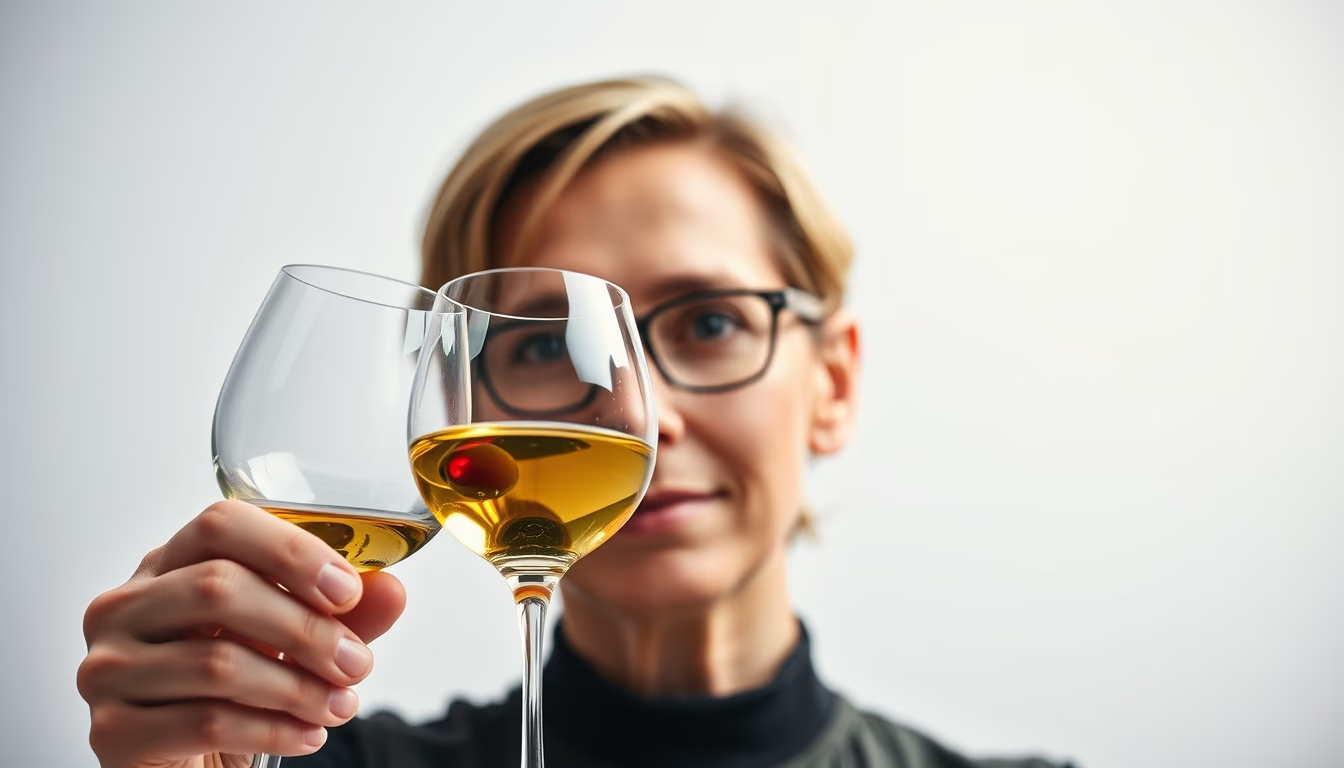
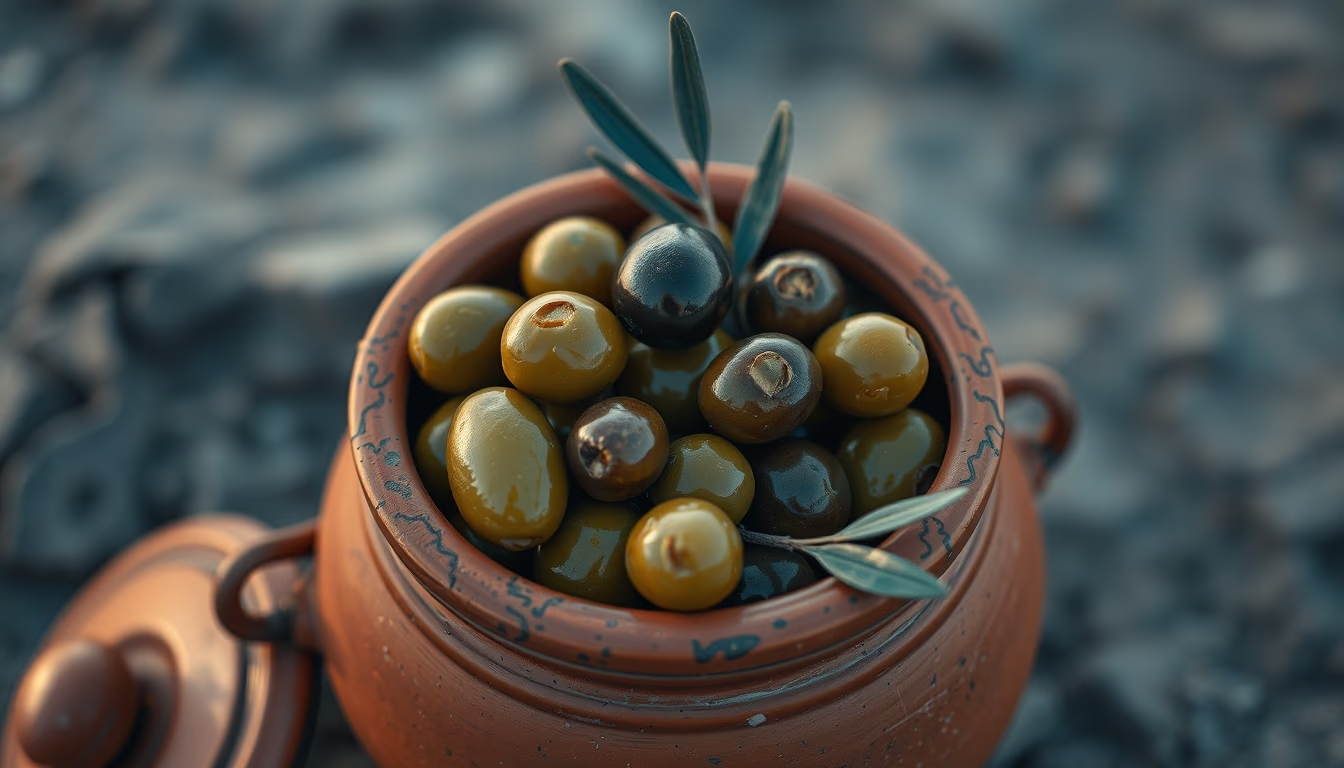
Olive oil classification follows international standards: besides extra virgin, there are virgin, lampante, and refined categories. Extra virgin is the highest quality and most commercially valuable. Artisanal production in traditional mills still coexists with industrial methods, and there is a growing market for monovarietal oils and Protected Designation of Origin (PDO) certifications that guarantee specific origin and production methods. The higher cost reflects low yield per hectare and manual harvesting in many estates.
In Brazil, consumption of extra virgin olive oil has increased, driven by immigration and the appreciation of Mediterranean cuisine. The Brazilian Association of Olive Oil Producers (Aproliva) reports that the country imports about 80% of its olive oil, mainly from Portugal, Spain, and Italy. However, domestic producers in the Serra da Mantiqueira and southern Brazil have been gaining prominence with internationally awarded oils.
Frequently Asked Questions
How can you tell if an olive oil is truly extra virgin?
Check the label: it must state 'extra virgin olive oil' and show acidity (ideally below 0.8%). Also look for certification seals like PDO or PGI, and prefer brands that disclose harvest date and olive variety.
What is the difference between extra virgin and virgin olive oil?
Extra virgin has a maximum acidity of 0.8% and perfect sensory score (no defects). Virgin can have up to 2% acidity and slight sensory defects. Both are mechanically extracted, but extra virgin is of higher quality.
Can extra virgin olive oil be used for frying?
Yes, extra virgin olive oil has a smoke point between 180°C and 210°C, sufficient for frying. However, for prolonged high heat, refined oils are better, as extra virgin loses some beneficial compounds with excessive heat.
Direct URL
https://pub-c7d6a6ea828543ac903a74a341ccb2e1.r2.dev/imagens/extra-virgin-olive-oil-bottle-high-fashion-editorial-p6.avifHow to credit
Include a visible link back to UtilizAí. Copy one of the snippets below:
<a href="https://xn--utiliza-eza.com/en/midia/imagens/extra-virgin-olive-oil-bottle-high-fashion-editorial-p6">Extra virgin olive oil bottle</a> by <a href="https://xn--utiliza-eza.com">UtilizAí</a>, licensed under <a href="https://creativecommons.org/licenses/by/4.0/">CC BY 4.0</a>.
[Extra virgin olive oil bottle](https://xn--utiliza-eza.com/en/midia/imagens/extra-virgin-olive-oil-bottle-high-fashion-editorial-p6) by [UtilizAí](https://xn--utiliza-eza.com), CC BY 4.0
License: CC-BY-4.0