Extra virgin olive oil bottle
1344×768 · AVIF · CC BY 4.0
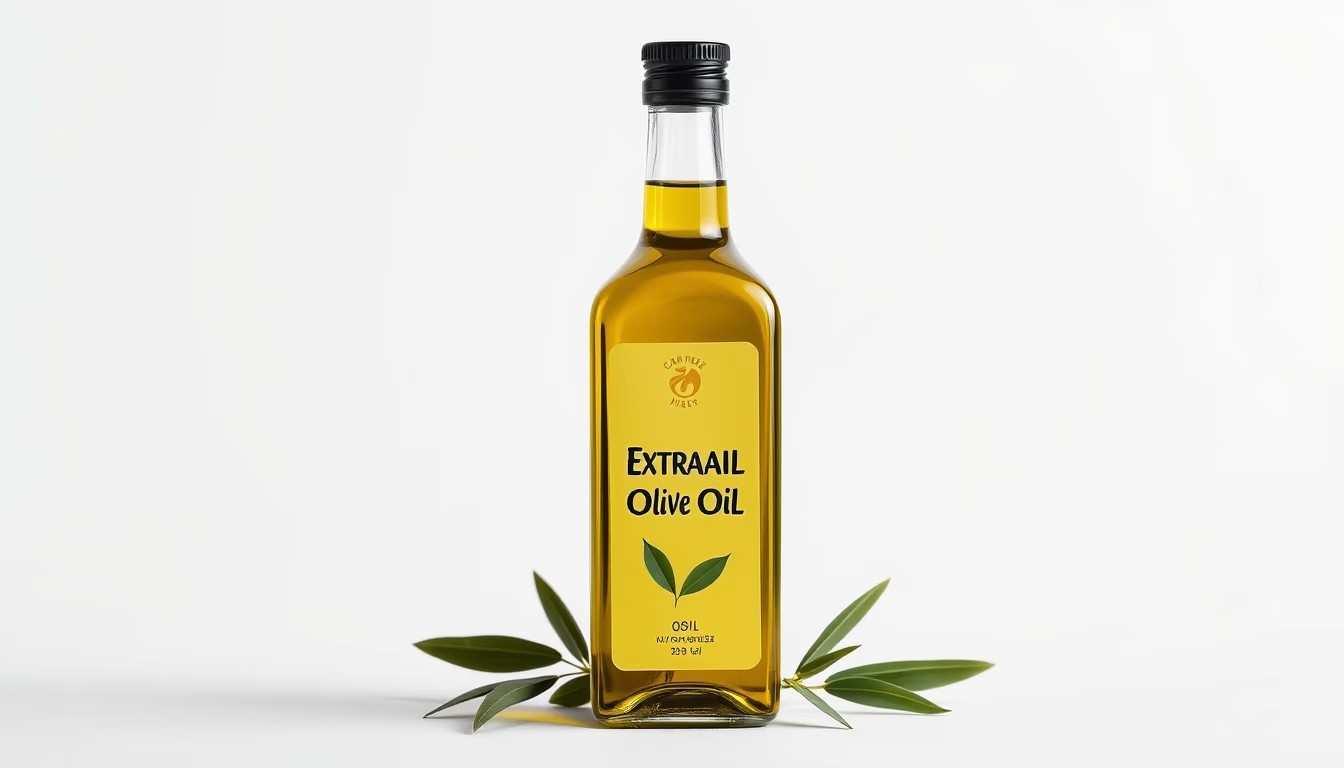
Extra virgin olive oil is the pure juice of olives, obtained by mechanical processes without refining, prized for its flavor and health benefits.
About this subject
Extra virgin olive oil is the highest grade of olive oil, obtained solely by mechanical means without solvents or high heat. Its free acidity is below 0.8%, indicating low degradation and high quality. Olives are harvested, washed, and cold-pressed at controlled temperatures (under 27°C) to preserve phenolic compounds and antioxidants.
Global production is concentrated in the Mediterranean, with Spain, Italy, and Greece accounting for over 70% of the total. In Brazil, consumption has grown sharply due to increased awareness of cardiovascular benefits and everyday culinary use. The country mostly imports from Portugal, Spain, and Argentina, but also produces small amounts in Rio Grande do Sul and Minas Gerais, using adapted cultivars.
Extra virgin olive oil is rich in monounsaturated fats, vitamin E, and polyphenols, associated with reduced risk of heart disease and inflammation. In cooking, it shines in finishing dishes such as salads, pasta, fish, and vegetables, but is not suitable for prolonged frying, as high heat degrades its properties. Proper storage in a dark, cool place is essential to preserve flavor and nutrients, since light and heat accelerate oxidation.
Labeling must clearly state the country of origin; blends from different sources must indicate that on the package. Cold extraction is a quality guarantee, but harvest and bottling dates are important freshness indicators. Fresher oils tend to have more intense, peppery flavors characteristic of polyphenols, and may display notes of grass, almond, and fruit.
Frequently Asked Questions
What does 'extra virgin' mean in olive oil?
Extra virgin is the highest grade, meaning the oil is extracted by mechanical means (no refining) and has free acidity below 0.8%, with no flavor defects.
How should extra virgin olive oil be stored?
Store in a cool, dark place away from heat. Prefer dark glass or metal containers, tightly sealed. Avoid direct light and temperature fluctuations.
Can extra virgin olive oil be used for frying?
It is not recommended for prolonged frying, as high heat degrades its antioxidants and may produce harmful compounds. It is best for cold uses or light sautéing.
Direct URL
https://pub-c7d6a6ea828543ac903a74a341ccb2e1.r2.dev/imagens/extra-virgin-olive-oil-bottle-commercial-product-photography-p3.avifHow to credit
Include a visible link back to UtilizAí. Copy one of the snippets below:
<a href="https://xn--utiliza-eza.com/en/midia/imagens/extra-virgin-olive-oil-bottle-commercial-product-photography-p3">Extra virgin olive oil bottle</a> by <a href="https://xn--utiliza-eza.com">UtilizAí</a>, licensed under <a href="https://creativecommons.org/licenses/by/4.0/">CC BY 4.0</a>.
[Extra virgin olive oil bottle](https://xn--utiliza-eza.com/en/midia/imagens/extra-virgin-olive-oil-bottle-commercial-product-photography-p3) by [UtilizAí](https://xn--utiliza-eza.com), CC BY 4.0
License: CC-BY-4.0