Eurotunnel channel
1344×768 · JPG · CC BY 4.0
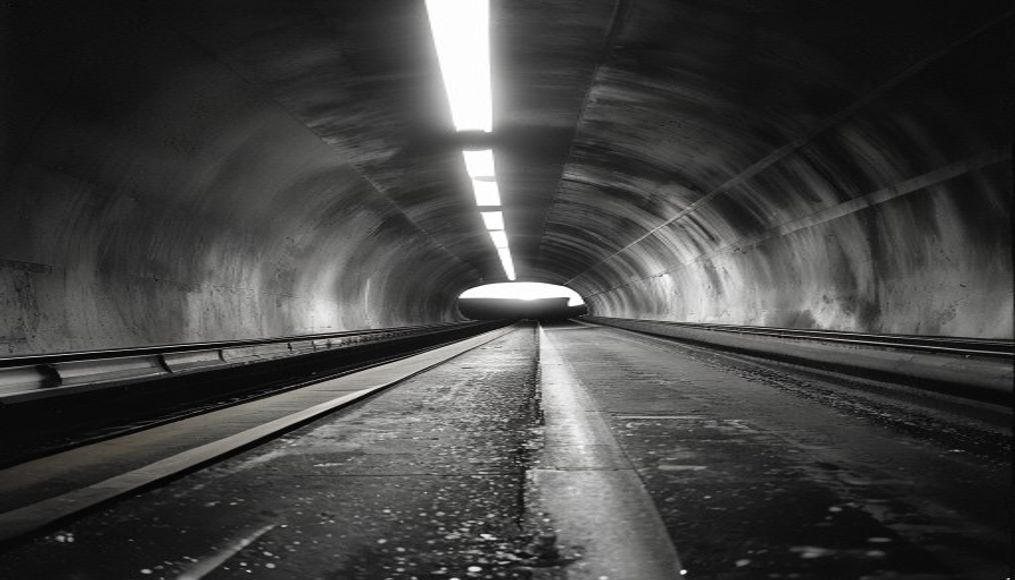
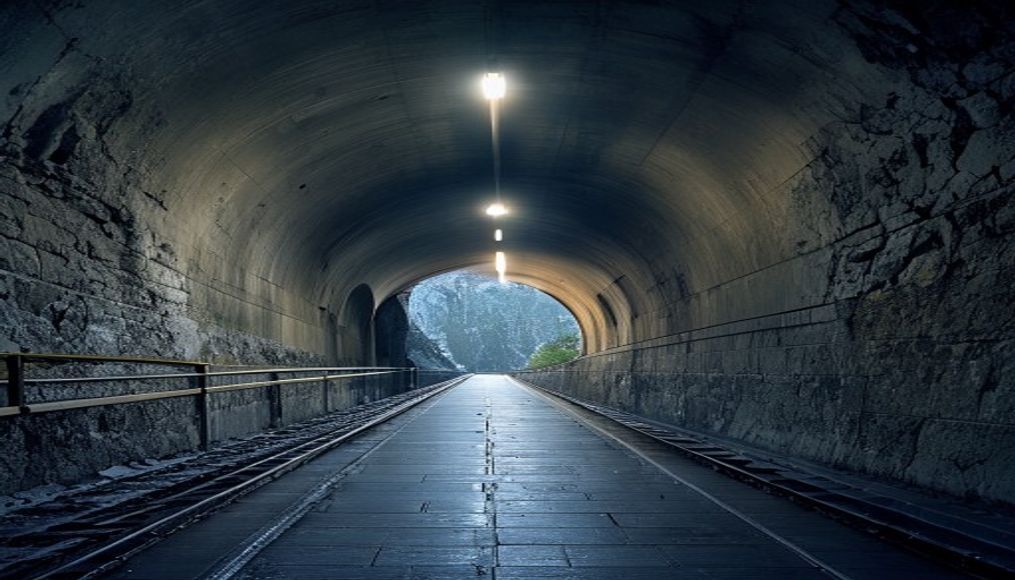
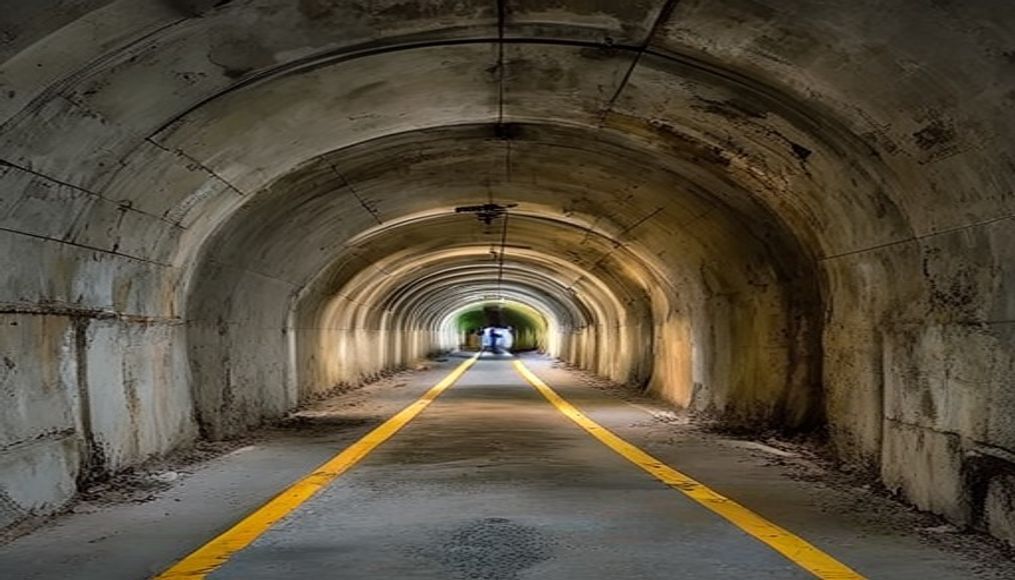
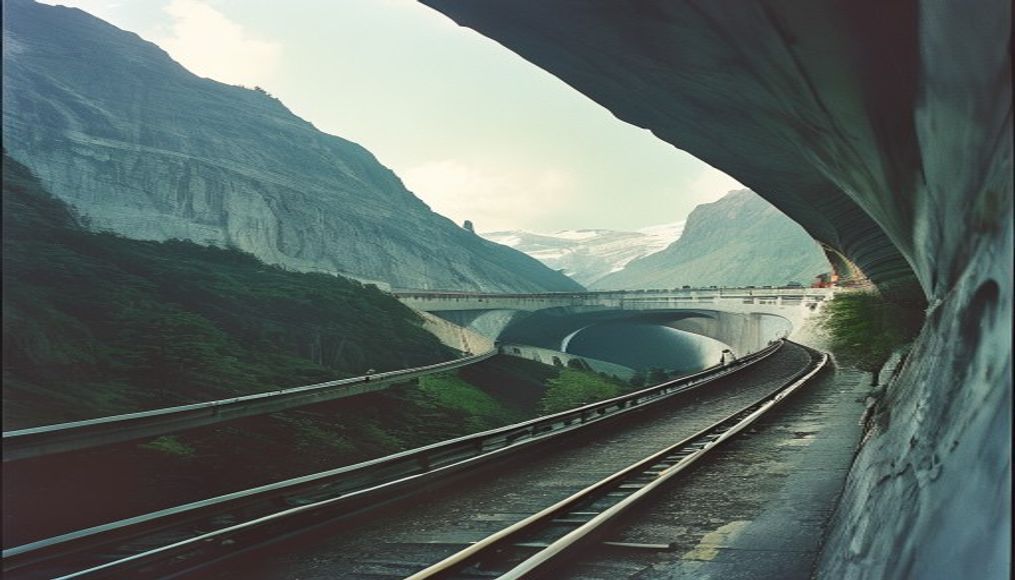
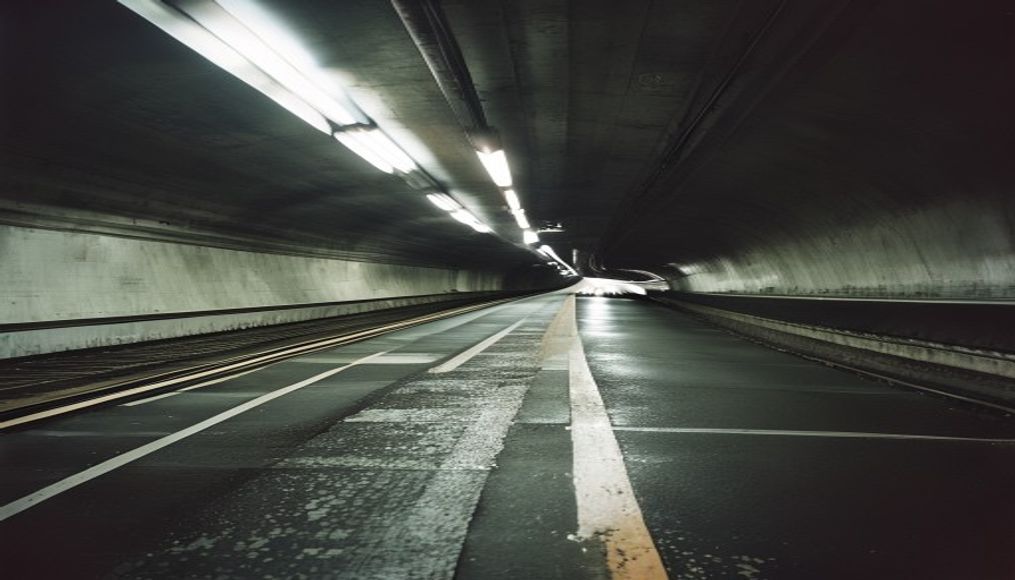
The Eurotunnel, also known as the Channel Tunnel, is a 50 km underwater railway link between England and France, a landmark of modern engineering.
About this subject
The Eurotunnel, officially the Channel Tunnel, is one of the greatest engineering achievements of the 20th century. Opened in 1994, it connects Folkestone, UK, to Coquelles, France, beneath the English Channel. Spanning 50.45 km, with 37.9 km underwater, it is the world's longest undersea tunnel. Construction involved 15,000 workers over six years, costing an estimated £4.6 billion (about £12 billion today).
The tunnel comprises three parallel tubes: two for rail traffic (one each direction) and a central service and ventilation tunnel. High-speed Eurostar trains complete the journey in about 35 minutes, linking London to Paris and Brussels. Beyond passengers, the tunnel is vital for freight, operating Le Shuttle service for road vehicles, which are loaded onto special carriages for a 35-minute crossing.
The concept of a tunnel under the Channel dates back to 1802, with further attempts in 1881, but only in 1986 did France and the UK sign the Treaty of Canterbury to proceed. The project overcame geological hurdles, excavating in waterproof chalk marl, and financial overruns of 80%. It has become a symbol of European integration, boosting tourism and trade between the mainland and Britain.
Interestingly, the tunnel is not a single bore: two crossover points allow trains to switch tubes during emergencies. Safety systems include smoke detectors, thermal cameras, and powerful rescue locomotives. In 2023, about 21 million passengers used the Eurotunnel, cementing its role as critical European infrastructure.
Frequently Asked Questions
How deep is the Eurotunnel?
The tunnel reaches a maximum depth of 75 meters below sea level, averaging 40, 50 meters beneath the seabed, ensuring stability and protection from maritime traffic.
How long does it take to cross the Eurotunnel by train?
The Eurostar train traverses the tunnel in about 35 minutes at speeds up to 160 km/h. Le Shuttle for vehicles also takes 35 minutes, including boarding and alighting.
How many cars can pass through the Eurotunnel per day?
Le Shuttle operates up to four departures per hour per direction, each carrying about 180 cars. This amounts to roughly 15,000 vehicles per day in each direction.
Direct URL
https://pub-c7d6a6ea828543ac903a74a341ccb2e1.r2.dev/imagens/eurotunnel-channel-lo-fi-disposable-camera-p4.jpgHow to credit
Include a visible link back to UtilizAí. Copy one of the snippets below:
<a href="https://xn--utiliza-eza.com/en/midia/imagens/eurotunnel-channel-lo-fi-disposable-camera-p4">Eurotunnel channel</a> by <a href="https://xn--utiliza-eza.com">UtilizAí</a>, licensed under <a href="https://creativecommons.org/licenses/by/4.0/">CC BY 4.0</a>.
[Eurotunnel channel](https://xn--utiliza-eza.com/en/midia/imagens/eurotunnel-channel-lo-fi-disposable-camera-p4) by [UtilizAí](https://xn--utiliza-eza.com), CC BY 4.0
License: CC-BY-4.0