Eton chapel interior
1344×768 · AVIF · CC BY 4.0
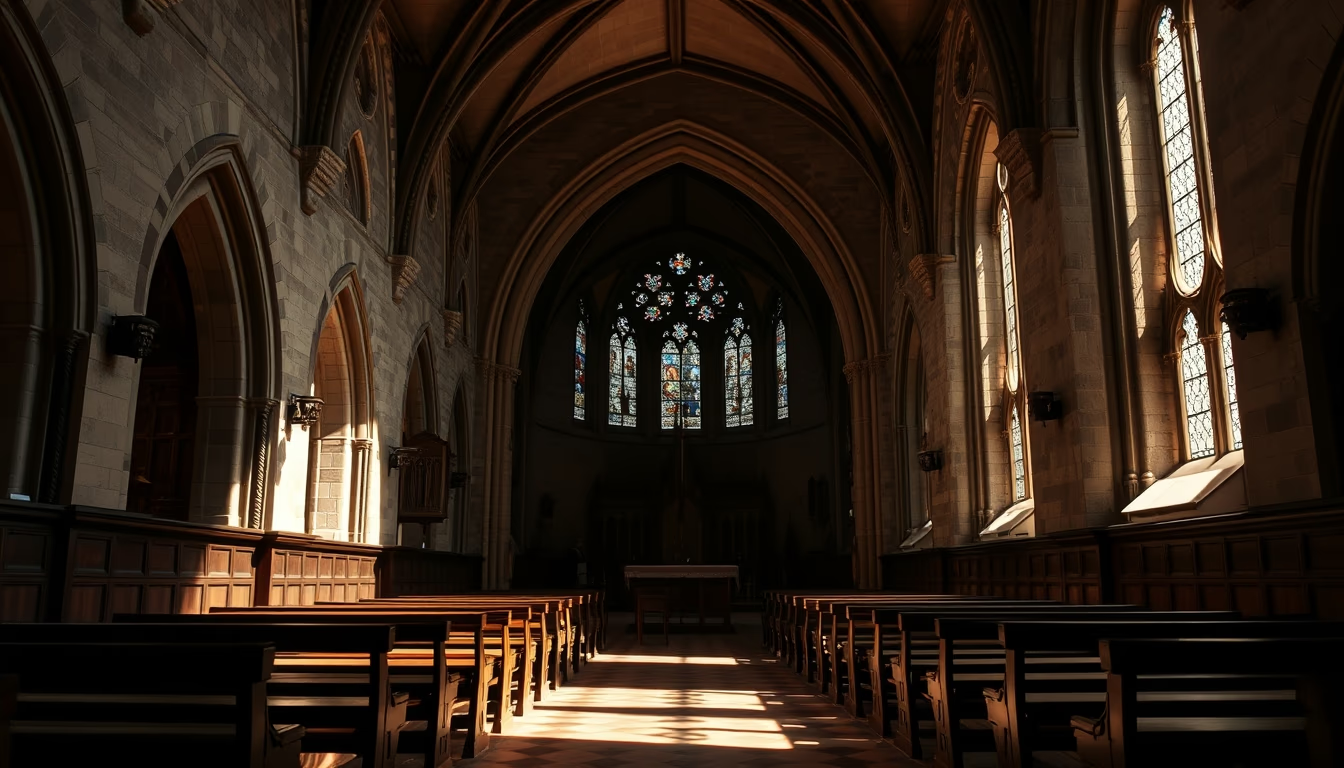
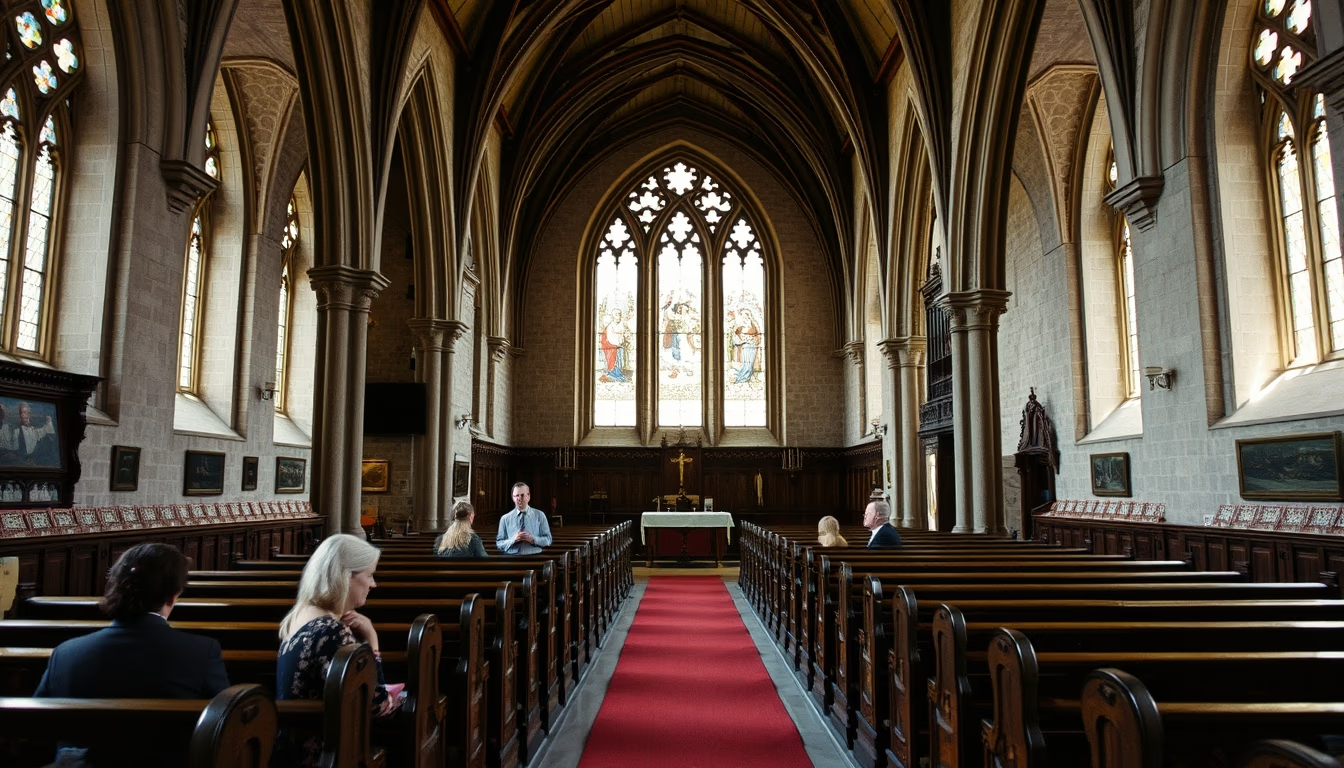
Eton College Chapel, built in the 15th century, impresses with its Perpendicular Gothic style, fan vaulting, and dramatic natural lighting effects.
About this subject
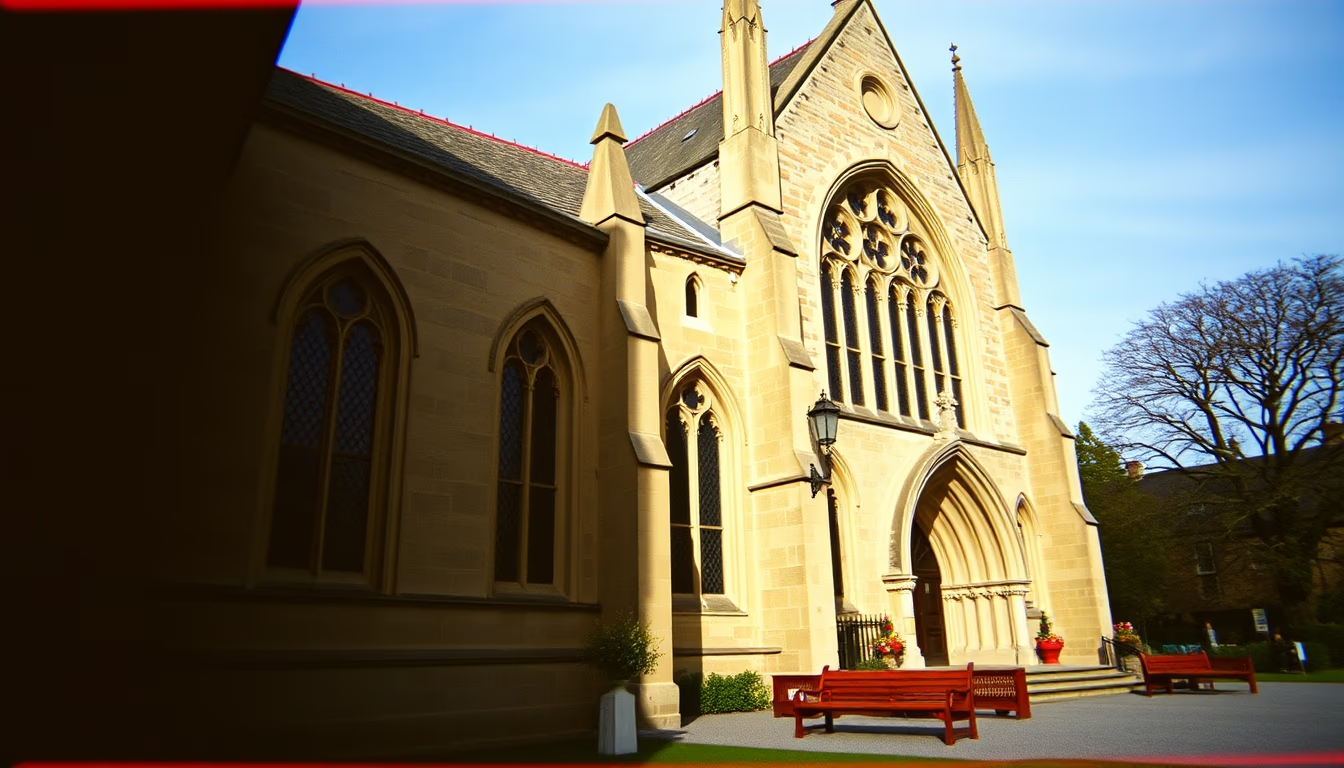
Eton College Chapel stands as one of the finest examples of Perpendicular Gothic architecture in England. Its construction began in 1441 under King Henry VI, founder of the school, and was completed in 1482, during the Tudor period. The structure replaced an earlier chapel and was designed to reflect the prestige of the institution, which educated the country's intellectual and political elite.
The interior is dominated by one of the most extensive fan vaults in the world, carved from limestone. This type of vault, characteristic of late English Gothic, creates an effect of lightness and verticality that directs the eye toward the altar. The tall windows, with stained glass from the 15th and 21st centuries, filter light to produce intense contrasts between lit and shadowed areas, a phenomenon often compared to Rembrandt's chiaroscuro technique. This dramatic lighting is especially noticeable on winter afternoons, when the low sun strikes the western glazing.
The chapel plays a central role in school life, hosting daily services, concerts, and academic ceremonies. Its organ, built by Harrison & Harrison in 1934, is one of the most renowned in the United Kingdom. Additionally, the stained glass includes contemporary works, such as those designed by John Piper and Patrick Reyntiens in the 1950s, depicting biblical scenes in vibrant colors. Preservation efforts ensure the building's historical authenticity while adapting to modern lighting and acoustic needs.
Frequently Asked Questions
What is the architectural style of Eton College Chapel?
The chapel is built in the Perpendicular Gothic style, characteristic of late medieval England, emphasizing vertical lines, large windows, and fan vaulting.
Why is the interior lighting of the chapel described as 'dramatic'?
The tall windows and stained glass filter natural light to create intense contrasts between lit and shadowed areas, an effect reminiscent of the chiaroscuro technique used by Rembrandt in his paintings.
Does Eton College Chapel feature modern stained glass?
Yes, in addition to the original 15th-century stained glass, the chapel houses contemporary windows designed by John Piper and Patrick Reyntiens in the 1950s, adding vibrant colors to biblical scenes.
Direct URL
https://pub-c7d6a6ea828543ac903a74a341ccb2e1.r2.dev/imagens/eton-chapel-interior-rembrandt-lighting-dramatic-shadows-fresh5.avifHow to credit
Include a visible link back to UtilizAí. Copy one of the snippets below:
<a href="https://xn--utiliza-eza.com/en/midia/imagens/eton-chapel-interior-rembrandt-lighting-dramatic-shadows-fresh5">Eton chapel interior</a> by <a href="https://xn--utiliza-eza.com">UtilizAí</a>, licensed under <a href="https://creativecommons.org/licenses/by/4.0/">CC BY 4.0</a>.
[Eton chapel interior](https://xn--utiliza-eza.com/en/midia/imagens/eton-chapel-interior-rembrandt-lighting-dramatic-shadows-fresh5) by [UtilizAí](https://xn--utiliza-eza.com), CC BY 4.0
License: CC-BY-4.0