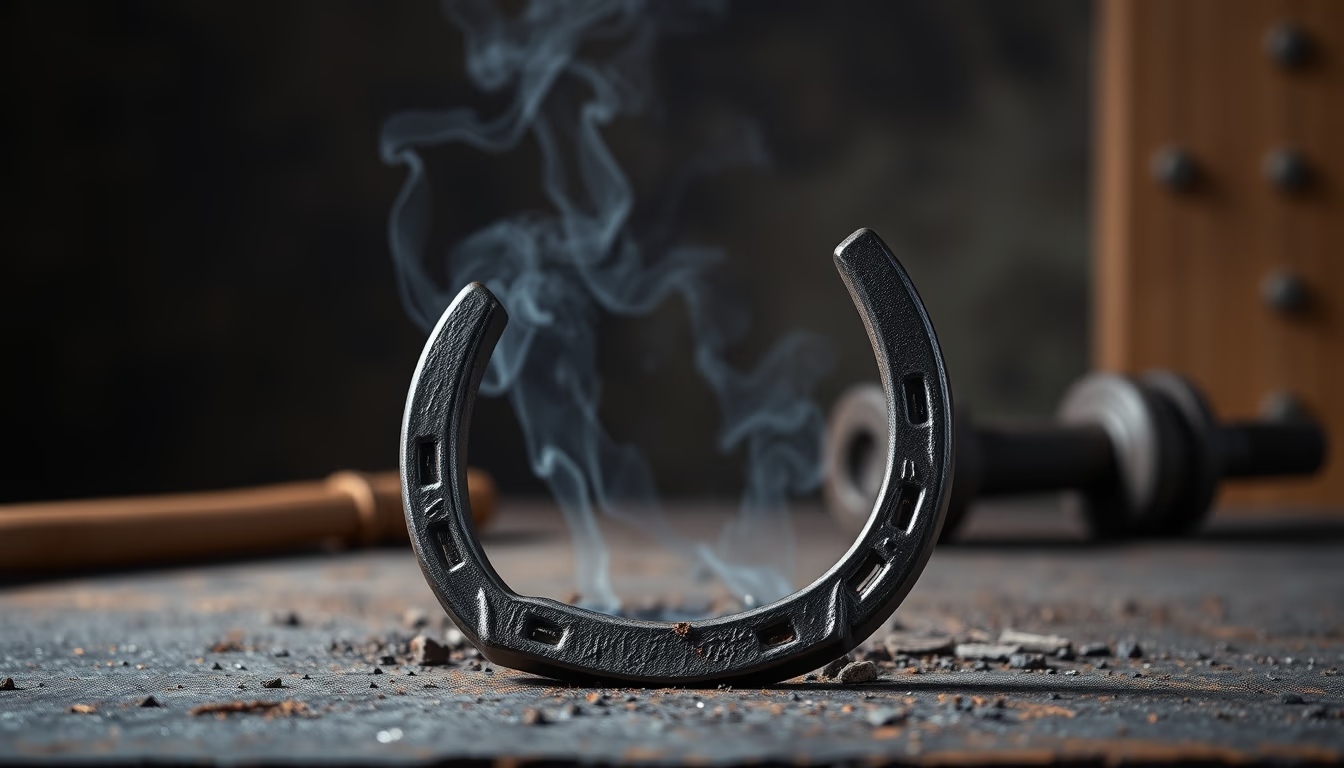
English saddle dressage
1344×768 · AVIF · CC BY 4.0

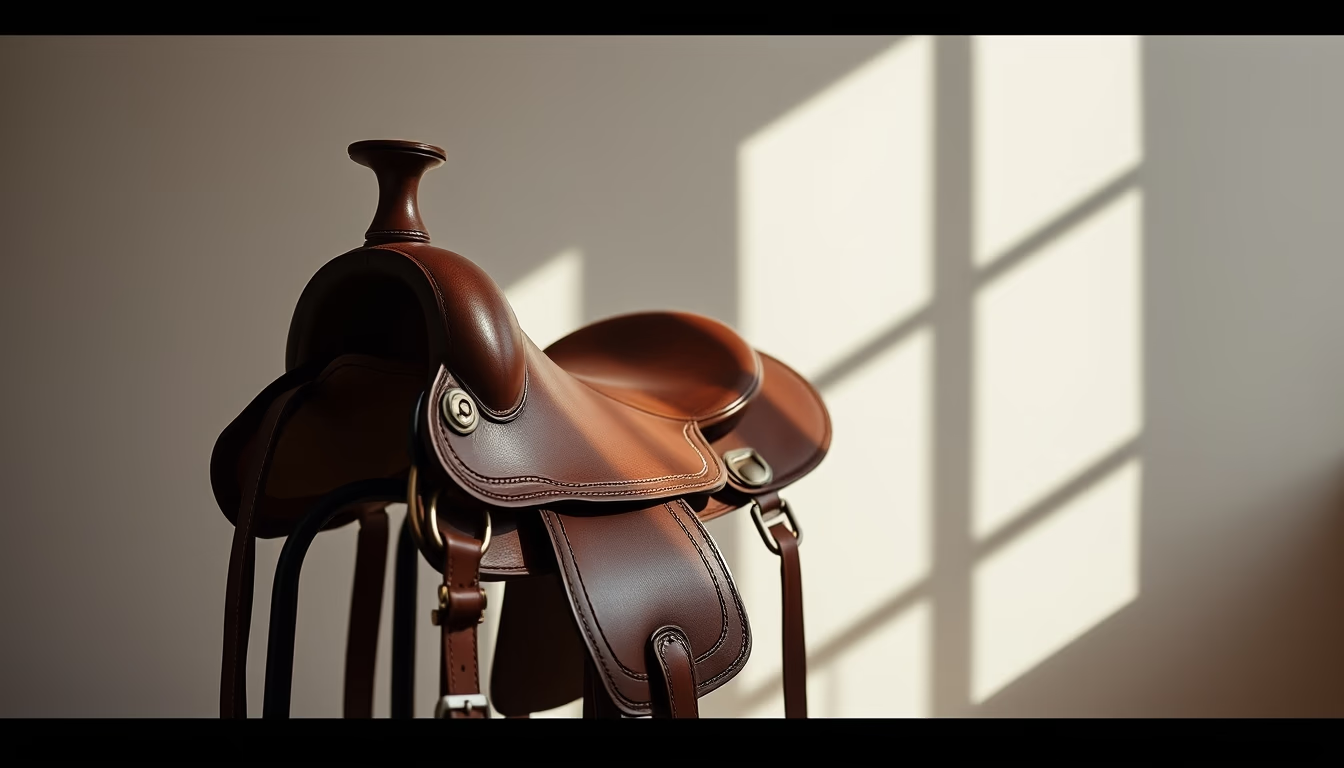
The English dressage saddle is designed to provide balance and subtle contact between horse and rider, essential in the dressage discipline.
About this subject
The English dressage saddle, also known as a dressage saddle, is a specialized piece of equestrian equipment designed for the discipline of dressage. Unlike jumping or general-purpose saddles, the dressage saddle features a deeper, straighter seat with longer, flatter flaps. This configuration allows the rider to maintain a longer leg position with the heel aligned under the hip, facilitating subtle communication through leg aids and seat. The construction prioritizes stability and close contact with the horse's back, typically with a narrower tree and flocked panels that distribute weight evenly.
Historically, dressage evolved from European military practices in the 16th and 17th centuries, where precision in horse movements was crucial. The modern English dressage saddle became established in the 20th century, with innovations from manufacturers such as Stübben and Pessoa. The saddle is often made from high-quality leather, with adjustable panels to fit different horse conformations. The girth is positioned further back compared to jumping saddles, to avoid pressure on the sternum area.
In the competitive context of the Fédération Equestre Internationale (FEI), the dressage saddle must be discreet and elegant, typically in black or dark brown leather, without excessive ornamentation. The saddle tree is usually made of metal or lightweight synthetic materials, ensuring rigidity without extra weight. A lesser-known fact is that seat depth varies with rider level: deeper seats for beginners (offering more security) and flatter seats for advanced riders (allowing greater freedom of movement).
Maintenance of the dressage saddle is rigorous, as regular cleaning and conditioning of the leather extend its lifespan and prevent cracking. Proper saddle fitting is critical for the horse's well-being, preventing pressure points that can cause discomfort or injury. Many professionals recommend periodic checks by a qualified saddler, especially after changes in the horse's physical condition, such as muscle gain or loss.
Frequently Asked Questions
What is the difference between a dressage saddle and a jumping saddle?
A dressage saddle has a deeper seat and longer, straighter flaps, allowing the rider's leg to be extended. A jumping saddle has a shallower seat and shorter, more forward-cut flaps to facilitate the two-point position during jumps.
Why does a dressage saddle have a deep seat?
The deep seat provides stability and close contact with the horse, essential for the subtle seat and leg aids in dressage. It helps the rider maintain proper position and communicate precisely.
How can I tell if a dressage saddle fits my horse properly?
The saddle should not put pressure on the horse's spine and should allow enough clearance for the shoulder blades. The panels should make even contact with the back, and the tree should not touch the horse anywhere. A professional saddler evaluation is recommended.
Direct URL
https://pub-c7d6a6ea828543ac903a74a341ccb2e1.r2.dev/imagens/english-saddle-dressage-tilt-shift-miniature-fresh10.avifHow to credit
Include a visible link back to UtilizAí. Copy one of the snippets below:
<a href="https://xn--utiliza-eza.com/en/midia/imagens/english-saddle-dressage-tilt-shift-miniature-fresh10">English saddle dressage</a> by <a href="https://xn--utiliza-eza.com">UtilizAí</a>, licensed under <a href="https://creativecommons.org/licenses/by/4.0/">CC BY 4.0</a>.
[English saddle dressage](https://xn--utiliza-eza.com/en/midia/imagens/english-saddle-dressage-tilt-shift-miniature-fresh10) by [UtilizAí](https://xn--utiliza-eza.com), CC BY 4.0
License: CC-BY-4.0