Easter eggs decorated
1344×768 · AVIF · CC BY 4.0
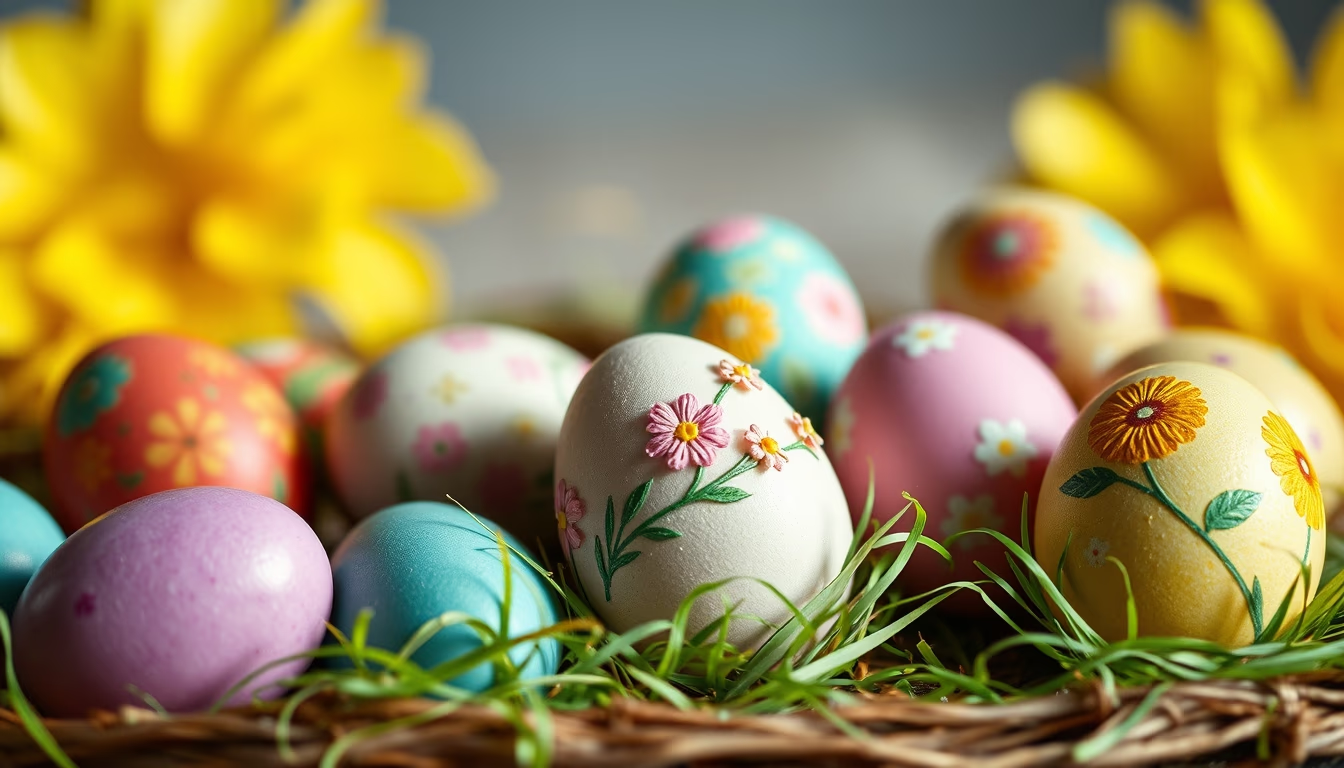
Decorated Easter eggs are an ancient tradition symbolizing renewal and life, with techniques ranging from hand-painting to natural dyes.
About this subject
The practice of decorating eggs for Easter dates back to ancient civilizations, such as the Persians and Egyptians, who adorned eggs as symbols of fertility and rebirth. With the Christianization of the holiday, eggs came to represent the resurrection of Christ. In Eastern Europe, especially Ukraine, the art of pysanka, eggs decorated with geometric patterns and protective symbols, has been practiced for centuries using beeswax and natural dyes derived from plants and bark.
In Brazil, the tradition of decorating chicken eggs coexists with the massive chocolate egg industry, but in communities of European immigrants, such as German and Italian colonies in the South, the handcrafted technique remains alive. Boiled eggs are dyed with beetroot, turmeric, or red cabbage, then hand-painted with floral or religious motifs. In family gatherings, children join the decoration using acrylic paints and stickers.
Modern decoration has diversified: techniques include decoupage, glitter, ribbons, and even laser engraving. The lo-fi trend, captured by disposable cameras, values the homemade and imperfect look, reviving the charm of analog celebrations. In 2026, the search for sustainable decorations boosts the use of natural dyes and organic eggs, merging tradition and environmental awareness.
Fun fact: in the Greek Orthodox tradition, eggs are dyed red to symbolize Christ's blood, and people bang them against each other, the one with the strongest egg is said to have good luck for the year.
Frequently Asked Questions
What is the origin of decorated Easter eggs?
The tradition comes from ancient peoples like the Persians and Egyptians, who decorated eggs as fertility symbols. With Christianity, they came to represent Christ's resurrection.
Which natural materials can I use to dye eggs?
Beetroot (pink), turmeric (yellow), red cabbage (blue), and onion skins (orange) are common options. Simply boil the eggs with the natural dye.
How is the pysanka technique done?
Pysanka uses melted beeswax applied with a tool called a kistka. The egg is dipped in successive dyes, and the wax is removed at the end, revealing the design.
Direct URL
https://pub-c7d6a6ea828543ac903a74a341ccb2e1.r2.dev/imagens/easter-eggs-decorated-lo-fi-disposable-camera-p0.avifHow to credit
Include a visible link back to UtilizAí. Copy one of the snippets below:
<a href="https://xn--utiliza-eza.com/en/midia/imagens/easter-eggs-decorated-lo-fi-disposable-camera-p0">Easter eggs decorated</a> by <a href="https://xn--utiliza-eza.com">UtilizAí</a>, licensed under <a href="https://creativecommons.org/licenses/by/4.0/">CC BY 4.0</a>.
[Easter eggs decorated](https://xn--utiliza-eza.com/en/midia/imagens/easter-eggs-decorated-lo-fi-disposable-camera-p0) by [UtilizAí](https://xn--utiliza-eza.com), CC BY 4.0
License: CC-BY-4.0