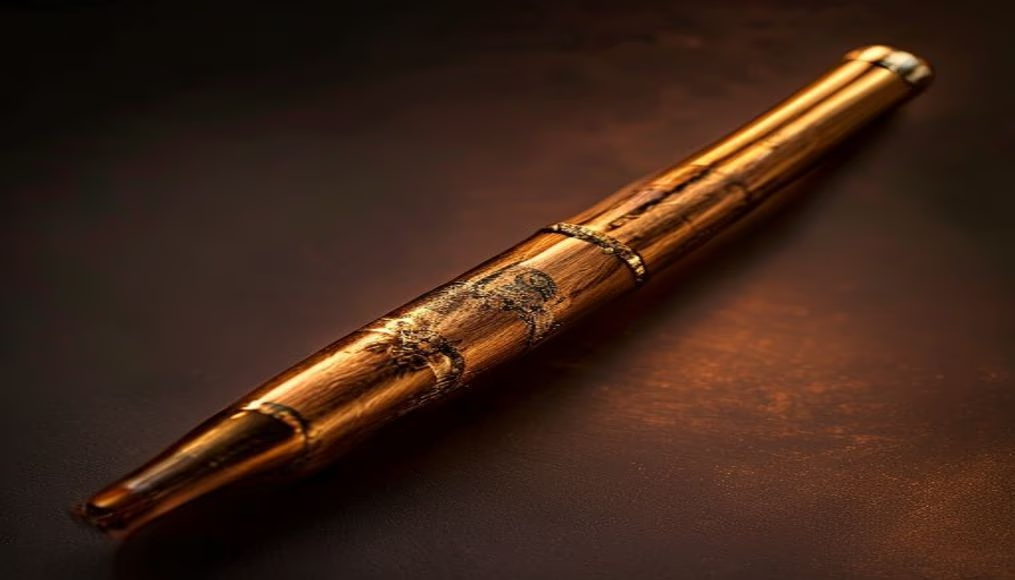
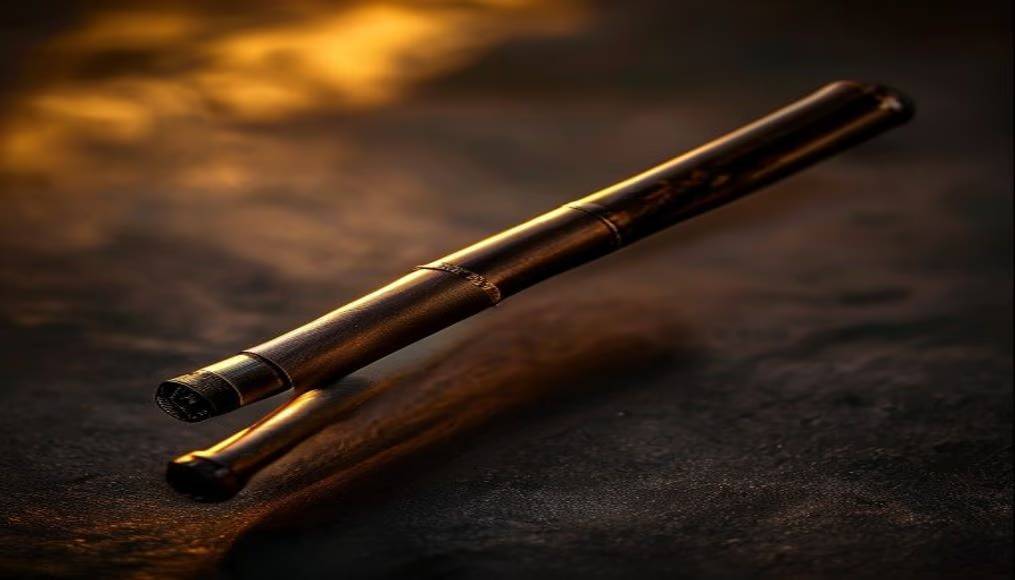
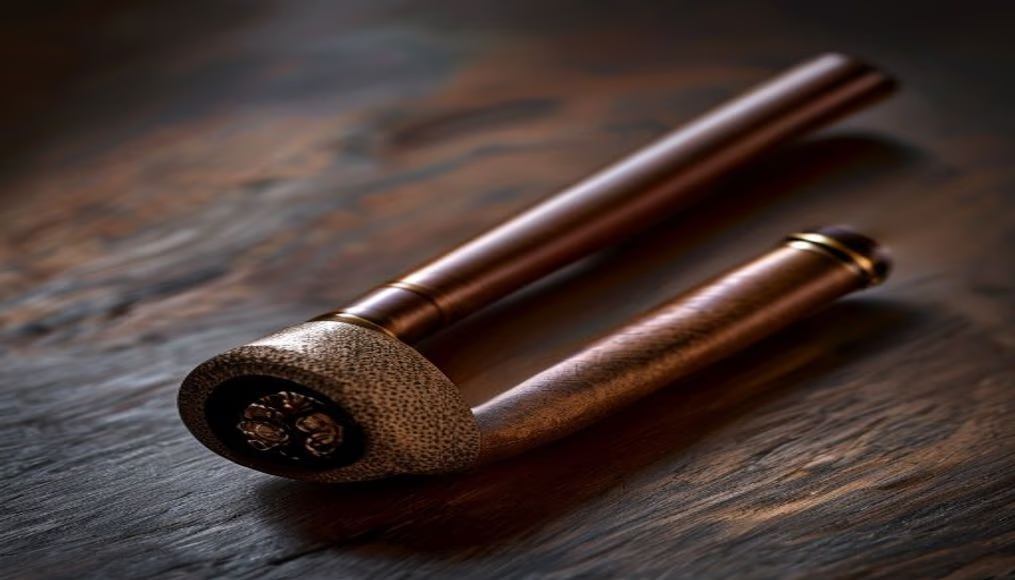
Dunhill bruyere root pipe
1344×768 · AVIF · CC BY 4.0
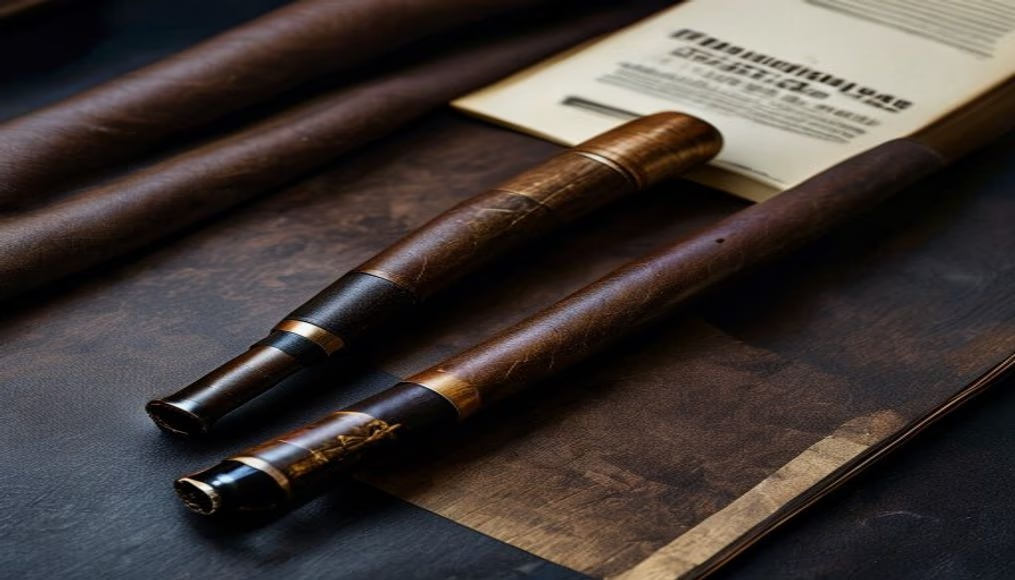
The Dunhill bruyere root pipe represents the pinnacle of English woodcraft and luxury smoking tradition, carved from century-old briar root.
About this subject
Dunhill, founded in 1907 by Alfred Dunhill in London, became synonymous with pipe-making excellence. The Root line, introduced in the 1930s, stands out for using briar root in its purest form, without coatings that hide the natural grain. This material choice is deliberate: briar root, harvested from Mediterranean shrubs, offers ideal density and heat resistance for slow smoking, while revealing unique grain patterns in each piece.
The manufacturing process of a Dunhill Root requires years of preparation. The root is cut while still green and undergoes a long curing and aging period, which can take one to two years just to reach optimal moisture. Skilled artisans then carve the pipe by hand, respecting the wood's irregularities to enhance natural designs. Each pipe receives a serial number and the famous white spot on the stem, the house's trademark.
Culturally, the Dunhill Root was adopted by tobacco aficionados as a symbol of sophistication and good taste. Its presence in private clubs and smoking gatherings cemented the pipe as an investment, with vintage models fetching high prices at auctions. The combination of handcrafted tradition, timeless design, and functionality makes the Dunhill bruyere root a coveted object among collectors and tobacco enthusiasts.
Frequently Asked Questions
What sets a Dunhill Root pipe apart from others?
The Root line is distinguished by using high-grade briar root with a natural finish that highlights the wood grain. Each pipe is serial-numbered and bears the brand's white spot, ensuring authenticity and handcrafted quality.
Why is briar root preferred for high-quality pipes?
Briar root is dense, heat-resistant, and neutral in flavor. Its porous structure absorbs moisture, resulting in a drier, cooler smoke. The natural grain patterns make every pipe unique.
How to identify an authentic Dunhill pipe?
Check for the white spot on the left side of the stem, the serial number engraved on the base, and the markings 'Dunhill' and 'London' or 'England'. Vintage models may also include a date code. The quality of finish and symmetry are also telltale signs.
Direct URL
https://pub-c7d6a6ea828543ac903a74a341ccb2e1.r2.dev/imagens/dunhill-bruyere-root-pipe-magazine-cover-editorial-composition-luxo1.avifHow to credit
Include a visible link back to UtilizAí. Copy one of the snippets below:
<a href="https://xn--utiliza-eza.com/en/midia/imagens/dunhill-bruyere-root-pipe-magazine-cover-editorial-composition-luxo1">Dunhill bruyere root pipe</a> by <a href="https://xn--utiliza-eza.com">UtilizAí</a>, licensed under <a href="https://creativecommons.org/licenses/by/4.0/">CC BY 4.0</a>.
[Dunhill bruyere root pipe](https://xn--utiliza-eza.com/en/midia/imagens/dunhill-bruyere-root-pipe-magazine-cover-editorial-composition-luxo1) by [UtilizAí](https://xn--utiliza-eza.com), CC BY 4.0
License: CC-BY-4.0