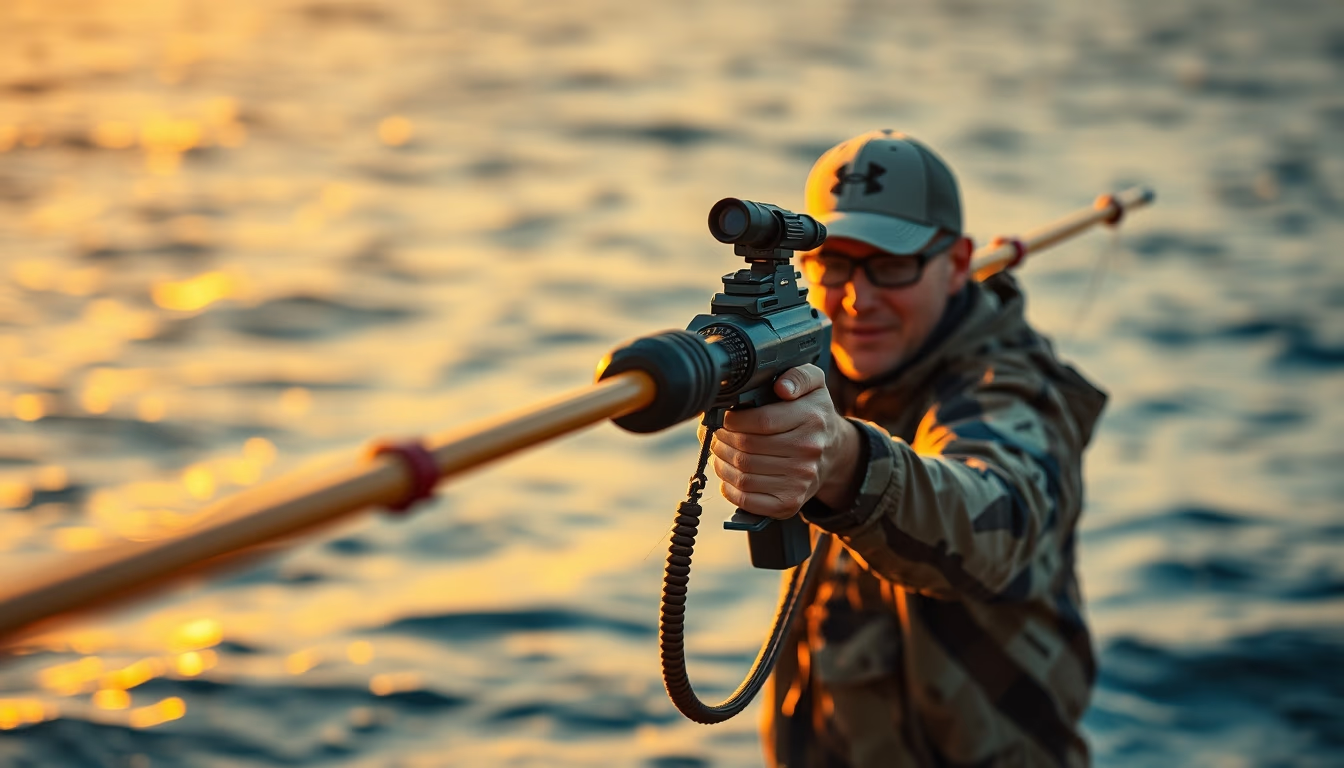
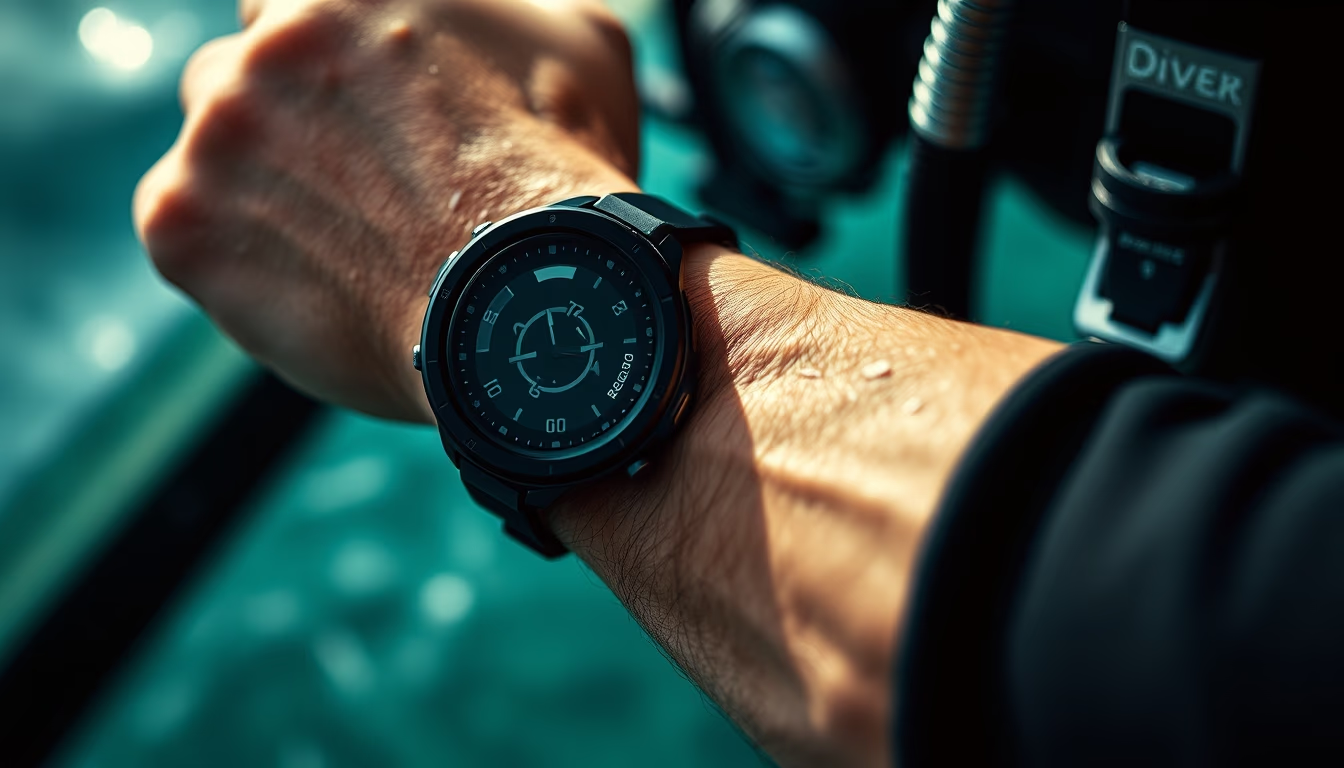
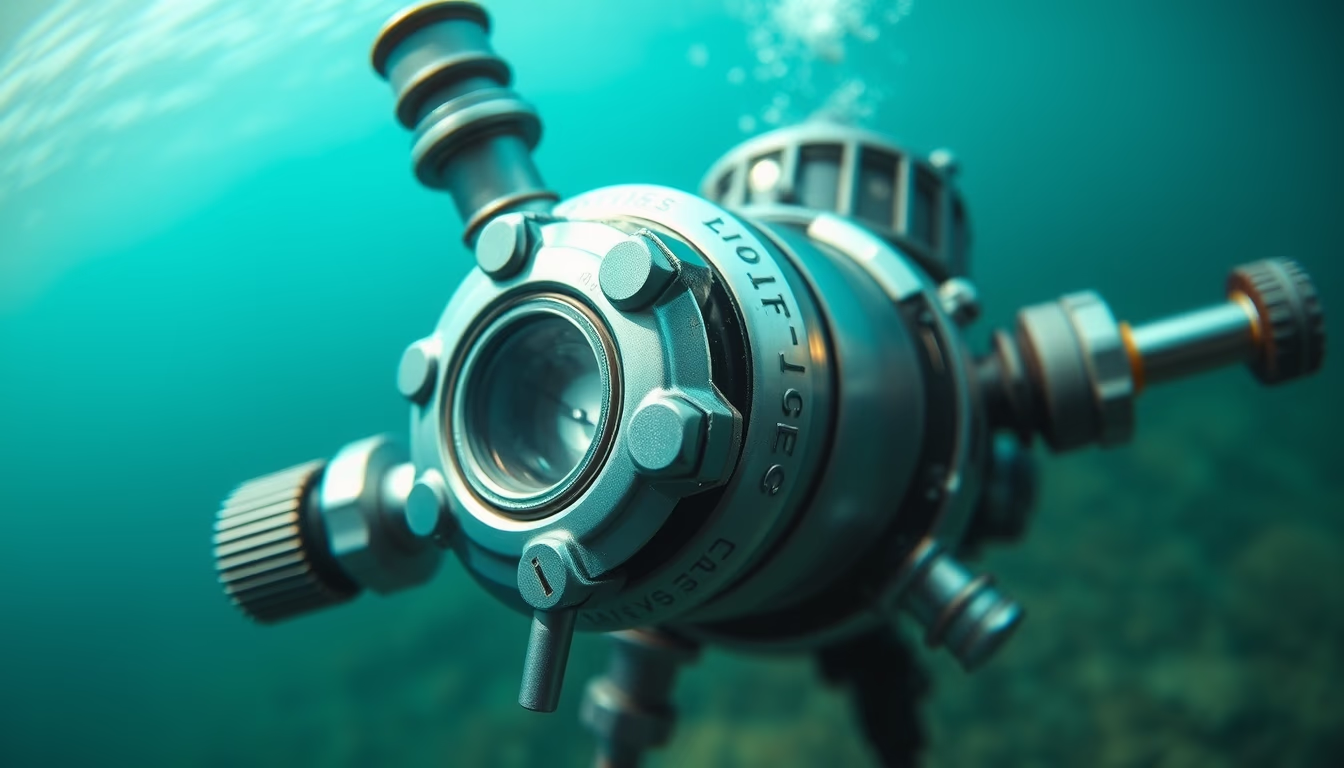
Diving regulator detail
1344×768 · AVIF · CC BY 4.0
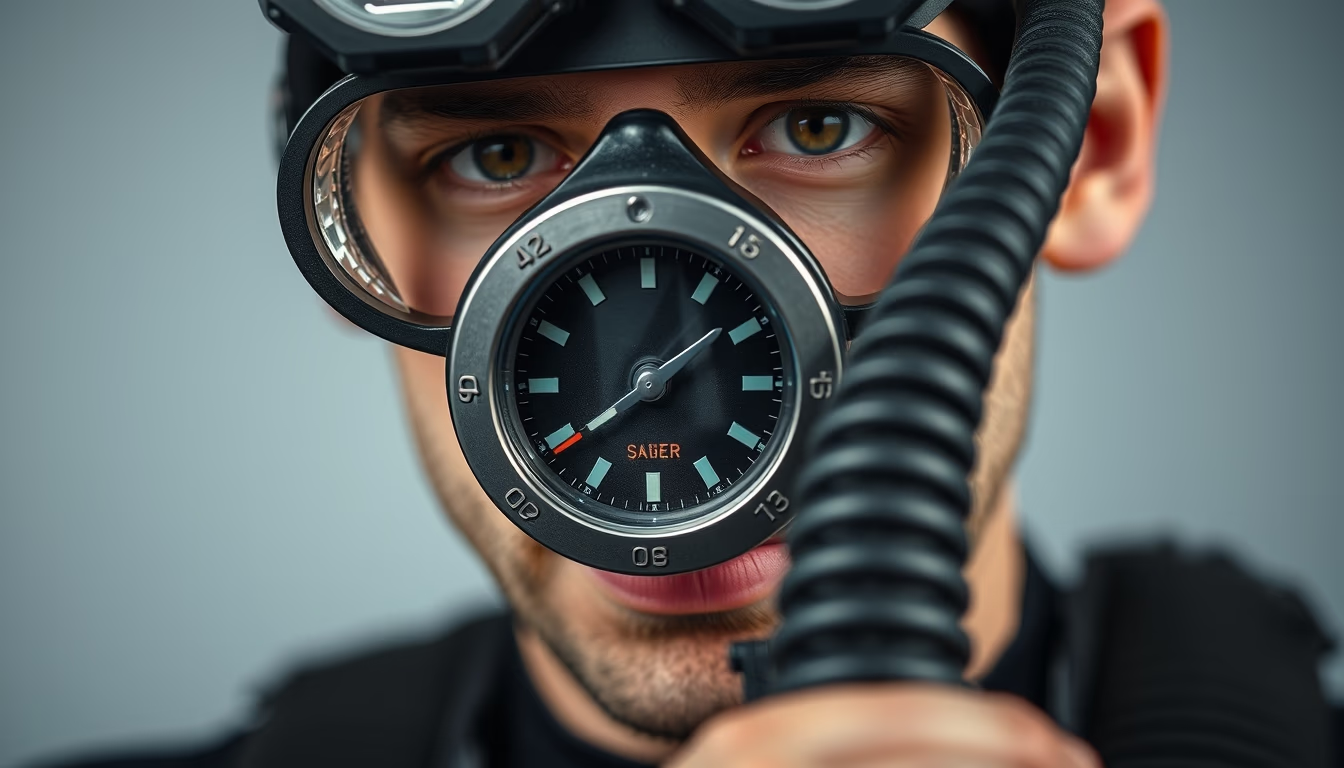
Technical detail of a diving regulator, an essential equipment for underwater breathing at various depths.
About this subject
The diving regulator is a device that reduces the pressure of compressed air from the cylinder to ambient pressure, allowing the diver to breathe comfortably underwater. Invented by Jacques-Yves Cousteau and Émile Gagnan in 1943, the first demand regulator, known as the Aqua-Lung, revolutionized autonomous diving. Since then, regulators have evolved in terms of materials and engineering, with modern models using lightweight metals such as titanium and advanced polymers to resist corrosion and thermal shock.
There are two main stages in the operation of a regulator. The first stage connects to the cylinder and reduces high-pressure air (about 200-300 bar) to an intermediate pressure (about 8-10 bar above ambient). The second stage, located at the diver's mouth, further reduces this pressure to ambient level, releasing air only when the diver inhales. This demand mechanism distinguishes the regulator from a continuous flow, saving gas and extending dive time.
In Brazil, diving is practiced in locations such as Fernando de Noronha, Abrolhos, and the Paraty region, where visibility and biodiversity attract divers from around the world. Regular regulator maintenance is crucial, and should be performed by certified technicians annually or after 100 dives, to ensure safety and performance. Working pressure, number of low-pressure ports, and housing material are factors influencing the choice of regulator for different types of diving, such as recreational, technical, or professional.
Interestingly, in cold waters, regulators can freeze due to air expansion, leading to the development of sealed environmental regulators and anti-freeze systems. Technical divers often use twin regulator setups for redundancy in case of failure. Regulator reliability is a cornerstone of diving safety, with rigorous testing by organizations such as EN 250 in Europe or ANSI/CGA in the United States.
Frequently Asked Questions
How does a diving regulator work?
The regulator reduces cylinder air pressure in two stages: the first stage lowers high pressure to intermediate, and the second stage, at the diver's mouth, releases air only on inhalation, adjusting to ambient pressure.
What maintenance is required for a diving regulator?
It should be serviced annually or every 100 dives by a certified technician, including cleaning, o-ring replacement, and performance testing to ensure safety.
What causes regulator freezing and how to prevent it?
Freezing occurs in cold waters due to adiabatic air expansion. Sealed environmental regulators or anti-freeze systems and careful diving in cold water help prevent it.
Direct URL
https://pub-c7d6a6ea828543ac903a74a341ccb2e1.r2.dev/imagens/diving-regulator-detail-studio-editorial-portrait-fresh3.avifHow to credit
Include a visible link back to UtilizAí. Copy one of the snippets below:
<a href="https://xn--utiliza-eza.com/en/midia/imagens/diving-regulator-detail-studio-editorial-portrait-fresh3">Diving regulator detail</a> by <a href="https://xn--utiliza-eza.com">UtilizAí</a>, licensed under <a href="https://creativecommons.org/licenses/by/4.0/">CC BY 4.0</a>.
[Diving regulator detail](https://xn--utiliza-eza.com/en/midia/imagens/diving-regulator-detail-studio-editorial-portrait-fresh3) by [UtilizAí](https://xn--utiliza-eza.com), CC BY 4.0
License: CC-BY-4.0