Diving regulator detail
1344×768 · AVIF · CC BY 4.0
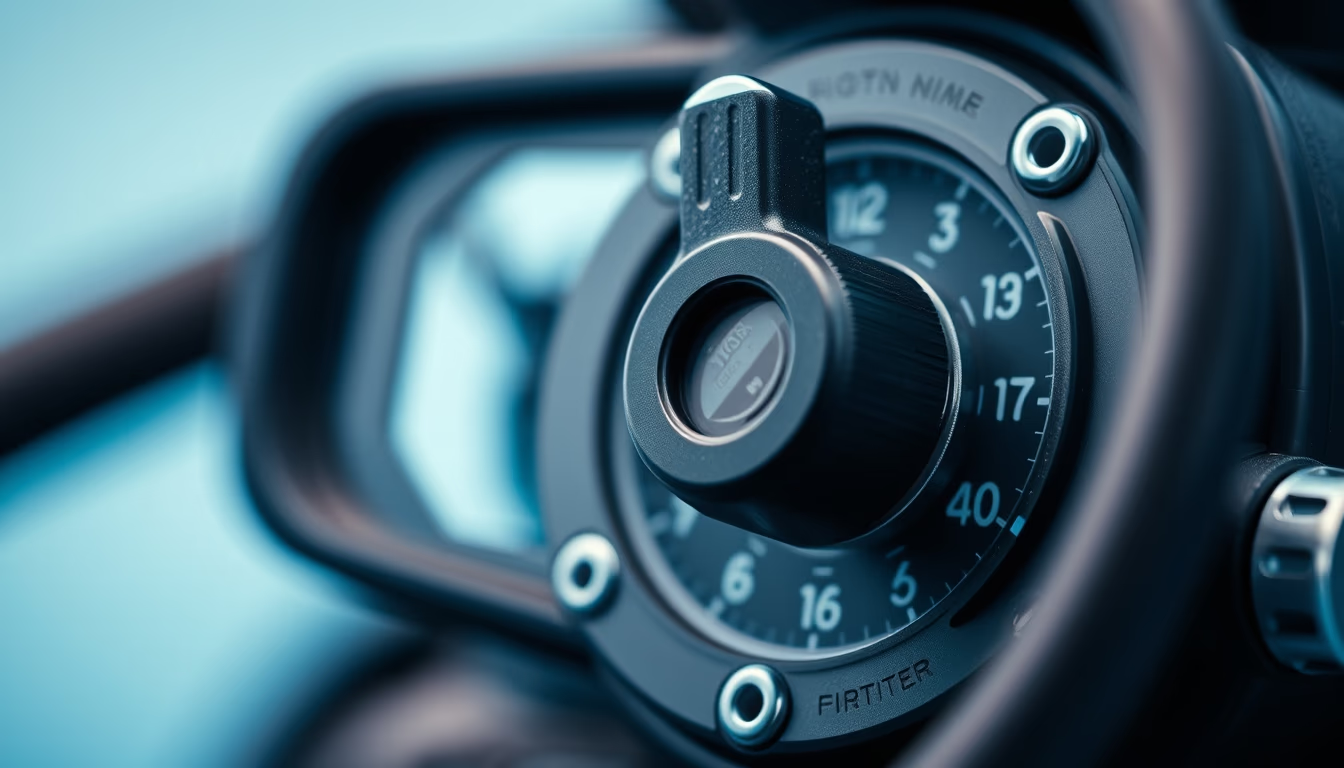
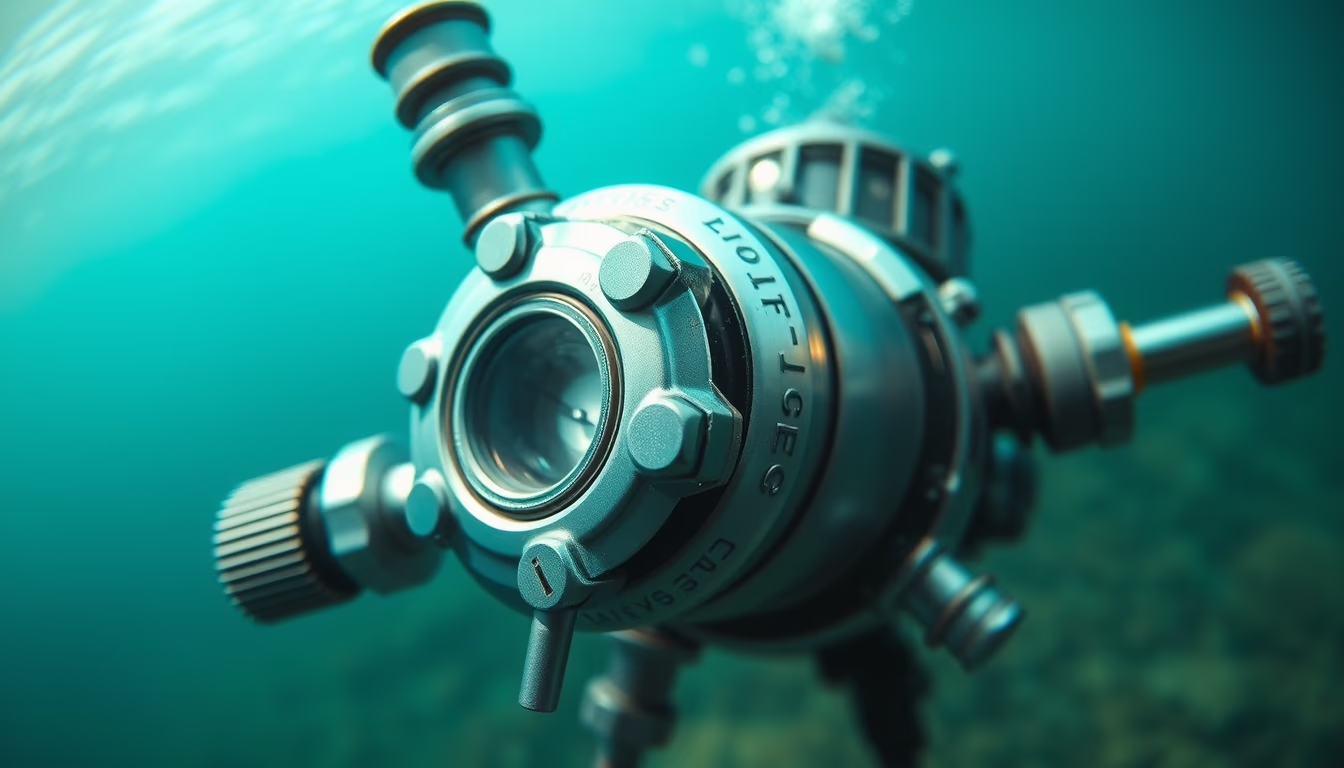
The diving regulator is essential scuba gear that reduces high-pressure air from the tank to ambient pressure, enabling underwater breathing.
About this subject
The diving regulator is a critical device in the underwater breathing system. It connects to the compressed air cylinder and reduces the pressure from approximately 200 bar to ambient pressure, allowing the diver to inhale comfortably. The equipment consists of two main stages. The first stage, attached to the cylinder valve, reduces the pressure to an intermediate pressure, usually between 8 and 10 bar above ambient. The second stage, which the diver places in their mouth, further reduces this pressure to exactly match the surrounding water pressure, releasing air only when the diver inhales.
Different types of regulators exist, primarily classified by the first stage design. Piston models are robust and reliable, while diaphragm models offer better performance in cold water because they are less prone to freezing. Modern regulators often include high-pressure and low-pressure ports for accessories such as pressure gauges and dive computers. Choosing the right regulator depends on the type of diving: recreational, technical, or cold water.
Safety directly depends on proper regulator maintenance. It should be inspected annually by a certified technician and stored away from direct sunlight and contaminants. Rinsing with fresh water after each dive is essential to remove salt and sand residues. Valves and O-rings require periodic replacement to prevent failures. A well-maintained regulator can last for decades without compromising performance.
Interestingly, the principle of the diving regulator was patented in 1866 by Benoît Rouquayrol and Auguste Denayrouze, long before the development of modern scuba. Today, brands like Apeks, Scubapro, and Mares are market leaders, offering models that combine ergonomics and durability. The regulator is undoubtedly the piece of equipment that connects the diver to their life source underwater.
Frequently Asked Questions
How does a diving regulator work?
The regulator reduces cylinder air pressure in two stages. The first stage lowers it to an intermediate pressure, and the second stage adjusts it to ambient pressure, releasing air only when inhaling.
What are the types of diving regulators?
Main types are piston and diaphragm. Piston models are simpler and robust; diaphragm perform better in cold water. There are also technical diving regulators with multiple outlets.
How to maintain a diving regulator?
Rinse with fresh water after each dive, dry in shade, and have it serviced annually by a certified technician. Seals and valves need periodic replacement.
Direct URL
https://pub-c7d6a6ea828543ac903a74a341ccb2e1.r2.dev/imagens/diving-regulator-detail-macro-closeup-fresh5.avifHow to credit
Include a visible link back to UtilizAí. Copy one of the snippets below:
<a href="https://xn--utiliza-eza.com/en/midia/imagens/diving-regulator-detail-macro-closeup-fresh5">Diving regulator detail</a> by <a href="https://xn--utiliza-eza.com">UtilizAí</a>, licensed under <a href="https://creativecommons.org/licenses/by/4.0/">CC BY 4.0</a>.
[Diving regulator detail](https://xn--utiliza-eza.com/en/midia/imagens/diving-regulator-detail-macro-closeup-fresh5) by [UtilizAí](https://xn--utiliza-eza.com), CC BY 4.0
License: CC-BY-4.0