Diving regulator detail
1344×768 · AVIF · CC BY 4.0
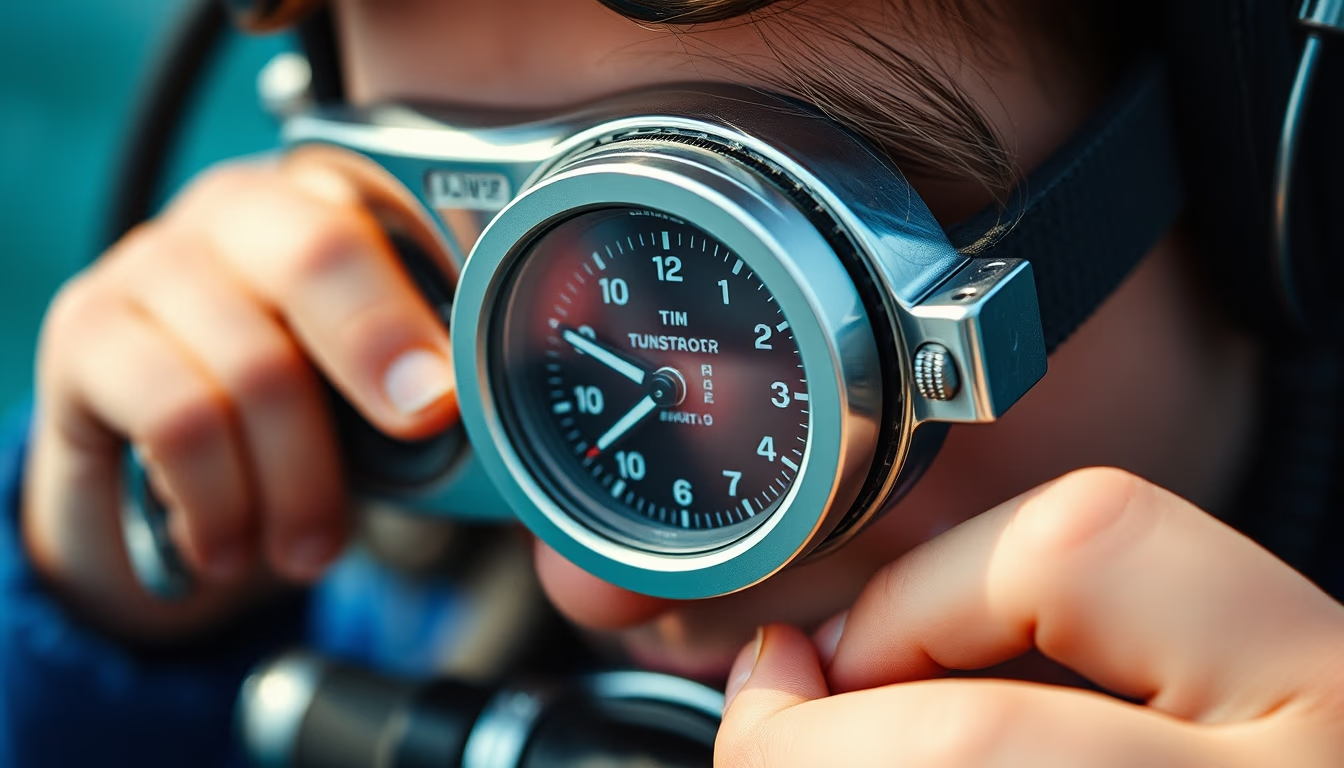
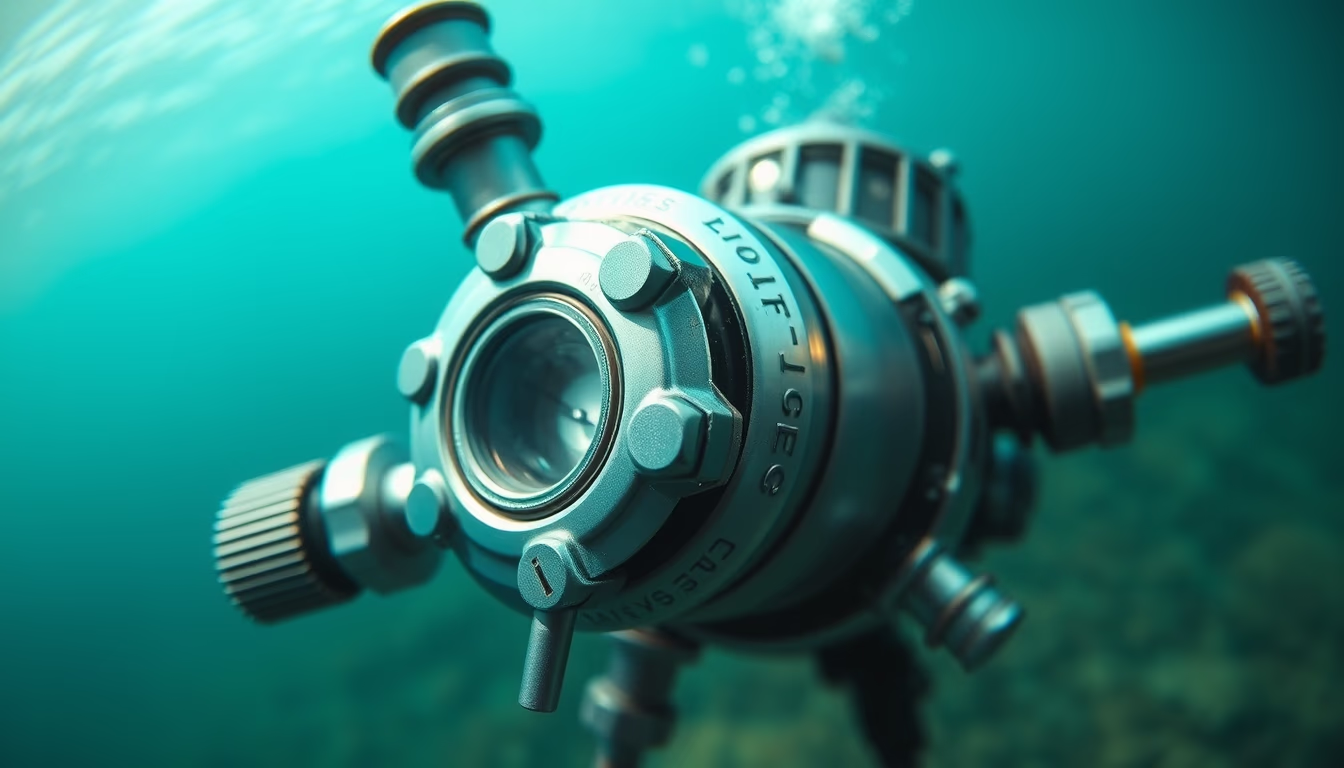
Close-up of a diving regulator, an essential device that converts high-pressure air from a tank to breathable air at ambient pressure underwater.
About this subject
The diving regulator is the most critical piece of equipment for diver safety, responsible for reducing the high pressure of compressed air (typically 200 to 300 bar) to ambient pressure, allowing natural breathing at depths up to 40 meters or more in recreational diving. Invented by Émile Gagnan and Jacques Cousteau in 1943, the first demand regulator, known as the Aqualung, revolutionized underwater exploration by delivering air automatically upon the diver's inhalation.
The image detail shows the second stage of the regulator, which includes the silicone mouthpiece, exhalation valve, and pressure-sensitive diaphragm. When the diver inhales, the diaphragm moves, opening a valve that releases air from the first stage (connected to the cylinder) into the low-pressure hose. Materials such as chrome-plated brass, stainless steel, and polymers are used to resist saltwater corrosion and ensure durability.
Preventive maintenance is vital: regulators must be serviced annually by certified technicians, with replacement of O-rings and specific lubrication to avoid failures. Interestingly, modern regulators may feature breathing adjustments to optimize airflow at different depths, and high-performance models use balanced flow designs to reduce inhalation effort. The regulator's history also includes military and technical versions, such as those for saturation diving at great depths, which use special gas mixtures.
Beyond recreational use, regulators are employed in rescue operations, underwater maintenance, and scientific exploration. Safety depends on routine inspections and proper storage, away from direct sunlight and chemicals. For beginner divers, understanding how the regulator works is the first step toward safe and confident practice.
Frequently Asked Questions
How often should I service my diving regulator?
It is recommended to have it serviced annually by a certified technician, even if not used. Maintenance includes cleaning, O-ring replacement, and lubrication to ensure safe operation.
What is the difference between a first stage and a second stage regulator?
The first stage attaches to the tank and reduces pressure to an intermediate level (about 10 bar above ambient pressure). The second stage, held in the diver's mouth, further reduces pressure to ambient and delivers air only during inhalation.
Can I use any regulator in saltwater?
Regulators designed for diving are made with corrosion-resistant materials like chrome-plated brass and stainless steel. However, it is crucial to rinse the equipment with fresh water after each saltwater dive to prolong its lifespan.
Direct URL
https://pub-c7d6a6ea828543ac903a74a341ccb2e1.r2.dev/imagens/diving-regulator-detail-film-grain-authentic-fresh13.avifHow to credit
Include a visible link back to UtilizAí. Copy one of the snippets below:
<a href="https://xn--utiliza-eza.com/en/midia/imagens/diving-regulator-detail-film-grain-authentic-fresh13">Diving regulator detail</a> by <a href="https://xn--utiliza-eza.com">UtilizAí</a>, licensed under <a href="https://creativecommons.org/licenses/by/4.0/">CC BY 4.0</a>.
[Diving regulator detail](https://xn--utiliza-eza.com/en/midia/imagens/diving-regulator-detail-film-grain-authentic-fresh13) by [UtilizAí](https://xn--utiliza-eza.com), CC BY 4.0
License: CC-BY-4.0