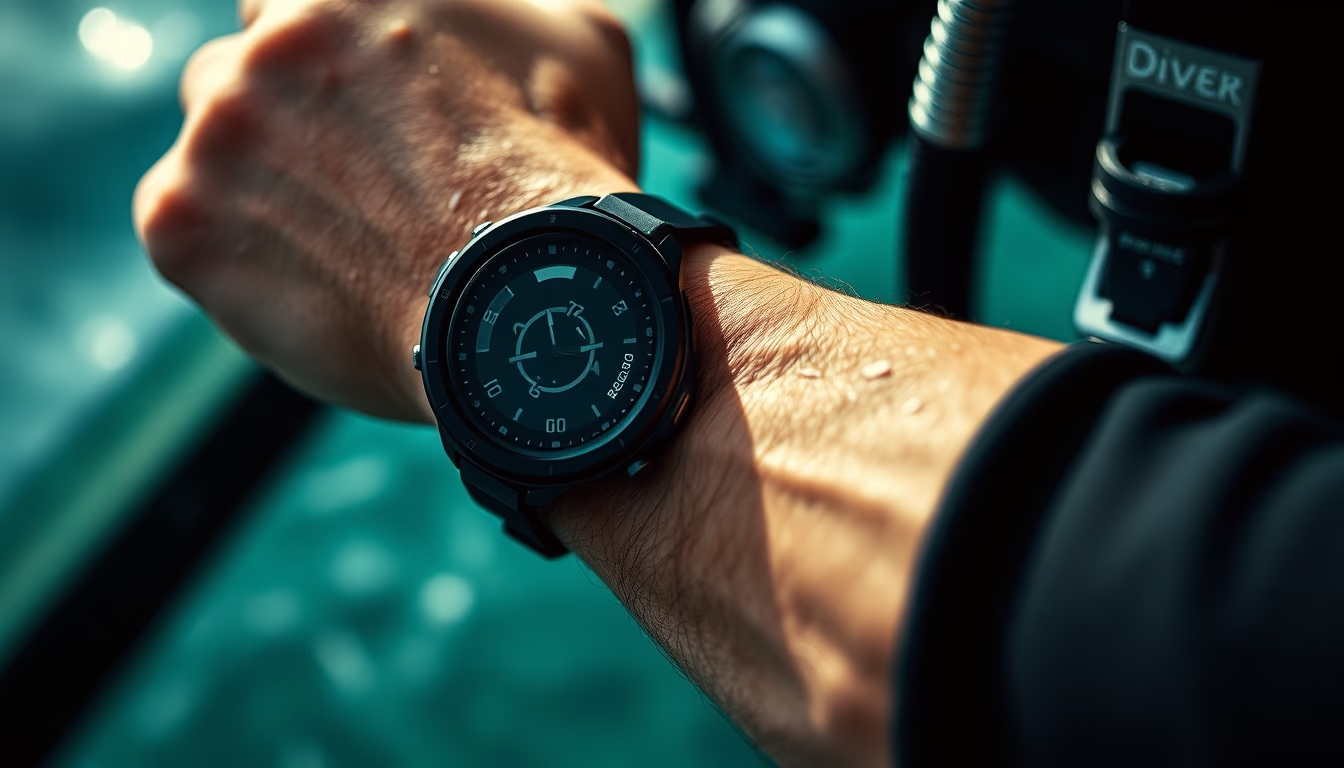
Dive computer wrist
1344×768 · AVIF · CC BY 4.0
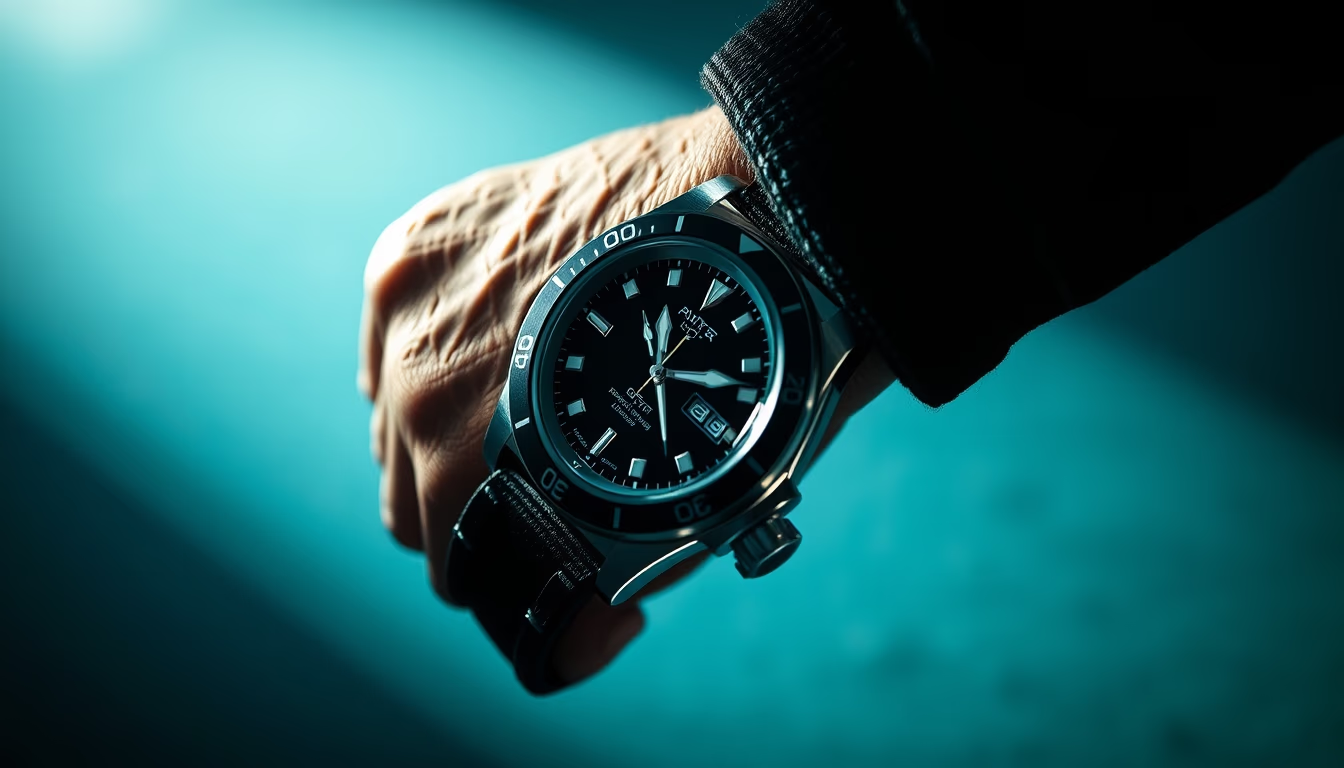
Wrist dive computer: essential tool for safety and planning in recreational and technical diving.
About this subject
A wrist dive computer is a portable device used by divers to monitor depth, bottom time, ascent rates, and decompression stops. Unlike traditional analog gauges and watches, these digital units calculate real-time nitrogen absorption in body tissues, reducing the risk of decompression sickness. Modern models include temperature sensors, electronic compasses, and Bluetooth connectivity for downloading dive logs.
The invention of the dive computer dates back to the 1950s, when physiologist Robert Workman developed the first computer-based decompression tables. The first commercial model, the Deco-Brain, appeared in 1970, but the Orca Edge (1983) popularized the wrist form factor. Today, brands like Suunto, Garmin, Shearwater, and Oceanic dominate the market, offering devices for recreational (single-gas algorithms) and technical (mixed gases, oxygen, and heliox) profiles.
In Brazil, dive computers are mandatory for dives exceeding 18 meters in depth or repetitive dives at many operators. The Brazilian coastline, with destinations like Fernando de Noronha and Abrolhos, requires careful planning due to currents and temperature variations. The equipment safely extends bottom time by automatically adjusting limits based on the dive profile.
A notable curiosity is that modern wrist computers integrate heart rate sensors and GPS, enabling detailed post-dive analysis. The most widely used decompression algorithm today is Bühlmann, which models 16 hypothetical tissues. Experienced divers often configure their computers with additional safety factors, such as gradient adjustment, to increase the safety margin.
Frequently Asked Questions
How does a wrist dive computer calculate decompression?
It uses algorithms like Bühlmann, simulating nitrogen absorption and elimination in 16 hypothetical tissues. Based on depth and time, it calculates no-decompression limits and required stops.
What is the difference between a recreational and a technical dive computer?
Recreational models handle air or simple nitrox, while technical models allow multiple gases (trimix, heliox) and modes such as CCR (rebreather) and stage diving.
Is a dive computer mandatory in Brazil?
Not by federal law, but most operators require one for dives below 18 m or repetitive dives, following international safety standards such as PADI.
Direct URL
https://pub-c7d6a6ea828543ac903a74a341ccb2e1.r2.dev/imagens/dive-computer-wrist-fine-art-photography-fresh4.avifHow to credit
Include a visible link back to UtilizAí. Copy one of the snippets below:
<a href="https://xn--utiliza-eza.com/en/midia/imagens/dive-computer-wrist-fine-art-photography-fresh4">Dive computer wrist</a> by <a href="https://xn--utiliza-eza.com">UtilizAí</a>, licensed under <a href="https://creativecommons.org/licenses/by/4.0/">CC BY 4.0</a>.
[Dive computer wrist](https://xn--utiliza-eza.com/en/midia/imagens/dive-computer-wrist-fine-art-photography-fresh4) by [UtilizAí](https://xn--utiliza-eza.com), CC BY 4.0
License: CC-BY-4.0