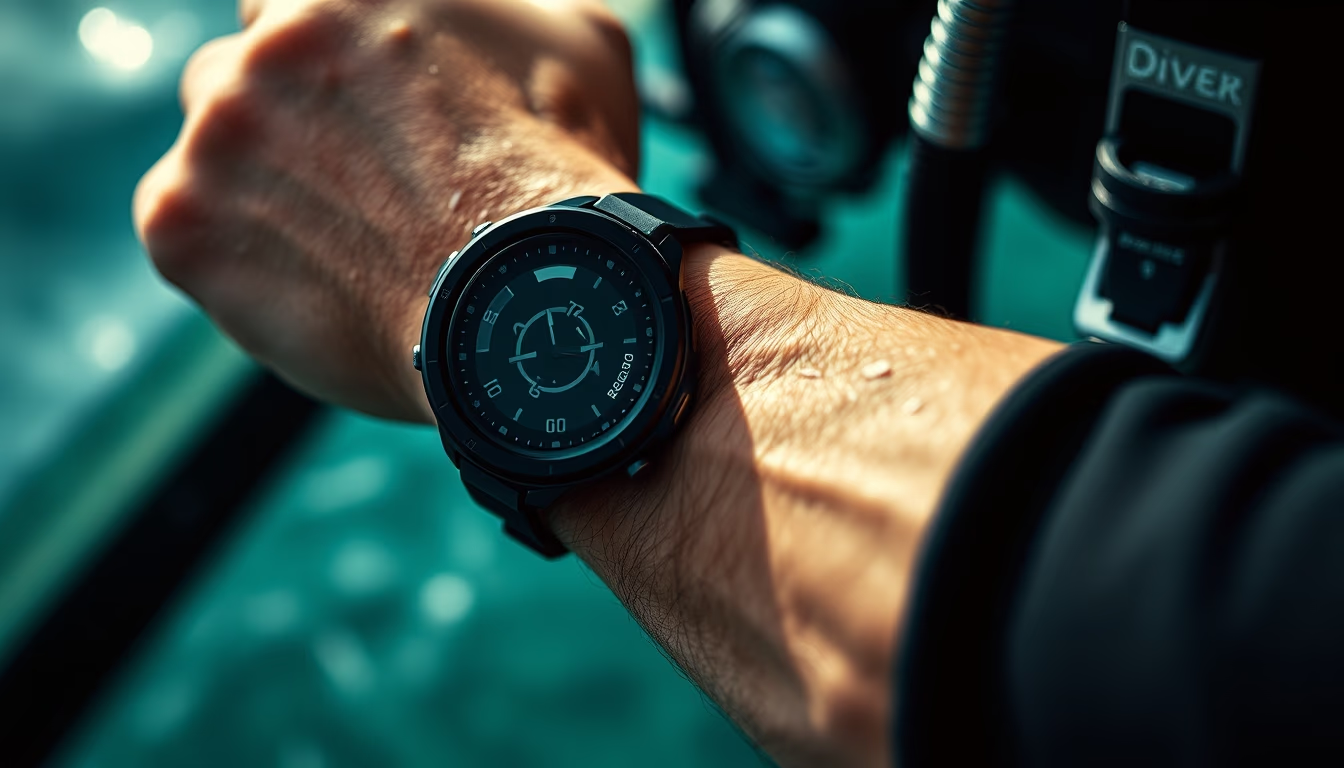
Dive computer wrist
1344×768 · AVIF · CC BY 4.0
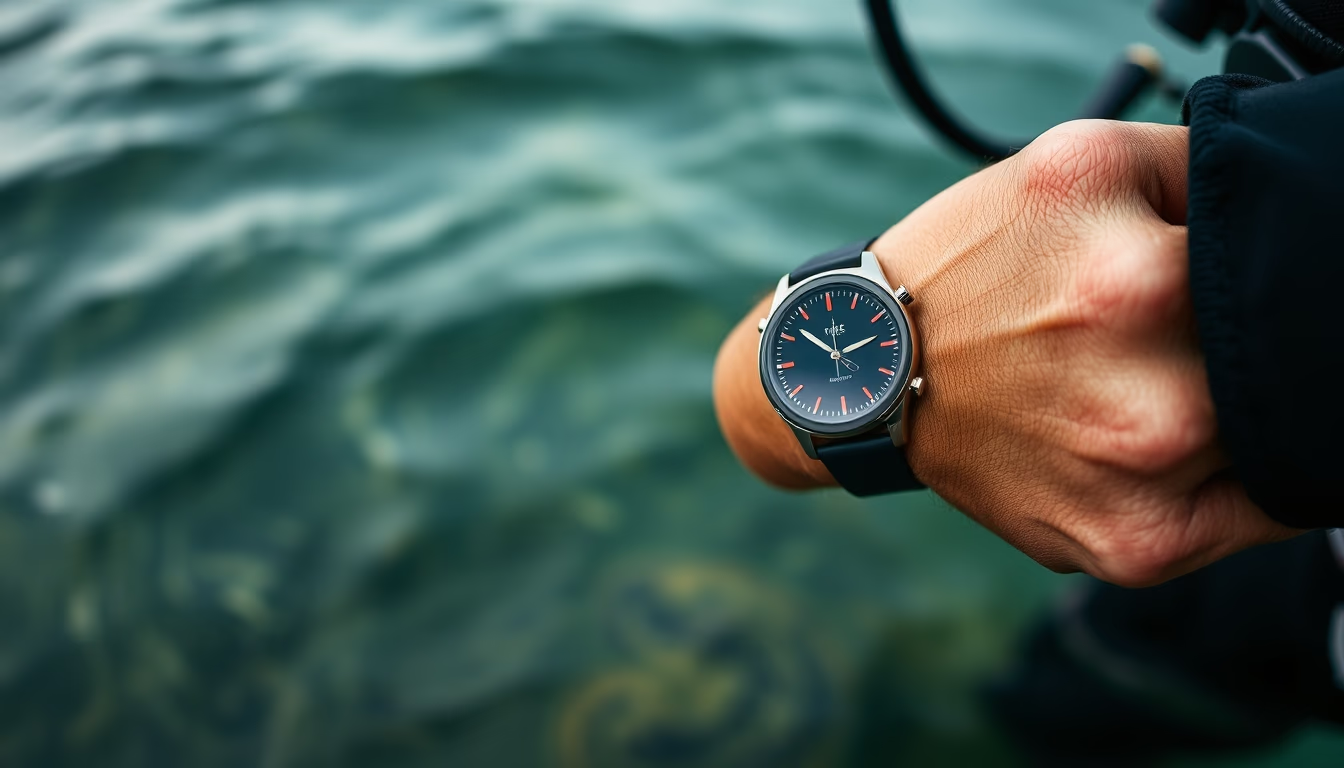
Dive computers are essential devices in modern scuba diving, tracking depth, time, and decompression to ensure diver safety.
About this subject
Dive computers have replaced traditional dive tables by calculating in real time the absorption and elimination of nitrogen in the diver's body. Equipped with pressure sensors and decompression algorithms (such as Bühlmann ZH-L16), they provide critical data like maximum depth, bottom time, ascent rate, and mandatory decompression stops. Modern models also integrate gas mixtures (nitrox, trimix) and wireless communication with tanks for air pressure monitoring.
In Brazil, dive computers are common in dive destinations like Fernando de Noronha, Abrolhos, and Ilha Grande. Brands like Suunto, Shearwater, and Garmin dominate the market, offering models from basic to advanced with GPS and technical dive modes. The accuracy of these devices drastically reduces the risk of decompression sickness, especially in repetitive or complex profile dives.
Historically, the first dive computers appeared in the 1980s with the Deco-Brain, evolving into today's multifunctional wristwatch-style devices. The main advantage over tables is individual adaptation: the computer calculates nitrogen saturation based on the actual dive profile, not averages. Features like excessive ascent speed alert and mandatory safety stop increase safety. However, it is essential that the diver understands the equipment's limitations and performs periodic maintenance, such as battery replacement and sensor calibration.
Frequently Asked Questions
What is the difference between a dive computer and a regular diving watch?
A dive computer is specifically designed for scuba diving, with decompression algorithms that calculate nitrogen saturation. A regular diving watch only shows depth and time without monitoring decompression or safety limits.
Is it mandatory to use a dive computer for recreational diving?
It is not legally mandatory, but it is highly recommended for safety. Many dive operators require one for deeper or repetitive dives, and most experienced divers use one.
How to choose the best dive computer for beginners?
For beginners, a wrist model with an easy-to-read display, recreational dive mode (no mandatory stops), and long battery life is recommended. Brands like Suunto Zoop or Cressi Leonardo are good options. Also consider menu navigation ease and user-replaceable battery.
Direct URL
https://pub-c7d6a6ea828543ac903a74a341ccb2e1.r2.dev/imagens/dive-computer-wrist-documentary-nature-style-fresh7.avifHow to credit
Include a visible link back to UtilizAí. Copy one of the snippets below:
<a href="https://xn--utiliza-eza.com/en/midia/imagens/dive-computer-wrist-documentary-nature-style-fresh7">Dive computer wrist</a> by <a href="https://xn--utiliza-eza.com">UtilizAí</a>, licensed under <a href="https://creativecommons.org/licenses/by/4.0/">CC BY 4.0</a>.
[Dive computer wrist](https://xn--utiliza-eza.com/en/midia/imagens/dive-computer-wrist-documentary-nature-style-fresh7) by [UtilizAí](https://xn--utiliza-eza.com), CC BY 4.0
License: CC-BY-4.0