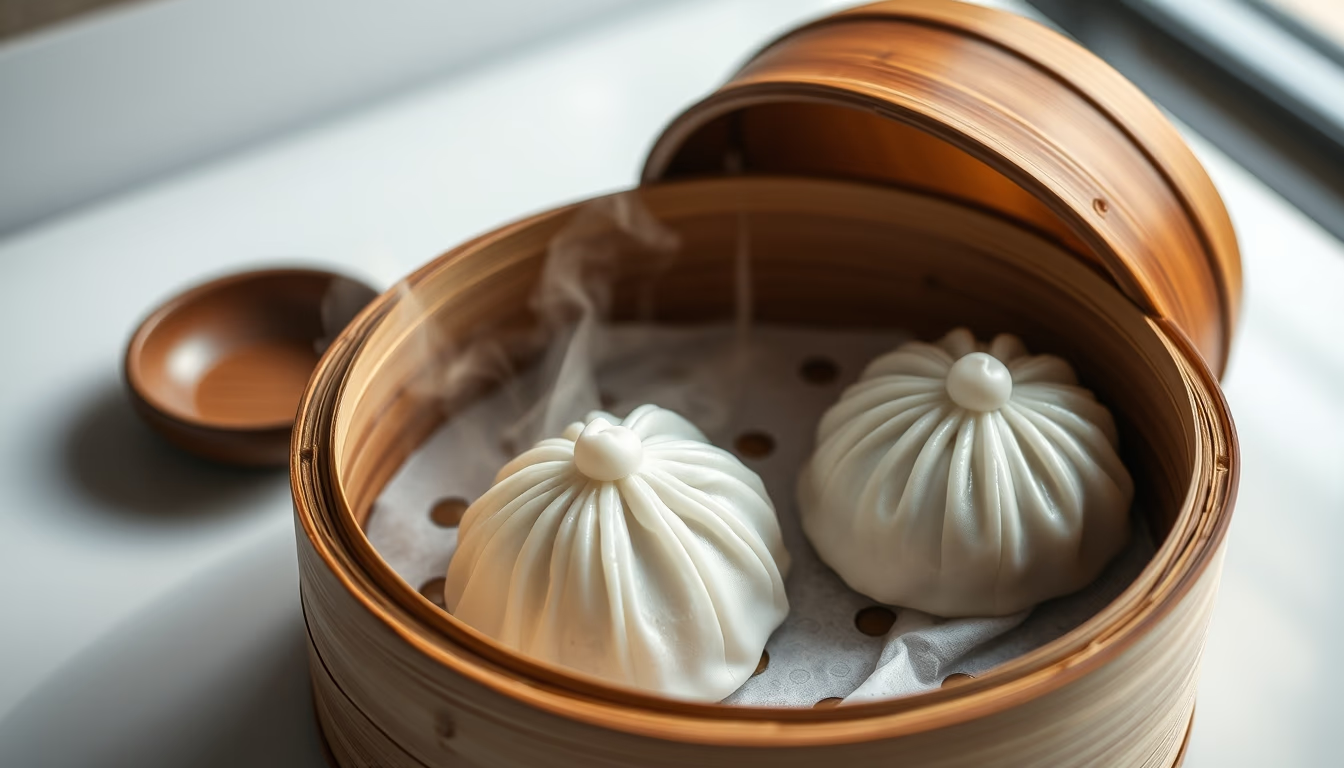
Dim sum bamboo steamer
1344×768 · AVIF · CC BY 4.0
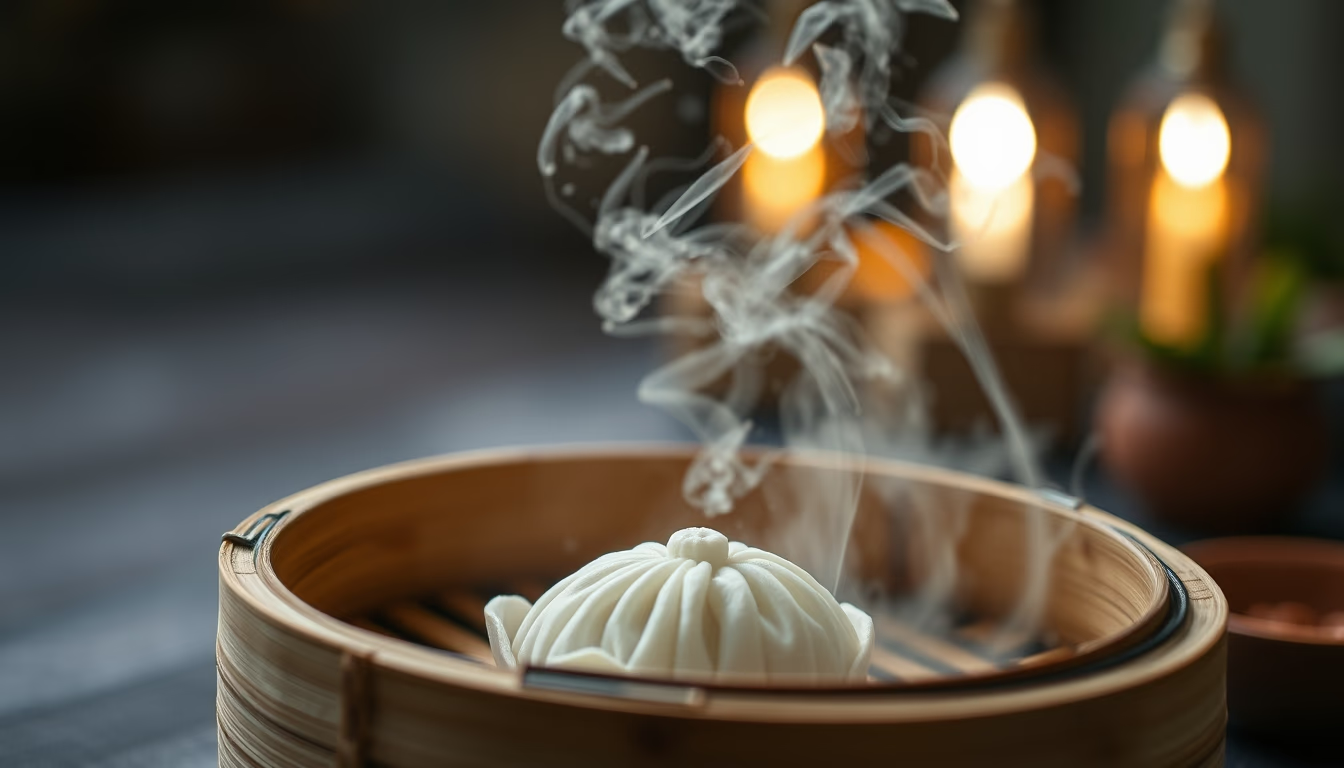
The bamboo steamer for dim sum is an essential utensil in Cantonese cuisine, used for centuries to steam small portions of food.
About this subject
Dim sum is a culinary tradition originating from the Canton region in southern China, served in small portions accompanied by tea. The bamboo steamers, known as "zhēng lóng" in Mandarin, are at the heart of this gastronomic ritual. Handcrafted from interwoven bamboo strips, these baskets allow steam to circulate evenly, cooking the food delicately. The controlled moisture preserves the tender texture of fillings and the lightness of doughs, characteristic of dishes such as har gow (shrimp dumplings) and siu mai (pork dumplings).
Bamboo is not chosen arbitrarily. This material is heat-resistant, lightweight, and absorbs excess moisture, preventing the food from becoming soggy. Moreover, bamboo imparts a subtle, earthy aroma to the dishes, becoming part of the sensory experience of dim sum. Traditionally, the baskets are stacked in layers over a wok of boiling water, and cooking takes only a few minutes. Each layer can hold different types of dim sum, allowing the cook to prepare multiple varieties simultaneously.
The history of dim sum dates back to the Song dynasty (960-1279 AD), when tea houses began offering small meals to travelers along the Silk Road. Over time, this practice evolved into yum cha ("drink tea"), a social tradition where families and friends gather to savor dim sum with tea. Today, dim sum is enjoyed globally, and bamboo steamers have become iconic symbols of Chinese cuisine. In many restaurants, waiters push carts stacked with steaming baskets, offering a variety ranging from spring rolls to desserts like mango pudding.
Interestingly, the bamboo used to make the steamers is harvested during the dry season when the fibers are strongest. After cutting, the bamboo is treated to prevent pests and then shaped into rings and lids. This traditional craftsmanship is threatened by mass production of aluminum or stainless steel steamers, which are more durable but lack the same flavor and tradition. Many chefs advocate for bamboo not only for authenticity but also for sustainability, as bamboo is a renewable and biodegradable plant.
Frequently Asked Questions
How to clean a bamboo dim sum steamer?
Wash the steamer with warm water and a soft brush, without soap, to remove residues. Let it dry completely in open air before storing. Avoid soaking for too long to prevent the bamboo from deforming.
Can a bamboo steamer be used in the microwave?
It is not recommended, as the bamboo may dry out or catch fire. The traditional method is steaming over boiling water, which maintains ideal moisture.
What's the difference between bamboo and metal dim sum steamers?
Bamboo steamers absorb excess moisture and impart a subtle aroma to the food, while metal conducts heat faster and is more durable, but does not convey the same traditional flavor.
Direct URL
https://pub-c7d6a6ea828543ac903a74a341ccb2e1.r2.dev/imagens/dim-sum-bamboo-steamer-tilt-shift-miniature-fresh10.avifHow to credit
Include a visible link back to UtilizAí. Copy one of the snippets below:
<a href="https://xn--utiliza-eza.com/en/midia/imagens/dim-sum-bamboo-steamer-tilt-shift-miniature-fresh10">Dim sum bamboo steamer</a> by <a href="https://xn--utiliza-eza.com">UtilizAí</a>, licensed under <a href="https://creativecommons.org/licenses/by/4.0/">CC BY 4.0</a>.
[Dim sum bamboo steamer](https://xn--utiliza-eza.com/en/midia/imagens/dim-sum-bamboo-steamer-tilt-shift-miniature-fresh10) by [UtilizAí](https://xn--utiliza-eza.com), CC BY 4.0
License: CC-BY-4.0