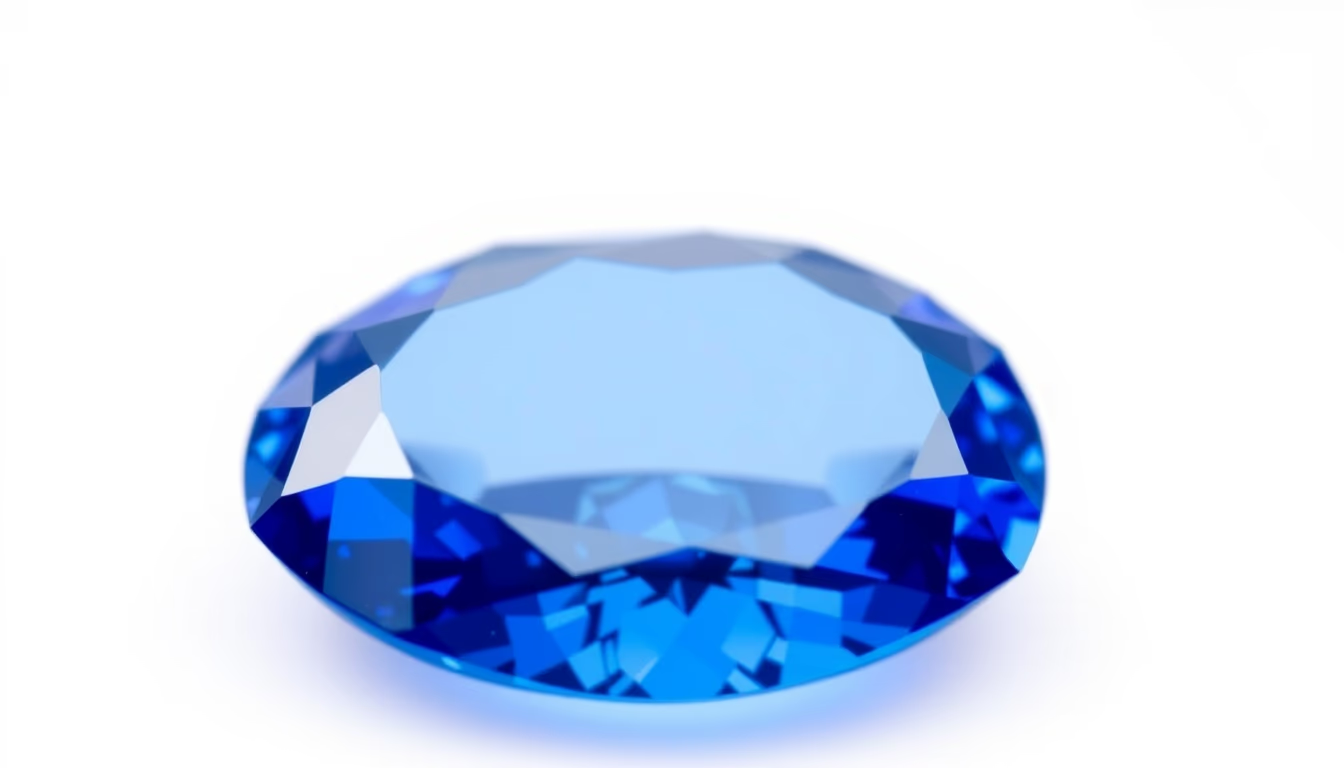
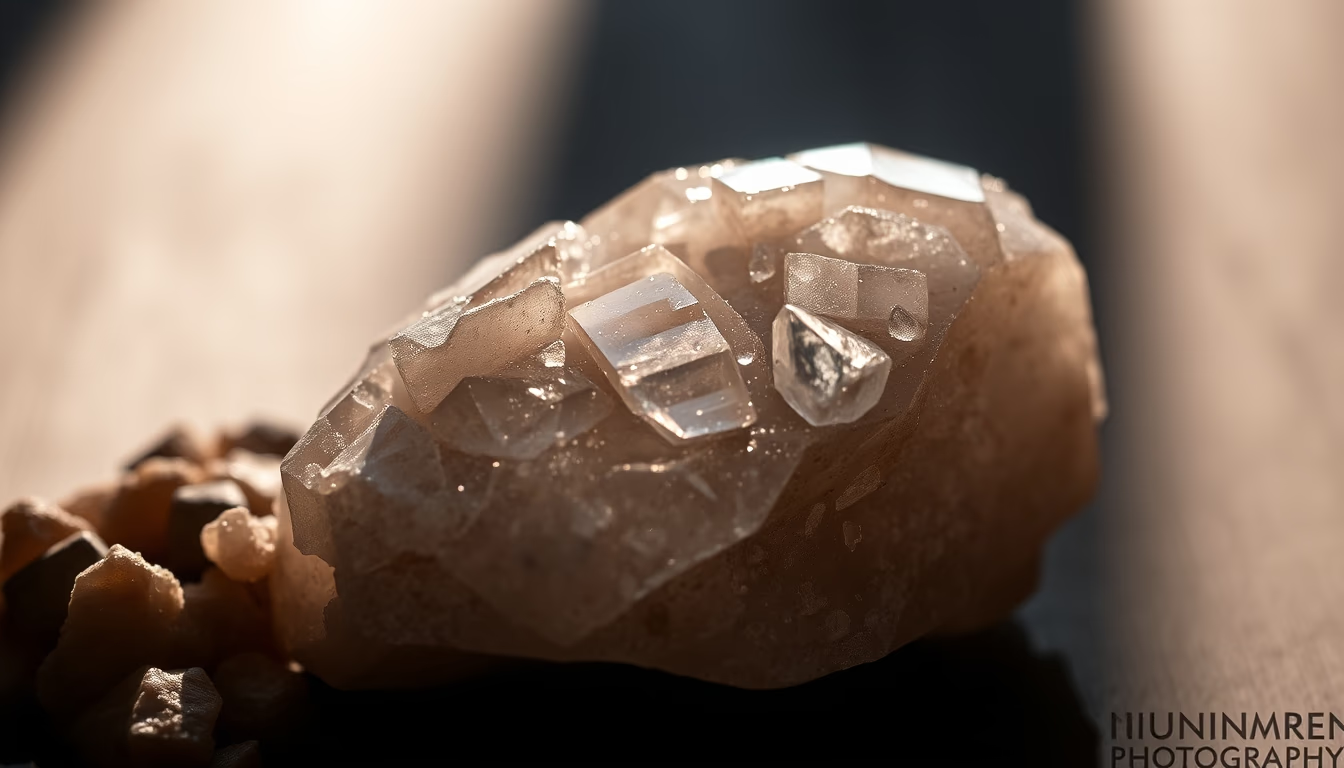
Diamond rough crystal
1344×768 · AVIF · CC BY 4.0
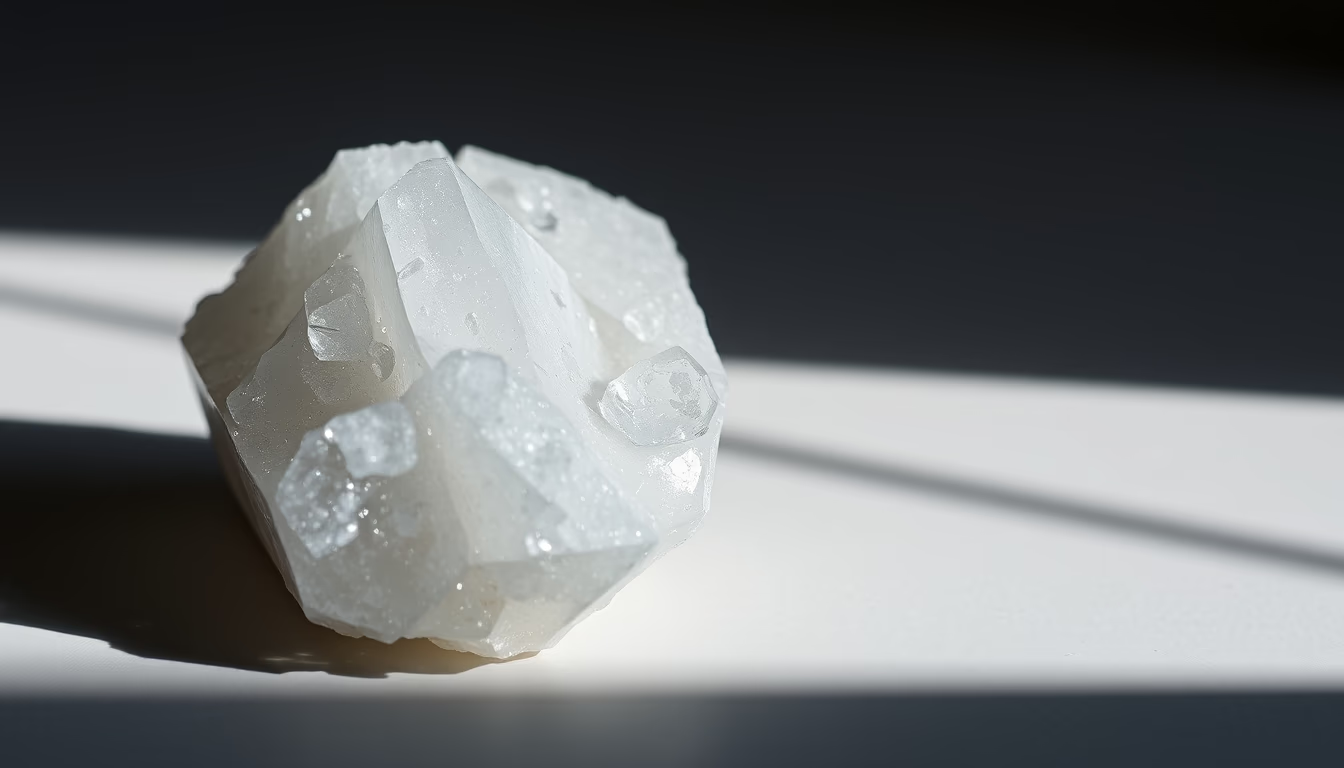
Rough diamond is a pure carbon crystal formed under high pressure and temperature in the Earth's mantle, mined from deposits worldwide.
About this subject
Rough diamond, also called natural diamond, is the crystalline form of carbon that forms 150 to 200 kilometers deep in the Earth's mantle under extreme pressures and temperatures above 1000°C. These unique conditions allow carbon atoms to arrange into a cubic structure, giving diamond the highest hardness on the Mohs scale (10). Diamonds are brought to the surface by kimberlite volcanic eruptions, forming pipes that are the primary mining targets. Major deposits exist in South Africa, Russia, Botswana, Angola, Canada, and Brazil. Brazil was one of the world's first large producers in the 18th century, with discoveries in Minas Gerais, Bahia, and Mato Grosso.
A rough diamond's purity determines its use: high-quality gems are cut into jewelry, while flawed ones go to industrial applications. Thanks to their hardness, diamonds are essential for cutting, drilling, and polishing hard materials like concrete and steel. Industry also uses synthetic diamonds, created in labs, which have identical properties. The cutting process transforms a rough stone into a faceted gem, maximizing its brilliance and fire. The most famous rough diamond is perhaps the Cullinan, discovered in South Africa in 1905, weighing 3,106 carats, later cut into several stones that now adorn the British Crown Jewels.
Beyond economic value, diamonds carry strong cultural symbolism. They are associated with love, purity, and endurance, traditionally used in engagement rings, a campaign popularized by De Beers in the 20th century with the slogan 'Diamond is Forever'. However, diamond mining also raises ethical issues, such as 'conflict diamonds' used to fund wars in Africa. Initiatives like the Kimberley Process seek to certify the legal origin of stones. Today, consumers can choose synthetic diamonds, which offer the same beauty with less environmental and social impact.
Frequently Asked Questions
What is a rough diamond?
A rough diamond is a natural crystal of carbon that has not been cut or polished. It is mined directly and can be used either in jewelry (after cutting) or in industrial applications.
How are diamonds formed?
Diamonds form in the Earth's mantle at depths of 150 to 200 km under pressures of 45 to 60 kilobars and temperatures between 900°C and 1300°C. Volcanic eruptions bring them to the surface in kimberlite pipes.
What are the main uses of rough diamonds?
The main uses are in jewelry (cut gemstones) and industry (cutting, drilling, polishing tools). Synthetic diamonds are also widely used in electronics and heat sinks due to their thermal conductivity.
Direct URL
https://pub-c7d6a6ea828543ac903a74a341ccb2e1.r2.dev/imagens/diamond-rough-crystal-minimalist-composition-p10.avifHow to credit
Include a visible link back to UtilizAí. Copy one of the snippets below:
<a href="https://xn--utiliza-eza.com/en/midia/imagens/diamond-rough-crystal-minimalist-composition-p10">Diamond rough crystal</a> by <a href="https://xn--utiliza-eza.com">UtilizAí</a>, licensed under <a href="https://creativecommons.org/licenses/by/4.0/">CC BY 4.0</a>.
[Diamond rough crystal](https://xn--utiliza-eza.com/en/midia/imagens/diamond-rough-crystal-minimalist-composition-p10) by [UtilizAí](https://xn--utiliza-eza.com), CC BY 4.0
License: CC-BY-4.0