Diamond rough crystal
1344×768 · AVIF · CC BY 4.0
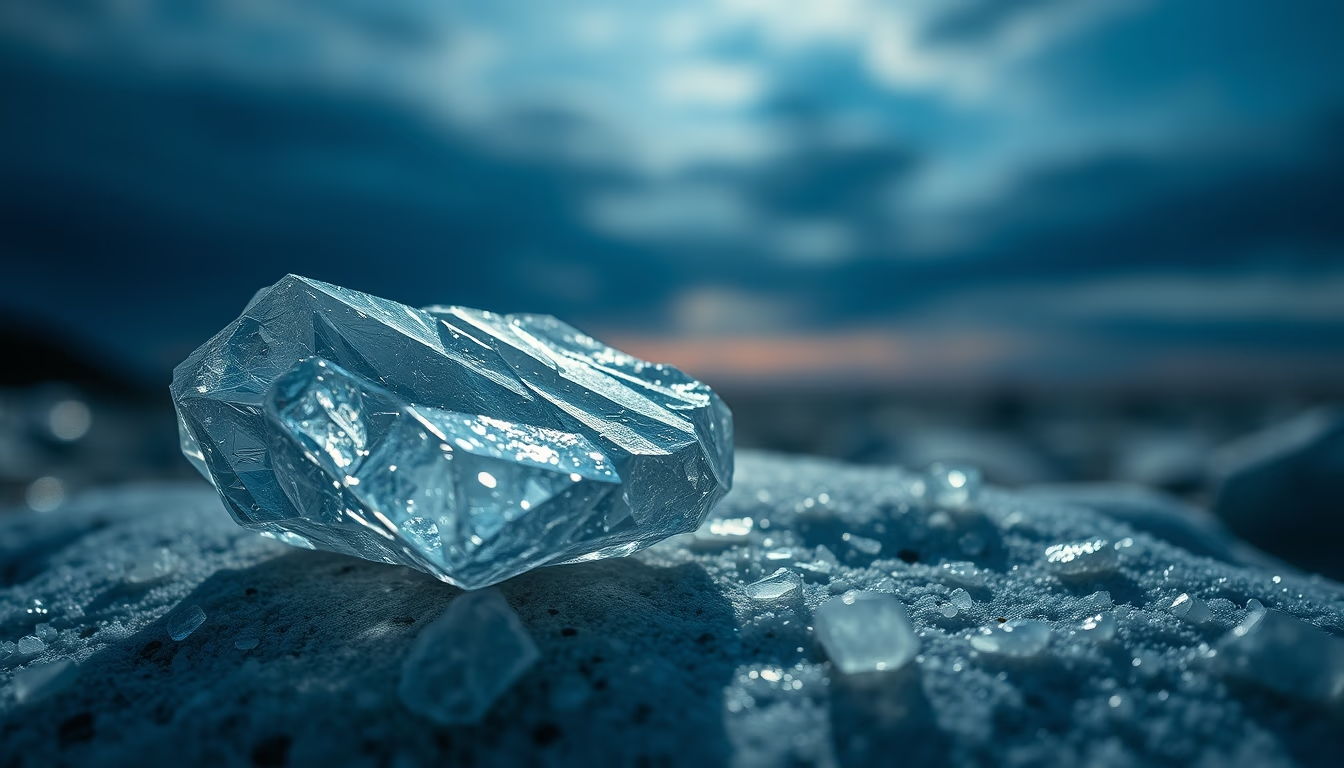
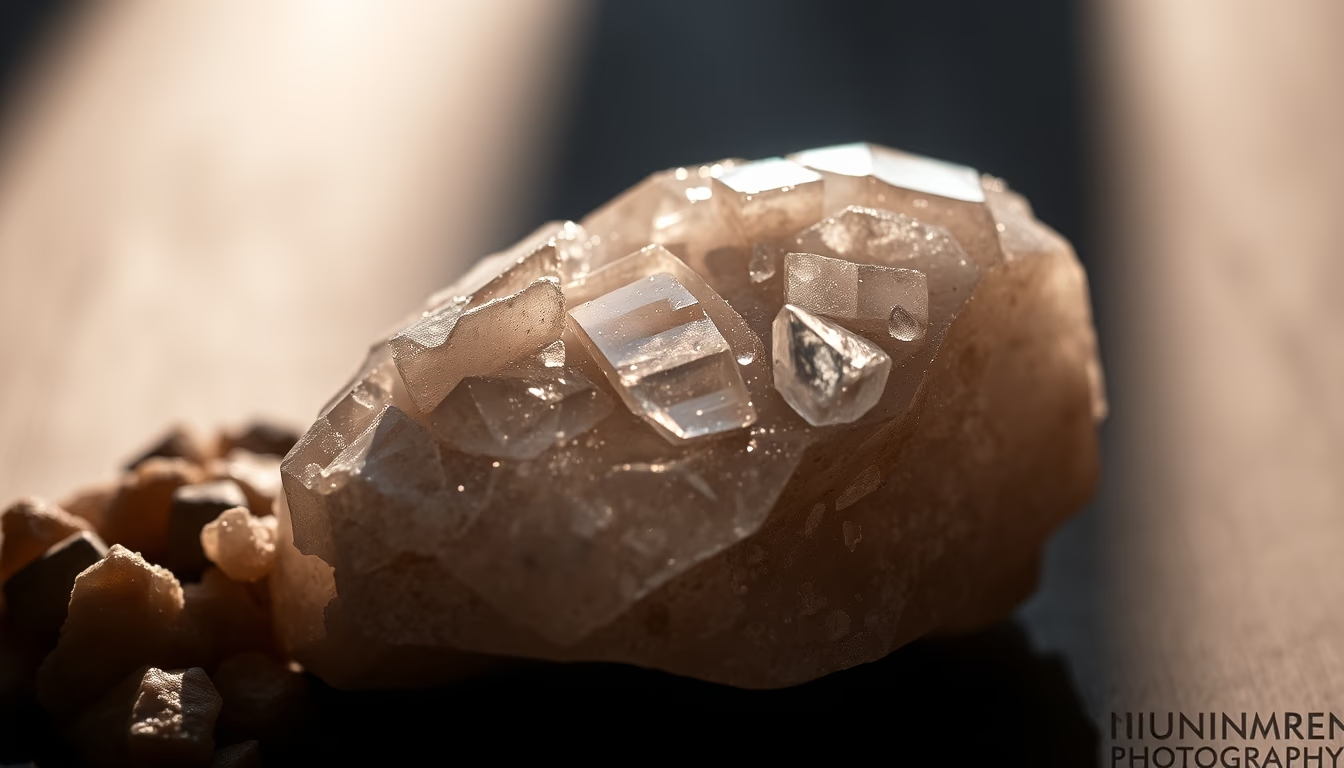
A diamond rough crystal is the natural form of the hardest mineral on Earth, formed under extreme pressure in the Earth's mantle billions of years ago.
About this subject
A diamond rough crystal is a crystalline form of carbon with a cubic structure and the highest hardness of 10 on the Mohs scale. It forms at depths of 150 to 200 kilometers in the Earth's mantle under temperatures above 1000°C and pressures around 5 GPa. This process took 1 to 3 billion years to crystallize pure carbon. The purity and size of the rough crystal determine its future value after cutting and polishing. Carat weight measures mass, with one carat equaling 0.2 grams.
Major deposits of diamond rough are found in Africa, especially Botswana, as well as Russia, Canada, and Australia. Mining occurs in kimberlite pipes, ancient volcanic conduits that brought crystals to the surface, or in alluvial deposits near rivers. In Brazil, the first significant discovery was in Diamantina, Minas Gerais, in the 18th century, boosting the colonial economy. Today, Brazil ranks among the largest producers in South America.
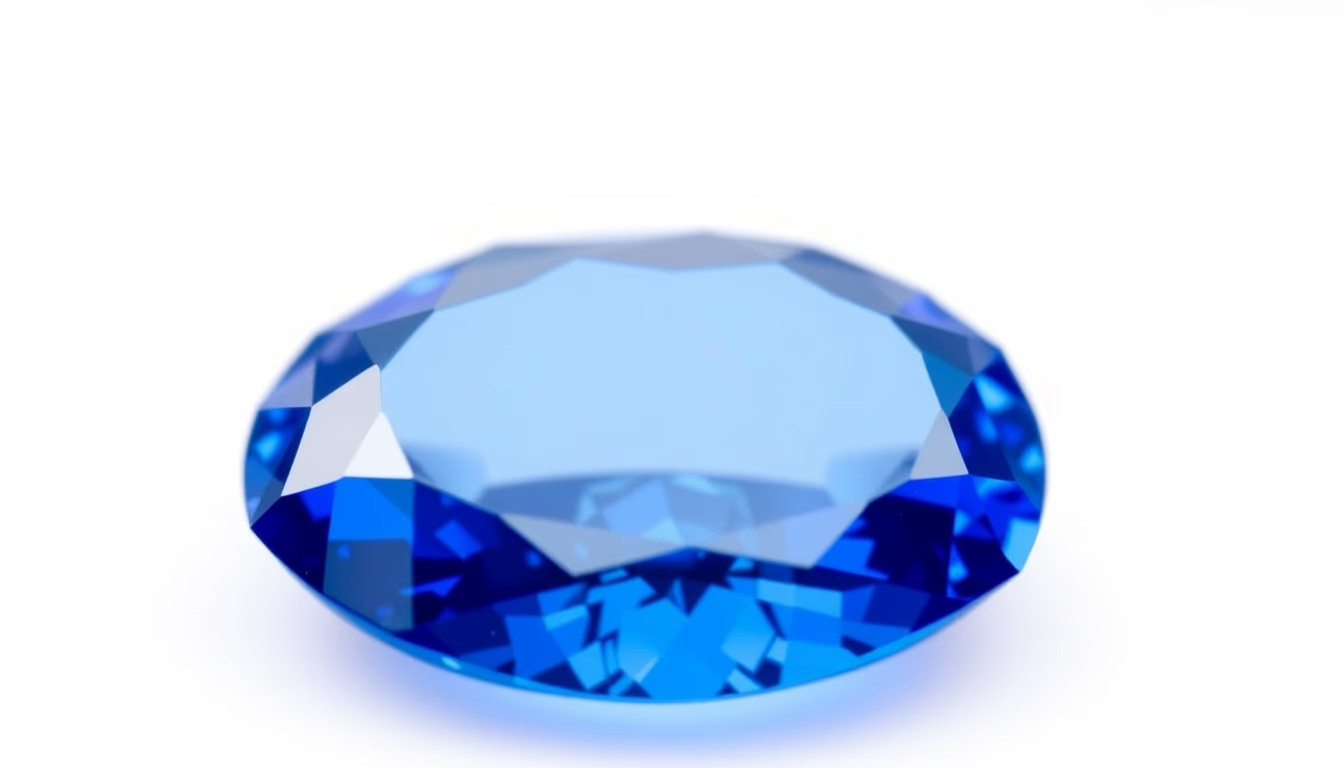
Culturally, the diamond rough is associated with durability and luxury. Before cutting, it has a dull, greasy appearance, very different from the final brilliance. The jewelry industry transforms rough stones into faceted gems, but there is also industrial use as abrasives and in high-precision cutting tools. Synthetic diamond production, via HPHT or CVD, complements the natural market. The global trade of rough diamonds moves billions of dollars annually, with cutting centers in Antwerp, Mumbai, and Tel Aviv.
Frequently Asked Questions
What is the difference between a rough diamond and a cut diamond?
A rough diamond is the natural form as mined, without any cutting or polishing. A cut diamond has been shaped and faceted to maximize brilliance and fire, typically for use in jewelry.
How are diamonds extracted?
Extraction can be from open-pit or underground mines targeting kimberlite pipes, or from alluvial deposits where crystals have been transported by rivers.
Can rough diamonds be used in jewelry?
Yes, but cutting and polishing enhance their beauty and value. Some rustic designs incorporate rough diamonds, but most are destined for cutting to create fine jewelry.
Direct URL
https://pub-c7d6a6ea828543ac903a74a341ccb2e1.r2.dev/imagens/diamond-rough-crystal-long-exposure-p1.avifHow to credit
Include a visible link back to UtilizAí. Copy one of the snippets below:
<a href="https://xn--utiliza-eza.com/en/midia/imagens/diamond-rough-crystal-long-exposure-p1">Diamond rough crystal</a> by <a href="https://xn--utiliza-eza.com">UtilizAí</a>, licensed under <a href="https://creativecommons.org/licenses/by/4.0/">CC BY 4.0</a>.
[Diamond rough crystal](https://xn--utiliza-eza.com/en/midia/imagens/diamond-rough-crystal-long-exposure-p1) by [UtilizAí](https://xn--utiliza-eza.com), CC BY 4.0
License: CC-BY-4.0