Dia de los muertos altar
1344×768 · AVIF · CC BY 4.0
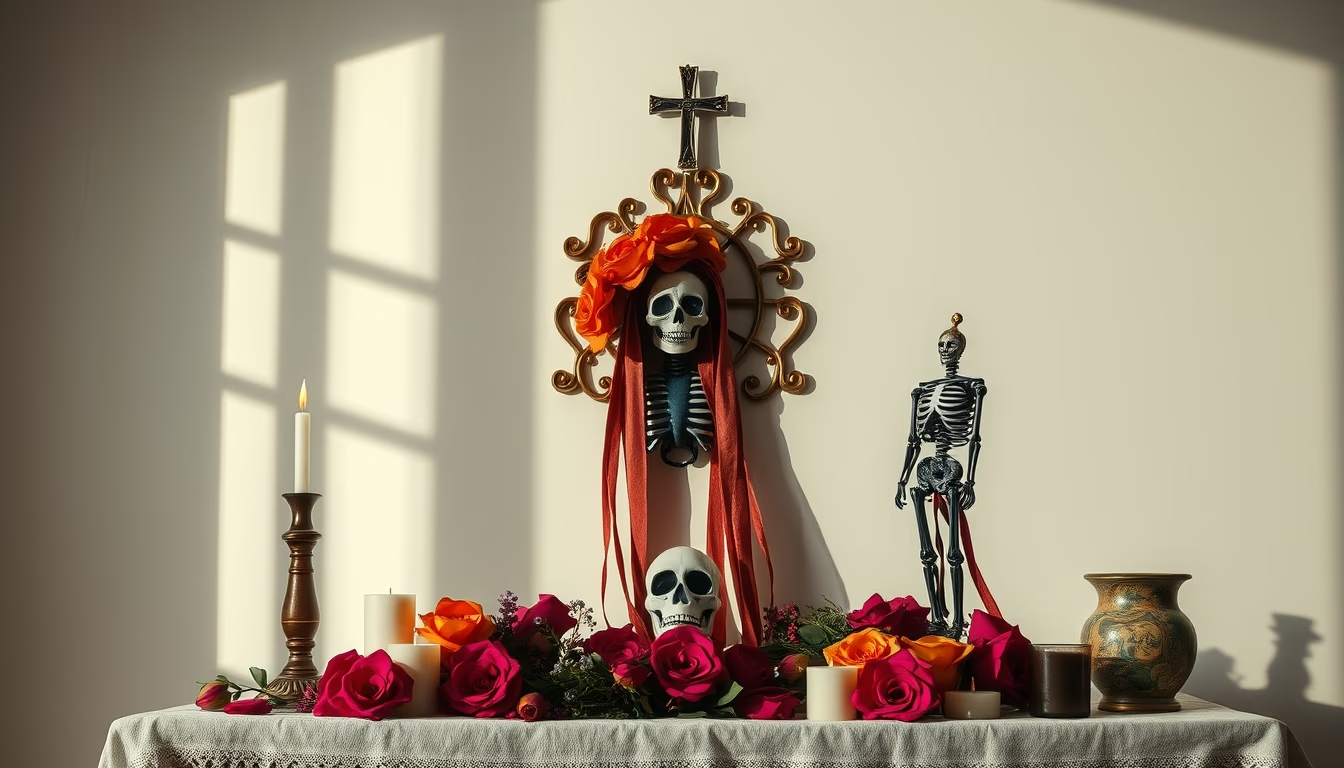
The Day of the Dead altar, or ofrenda, is a Mexican tradition honoring the deceased with symbolic elements such as flowers, candles, and food.
About this subject
The Day of the Dead altar, known as ofrenda, is the heart of Mexican celebrations on November 1 and 2. This ancient tradition blends pre-Hispanic indigenous beliefs, primarily from the Aztecs, with Catholicism brought by the Spanish. According to Aztec cosmology, death was a passage to another level of existence, and altars served to guide souls back to the world of the living for a few days each year.
Every element placed on the altar carries deep meaning. Cempasúchil flowers, with their orange hue and strong scent, are used to mark the path souls travel. Candles represent light and faith, while copal incense purifies the environment. Photographs of deceased loved ones are placed at the top, reminding of their presence. The ofrenda also includes typical foods such as pan de muerto, fruits, and beverages the deceased enjoyed in life, like tequila or champurrado. Sugar skulls (calaveritas) symbolize death in a playful way, with names written on the forehead.
In recent years, a minimalist approach to altars has gained traction, especially in urban spaces or among younger generations. Instead of large multi-tiered structures, people opt for slim compositions that preserve the essential elements: a photo, a candle, some flowers, and a sugar skull. This contemporary version does not diminish the respect or emotion involved; on the contrary, it makes the tradition more accessible and adaptable to modern life without losing the connection to cultural roots.
The Day of the Dead was declared Intangible Cultural Heritage of Humanity by UNESCO in 2008. Although associated with Mexico, variations are found in Latin American countries such as Guatemala, Ecuador, and Bolivia. The iconic representation of the altar, with its vibrant colors and symbolism, has also influenced global pop culture, appearing in films and animations like “Coco”.
Frequently Asked Questions
What is the meaning of a Day of the Dead altar?
The altar, or ofrenda, is a symbolic arrangement to welcome the souls of the deceased during the Day of the Dead celebration. Each element represents something, such as flowers to guide the path, candles to light the way, and food to nourish the souls after their long journey.
What are the essential elements of an ofrenda?
Traditionally, it includes a photo of the deceased, cempasúchil flowers, candles, incense, water, salt, sugar skulls, pan de muerto, fruits, and favorite beverages. The arrangement often follows a tiered structure representing the material and spiritual worlds.
Why are some altars minimalist?
The minimalist version arises from adaptation to small spaces, urban practicality, or contemporary aesthetics. Even with fewer items, it maintains the core symbolism: honoring loved ones and keeping the tradition alive.
Direct URL
https://pub-c7d6a6ea828543ac903a74a341ccb2e1.r2.dev/imagens/dia-de-los-muertos-altar-minimalist-composition-fresh15.avifHow to credit
Include a visible link back to UtilizAí. Copy one of the snippets below:
<a href="https://xn--utiliza-eza.com/en/midia/imagens/dia-de-los-muertos-altar-minimalist-composition-fresh15">Dia de los muertos altar</a> by <a href="https://xn--utiliza-eza.com">UtilizAí</a>, licensed under <a href="https://creativecommons.org/licenses/by/4.0/">CC BY 4.0</a>.
[Dia de los muertos altar](https://xn--utiliza-eza.com/en/midia/imagens/dia-de-los-muertos-altar-minimalist-composition-fresh15) by [UtilizAí](https://xn--utiliza-eza.com), CC BY 4.0
License: CC-BY-4.0