Dia de los muertos altar
1344×768 · AVIF · CC BY 4.0
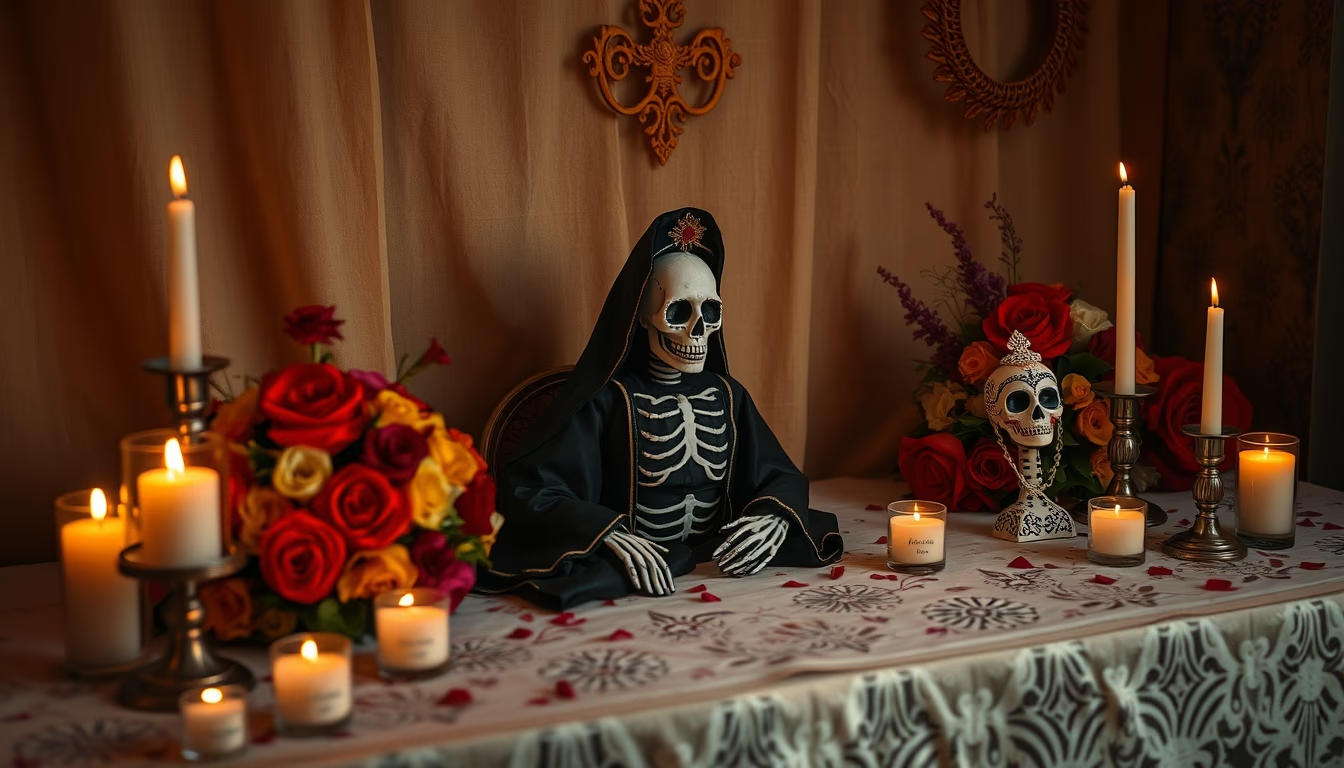
Mexican Day of the Dead altar with offerings, flowers and candles, ancestral celebration of life and death.
About this subject
The Day of the Dead altar, or “ofrenda”, is the centerpiece of the Mexican celebration held on November 1 and 2. This tradition blends pre-Hispanic elements with Catholicism, recognized by UNESCO as Intangible Cultural Heritage of Humanity. The altar has layers representing spiritual and material realms: the floor with salt for purification, the saint’s image, marigold flowers (cempasúchil) that guide souls with their color and scent, and candles that light the path.
Each offering carries symbolism. Water quenches thirst after the long journey; sweet bread called “pan de muerto” nourishes the spirit; seasonal fruits like sugarcane and oranges represent the earth. Photos of the deceased are placed to welcome them, while personal items (clothing, instruments, toys) honor their life. Copal incense cleanses energy and colorful papel picado represents the wind.
The date coincides with Catholic All Saints’ and All Souls’ Days, but originates from Aztec, Maya, and Purépecha cultures, who believed death was a continuation of existence. Originally held in August, it was moved to November by Spanish colonizers. Today, each region of Mexico adds its identity: in Michoacán, altars are more rustic; in Mexico City, large public contests are held.
Building an altar is not only a religious act but a way to keep the memory of loved ones alive. Families gather to tell stories, sing, and eat together, turning mourning into a celebration. Sugar skulls remind that death is universal but can be faced with humor. The belief is that the dead return to visit the living on these two days, and the altar is the meeting point between worlds.
Frequently Asked Questions
What is the origin of the Day of the Dead?
The Day of the Dead originated in Mesoamerican civilizations like the Aztecs and Maya, who believed death was a passage to another world. With the arrival of the Spanish, the date was syncretized with Catholicism and moved to November 1 and 2.
What does each element of the altar mean?
Each element has a purpose: marigold flowers guide souls with their color and scent; candles light the way; water quenches thirst; pan de muerto nourishes; incense purifies; papel picado represents wind; and photos and personal items honor the deceased.
Why is the Day of the Dead celebrated with joy?
The celebration sees death as a natural part of life, not an end. Families believe the dead return to visit, so welcoming them with festivities, music, and traditional foods is a way to honor their memory and maintain the emotional bond.
Direct URL
https://pub-c7d6a6ea828543ac903a74a341ccb2e1.r2.dev/imagens/dia-de-los-muertos-altar-magazine-editorial-fresh17.avifHow to credit
Include a visible link back to UtilizAí. Copy one of the snippets below:
<a href="https://xn--utiliza-eza.com/en/midia/imagens/dia-de-los-muertos-altar-magazine-editorial-fresh17">Dia de los muertos altar</a> by <a href="https://xn--utiliza-eza.com">UtilizAí</a>, licensed under <a href="https://creativecommons.org/licenses/by/4.0/">CC BY 4.0</a>.
[Dia de los muertos altar](https://xn--utiliza-eza.com/en/midia/imagens/dia-de-los-muertos-altar-magazine-editorial-fresh17) by [UtilizAí](https://xn--utiliza-eza.com), CC BY 4.0
License: CC-BY-4.0