Dia de los muertos altar
1344×768 · AVIF · CC BY 4.0
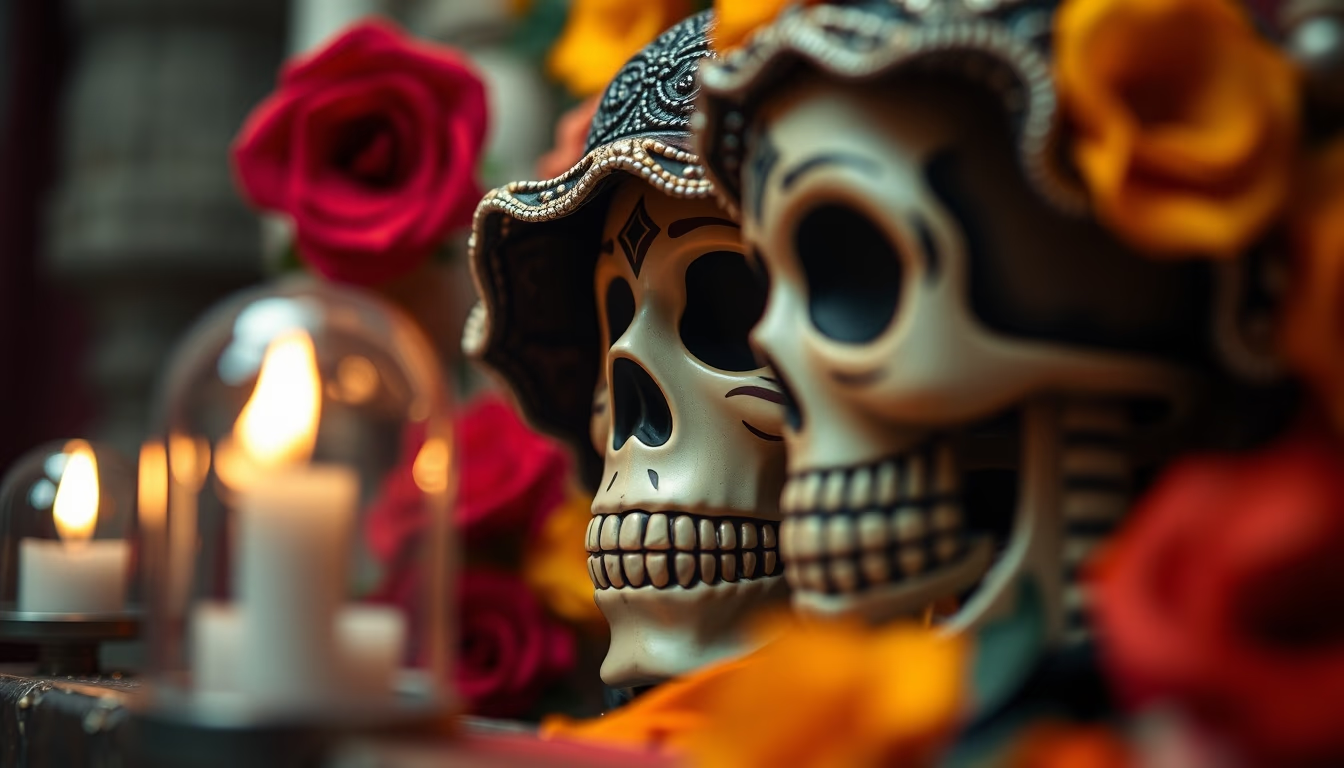
The Day of the Dead altar, or ofrenda, is the heart of the Mexican celebration honoring the deceased with colors, aromas, and ancestral symbolism.
About this subject
The Day of the Dead altar, known as an ofrenda, is a symbolic display created to welcome the souls of loved ones who return to the world of the living on November 1 and 2. This tradition blends pre-Hispanic elements from the Aztec, Maya, and other Mesoamerican cultures with Catholic influences brought by Spanish colonizers. In 2008, UNESCO recognized the festivity as an Intangible Cultural Heritage of Humanity.
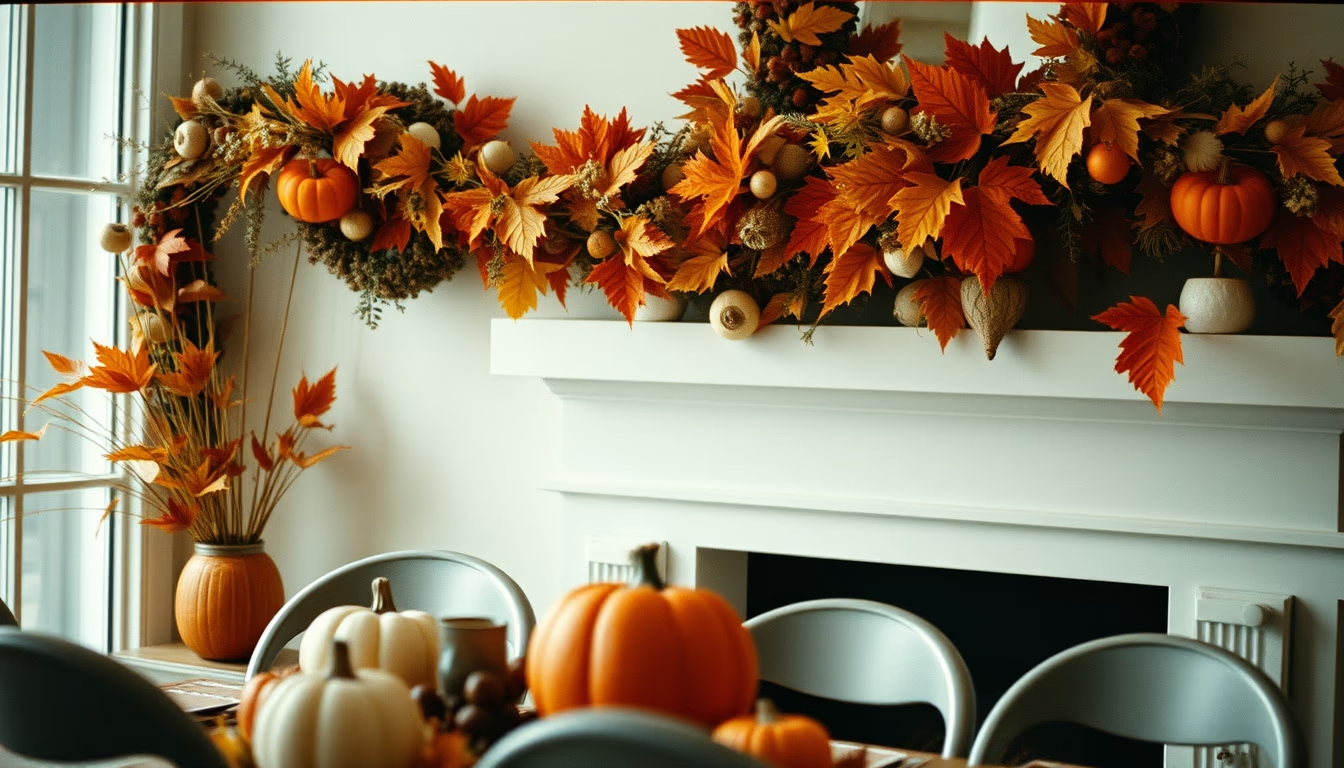
Each item placed on the altar carries specific meaning. The vibrant orange marigold flowers (cempasúchil) guide souls with their color and scent; lit candles represent light and faith; copal incense purifies the atmosphere. Photos of the deceased are positioned alongside their favorite foods, such as tamales and mole, as well as colorful sugar skulls (calaveritas) and the traditional pan de muerto. Glasses of water are also placed to quench thirst after the long journey.
The altar's structure can range from two to seven levels, each representing a stage between heaven and earth. The highest level usually holds religious imagery, such as saints or the Virgin of Guadalupe, while lower levels are dedicated to the deceased family members. In indigenous communities, it is common to include natural elements, such as seasonal fruits and personal belongings of the dead. The tradition has spread globally, but in Mexico it is especially vibrant in states like Oaxaca, Michoacán, and Puebla.
Interestingly, the date coincides with the Catholic observances of All Saints' Day and All Souls' Day, but the Mexican approach is festive, not mournful. It is believed that joy and the aroma of food attract souls, who return to spend a few hours with the living. The altar is thus an expression of love and memory, where death is seen as a continuation of life.
Frequently Asked Questions
What is the origin of the Day of the Dead?
The Day of the Dead originates from pre-Hispanic cultures like the Aztecs and Mayans, who held rituals honoring the dead for thousands of years. With Spanish colonization, the tradition was syncretized with the Catholic celebrations of All Saints' Day and All Souls' Day.
What does each element of the altar mean?
Marigold flowers guide souls, candles light the path, incense purifies, photos remember the deceased, favorite foods and drinks nourish them, and sugar skulls symbolize death in a playful way.
When is it celebrated and why those dates?
The celebration takes place on November 1 and 2. It is believed that on the night of October 31, the souls of children return (Día de los Angelitos), and on November 1, the souls of adults. The dates coincide with the Catholic calendar.
Direct URL
https://pub-c7d6a6ea828543ac903a74a341ccb2e1.r2.dev/imagens/dia-de-los-muertos-altar-macro-closeup-fresh14.avifHow to credit
Include a visible link back to UtilizAí. Copy one of the snippets below:
<a href="https://xn--utiliza-eza.com/en/midia/imagens/dia-de-los-muertos-altar-macro-closeup-fresh14">Dia de los muertos altar</a> by <a href="https://xn--utiliza-eza.com">UtilizAí</a>, licensed under <a href="https://creativecommons.org/licenses/by/4.0/">CC BY 4.0</a>.
[Dia de los muertos altar](https://xn--utiliza-eza.com/en/midia/imagens/dia-de-los-muertos-altar-macro-closeup-fresh14) by [UtilizAí](https://xn--utiliza-eza.com), CC BY 4.0
License: CC-BY-4.0