Dia de los muertos altar
1344×768 · AVIF · CC BY 4.0
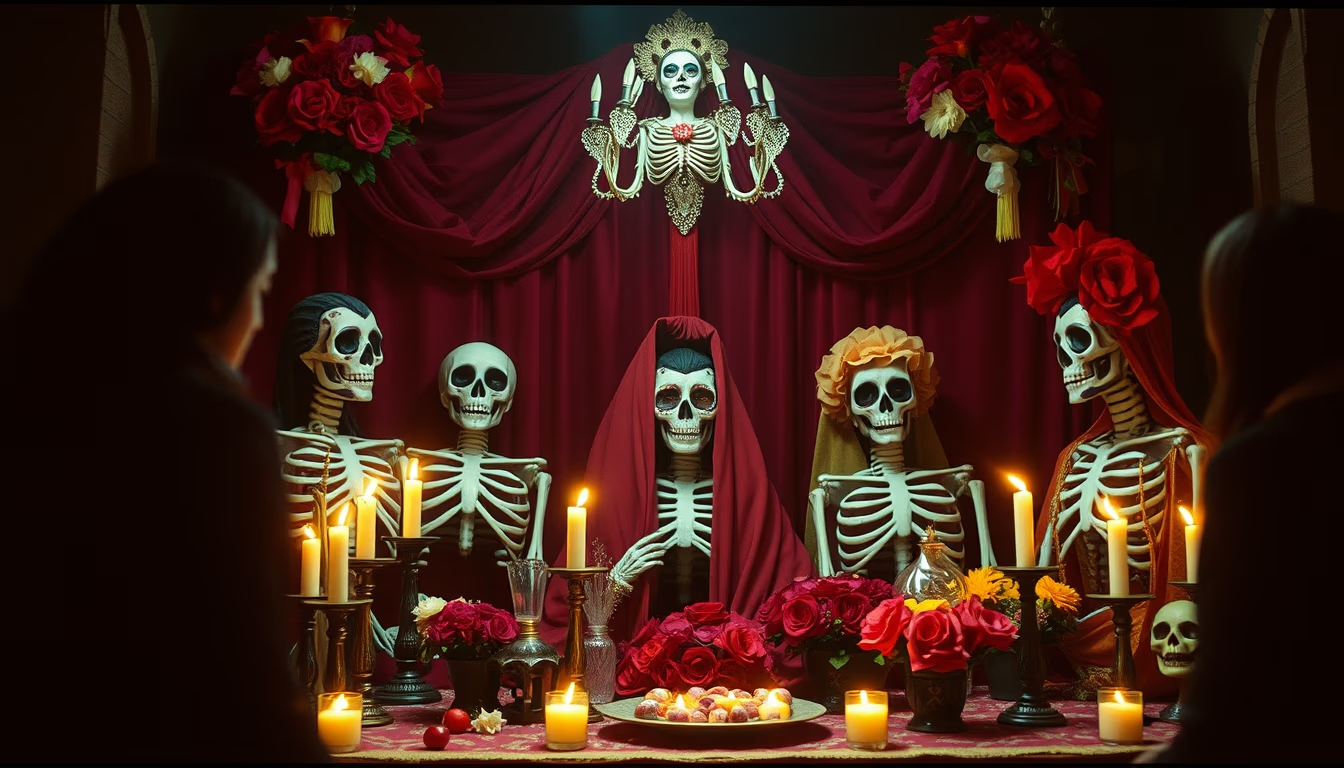
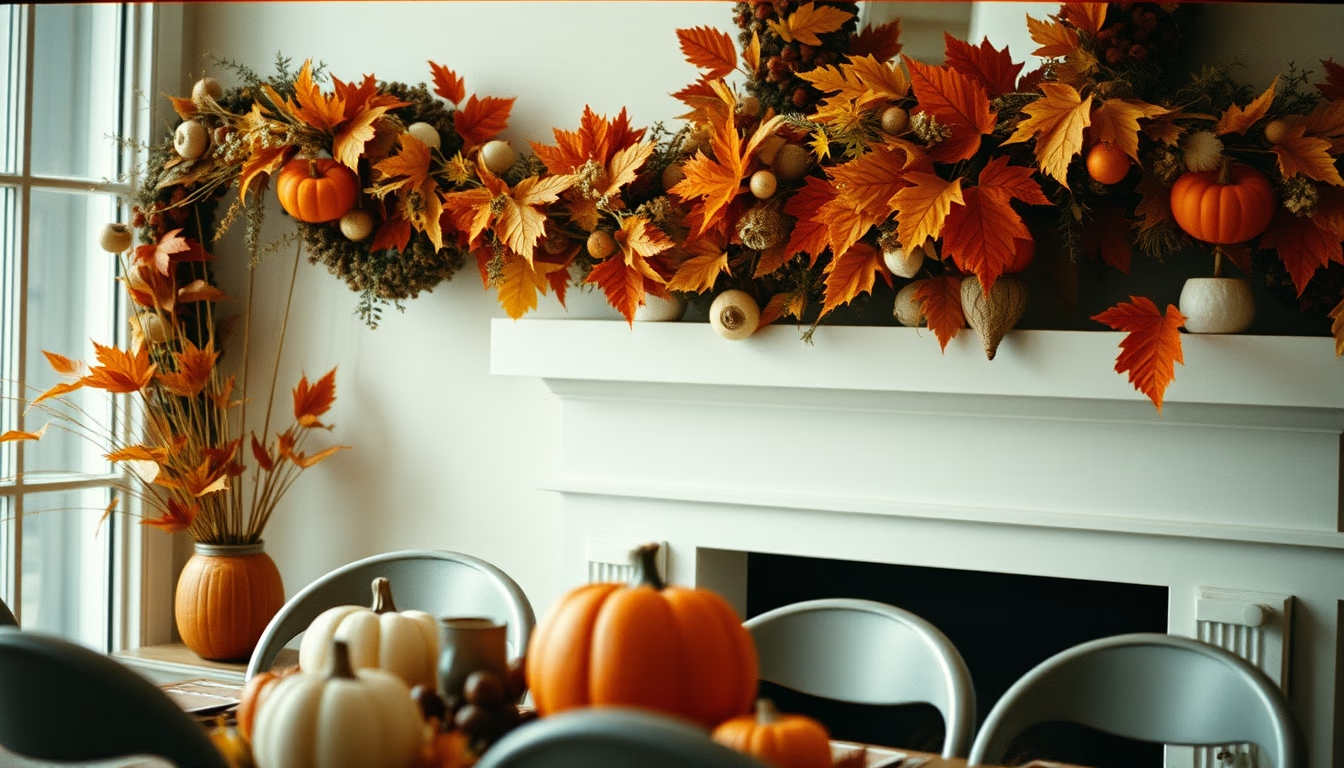
Día de los Muertos altar: a structure honoring the deceased, adorned with marigold flowers, candles, photographs, and traditional foods. Recognized as UNESCO Intangible Cultural Heritage since 2008.
About this subject
The Día de los Muertos altar, also known as an ofrenda, is the central element of the Mexican celebration held on November 1 and 2. The tradition blends pre-Hispanic indigenous beliefs with Catholicism brought by the Spanish. Altars are set up in homes, cemeteries, and public spaces to welcome the souls of loved ones, who are believed to return to the world of the living on these days.
Each level of the altar carries meaning: typically two or three tiers representing heaven and earth. On it, families place photographs of the deceased, candles (to light the way), copal incense (to purify the space), water (to quench thirst after the long journey), and salt (to prevent the spirit from corrupting). Bright orange marigold flowers, called cempasúchil, guide souls with their scent and vibrant color. Other common items include colorful papel picado, sugar skulls, and pan de muerto, a sweet bread typical of the season.
The celebration varies by region in Mexico. In Michoacán, altars are richly decorated with fruit and tamales; in Mexico City, parades and altar competitions are held. In indigenous communities such as the Purépecha, the ofrenda includes items the deceased enjoyed in life, like cigarettes, tequila, or personal objects. The altar is not a somber mourning but a joyful way to honor memory and the continuity of life after death.
Frequently Asked Questions
What is the meaning of each element on the Día de los Muertos altar?
Each item serves a purpose: candles light the souls' path, marigold flowers guide with color and scent, water quenches thirst, salt purifies, and photographs identify the deceased being honored. Copal incense wards off evil spirits.
When is the Día de los Muertos altar set up?
Traditionally, the altar is set up from October 31 and maintained until November 2. It is believed that children's souls arrive on November 1 (Day of the Little Angels) and adults' souls on November 2.
Is the Mexican altar different from other traditions honoring the dead?
Yes. The Mexican altar is unique for its blend of pre-Hispanic and Catholic elements, extensive use of color and flowers, and festive atmosphere. It differs from Halloween, which focuses on scares and costumes, while Día de los Muertos celebrates life and death with joy.
Direct URL
https://pub-c7d6a6ea828543ac903a74a341ccb2e1.r2.dev/imagens/dia-de-los-muertos-altar-lo-fi-disposable-camera-fresh3.avifHow to credit
Include a visible link back to UtilizAí. Copy one of the snippets below:
<a href="https://xn--utiliza-eza.com/en/midia/imagens/dia-de-los-muertos-altar-lo-fi-disposable-camera-fresh3">Dia de los muertos altar</a> by <a href="https://xn--utiliza-eza.com">UtilizAí</a>, licensed under <a href="https://creativecommons.org/licenses/by/4.0/">CC BY 4.0</a>.
[Dia de los muertos altar](https://xn--utiliza-eza.com/en/midia/imagens/dia-de-los-muertos-altar-lo-fi-disposable-camera-fresh3) by [UtilizAí](https://xn--utiliza-eza.com), CC BY 4.0
License: CC-BY-4.0