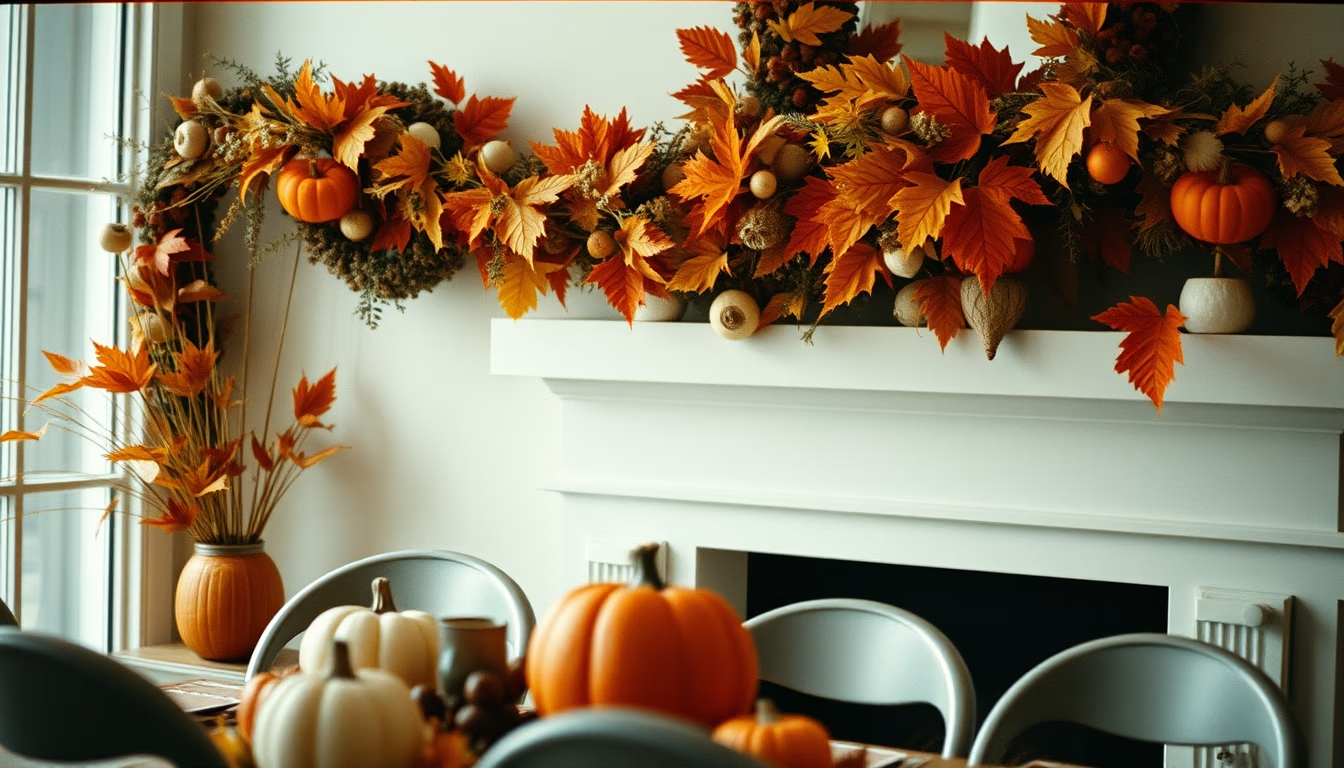
Dia de los muertos altar
1344×768 · AVIF · CC BY 4.0
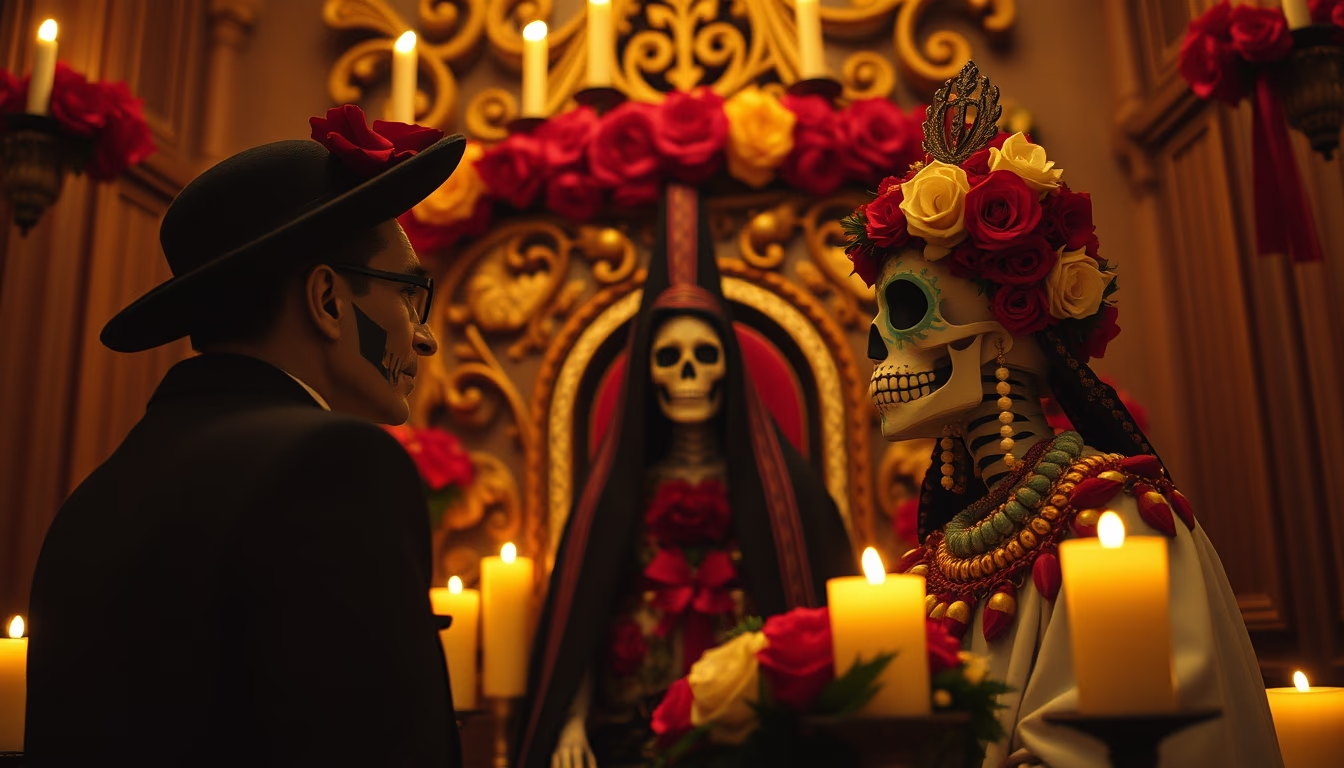
The Day of the Dead altar is a Mexican tradition that honors the deceased with colorful and symbolic offerings.
About this subject
The Day of the Dead altar, or ofrenda, is a Mexican tradition that dates back to pre-Hispanic civilizations like the Aztecs. Celebrated on November 1 and 2, the syncretic holiday blends indigenous beliefs with Catholicism brought by the Spanish. Altars are set up in homes and cemeteries to welcome the souls of loved ones, who are believed to return to the world of the living on these days. Each element of the altar carries deep meaning: a photograph of the deceased invites their soul, candles light the way, copal incense purifies the space, and marigolds (cempasúchil) with their strong scent and bright orange color attract souls. Water is offered to quench thirst after the long journey, and salt for purification. Foods like pan de muerto (bread of the dead), tamales, fruits, and typical sweets are placed to nourish spiritual visitors. The altar can have up to three tiers, representing heaven, earth, and the underworld, or the stages of life. In 2008, UNESCO declared the Day of the Dead as Intangible Cultural Heritage of Humanity, recognizing its importance as a living cultural expression. The tradition varies regionally: in Oaxaca, altars are adorned with embroidered fabrics and local crafts; in Michoacán, Purepecha communities hold celebrations on the island of Janitzio. The altar is not an object of sorrow but a celebration of life and memory, strengthening community and family bonds.
Frequently Asked Questions
When is the Day of the Dead celebrated?
The Day of the Dead is celebrated on November 1 and 2. November 1 is dedicated to deceased children (Day of the Innocents or Angelitos), and November 2 to adults.
What are the essential elements of an altar?
Essential elements include photos of the deceased, candles, marigolds (cempasúchil), copal incense, water, salt, and foods such as pan de muerto, tamales, and fruit. Each item has a symbolic meaning.
What is the origin of the Day of the Dead altar?
The tradition originates from Mesoamerican cultures, such as the Aztec, who held rituals honoring the dead before Spanish colonization. With the arrival of the Spanish, it was incorporated into the Catholic calendar.
Direct URL
https://pub-c7d6a6ea828543ac903a74a341ccb2e1.r2.dev/imagens/dia-de-los-muertos-altar-film-grain-authentic-fresh2.avifHow to credit
Include a visible link back to UtilizAí. Copy one of the snippets below:
<a href="https://xn--utiliza-eza.com/en/midia/imagens/dia-de-los-muertos-altar-film-grain-authentic-fresh2">Dia de los muertos altar</a> by <a href="https://xn--utiliza-eza.com">UtilizAí</a>, licensed under <a href="https://creativecommons.org/licenses/by/4.0/">CC BY 4.0</a>.
[Dia de los muertos altar](https://xn--utiliza-eza.com/en/midia/imagens/dia-de-los-muertos-altar-film-grain-authentic-fresh2) by [UtilizAí](https://xn--utiliza-eza.com), CC BY 4.0
License: CC-BY-4.0