Dermatology tools clean
1344×768 · AVIF · CC BY 4.0
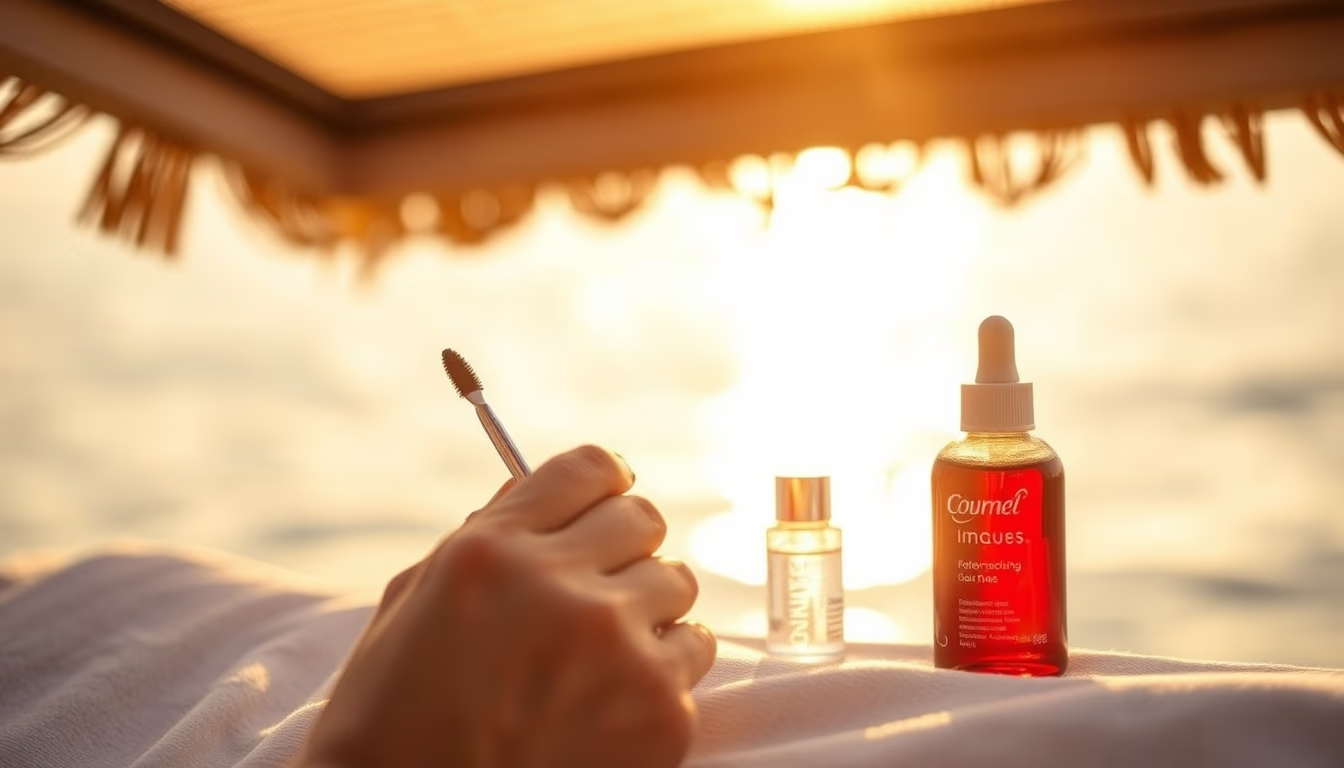
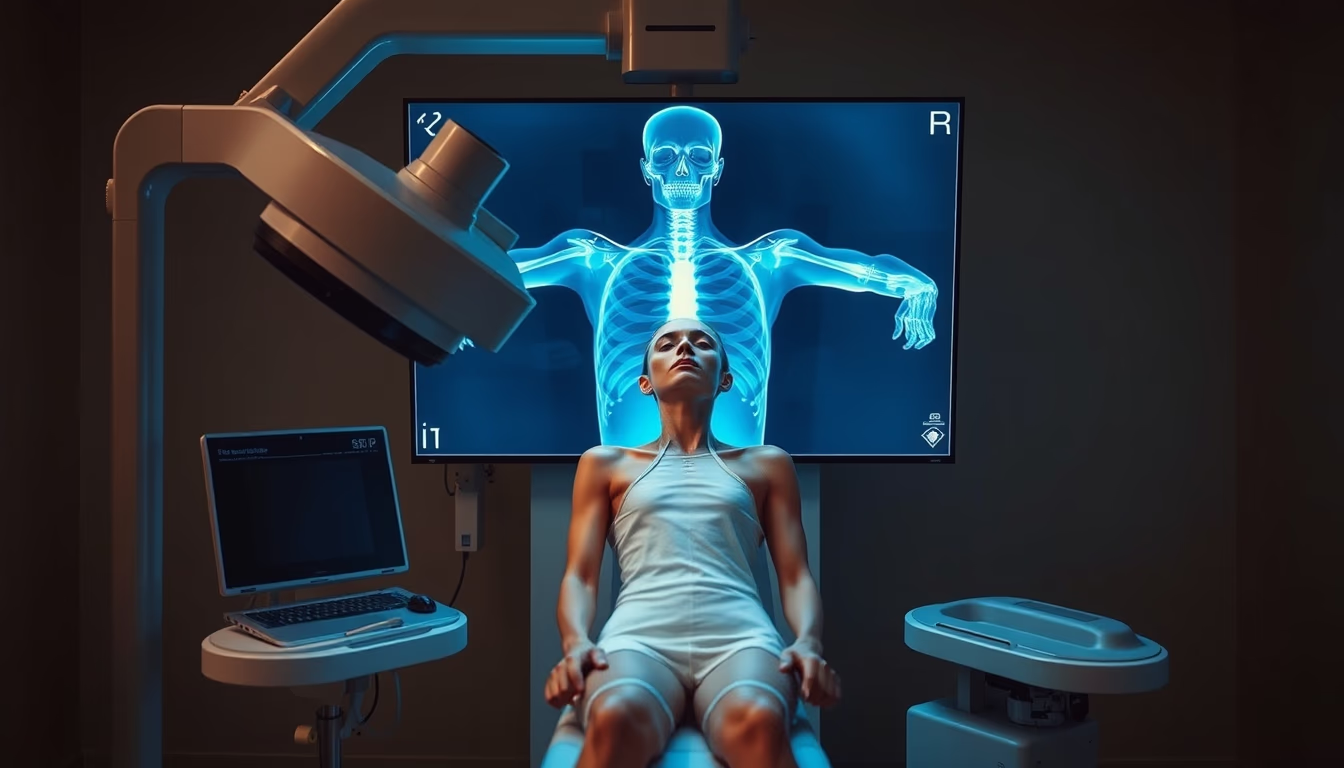
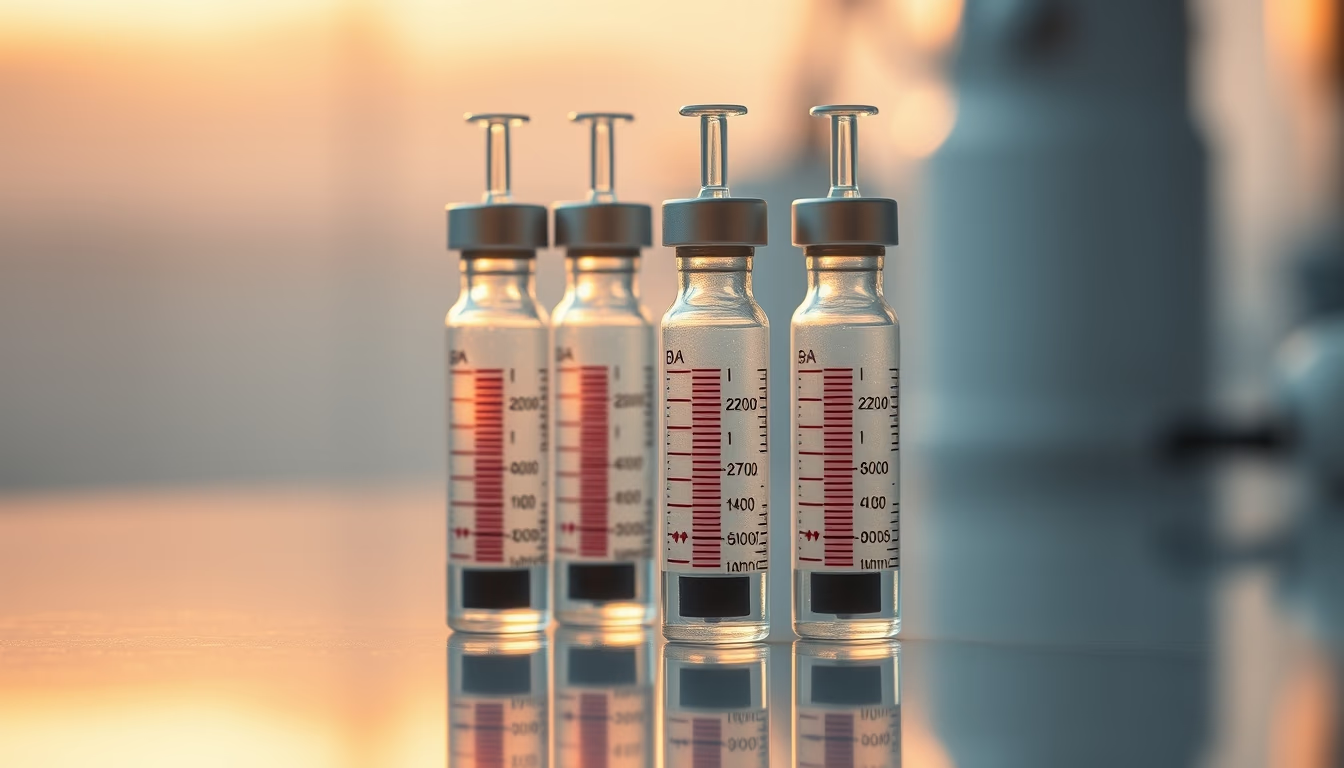
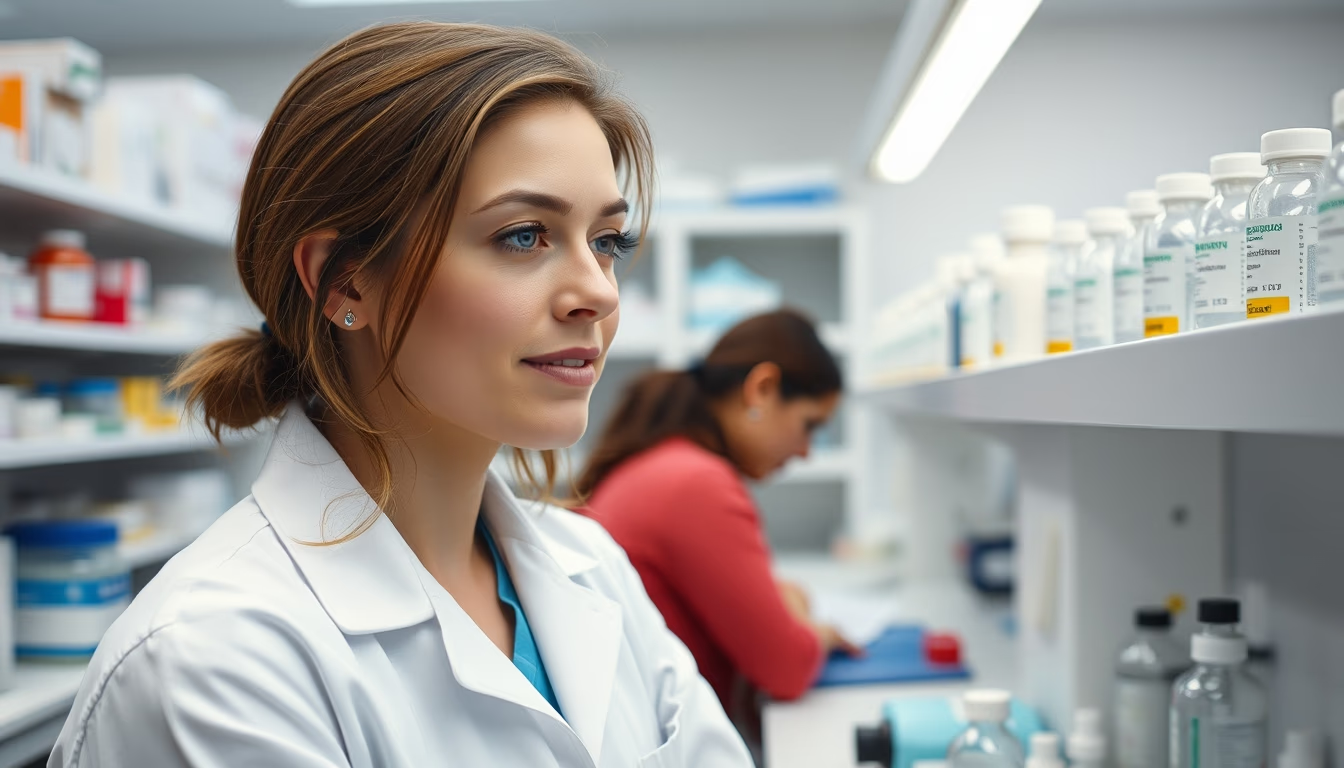
Clean and sterilized dermatology tools are essential for safe procedures, preventing infections and ensuring accuracy in diagnosing and treating skin conditions.
About this subject
Dermatological instruments include curettes, scalpels, biopsy punches, blades, and dermoscopes. Their rigorous cleaning removes biological and chemical residues, while sterilization, typically by autoclave at 121°C, eliminates microorganisms. In Brazil, ANVISA sets standards for processing health care products, a class these instruments belong to. Inadequate sterilization can lead to cross-infections, such as hepatitis B or bacterial infections.
Proper cleaning also preserves instrument integrity. Stainless steel curettes and scalpels lose their edge if not cleaned immediately after use. In dermatology clinics, the routine includes immersion in enzymatic solution, ultrasonic washing, and visual inspection before sterilization. Weekly biological tests validate the process.
For travel kits, such as those used in humanitarian missions, sterilization can be achieved with chemical solutions (glutaraldehyde) or portable sterilizers. The World Health Organization recommends individually sealed packages to maintain sterility until use. In areas without infrastructure, boiling for 20 minutes is an alternative, though less effective against spores.
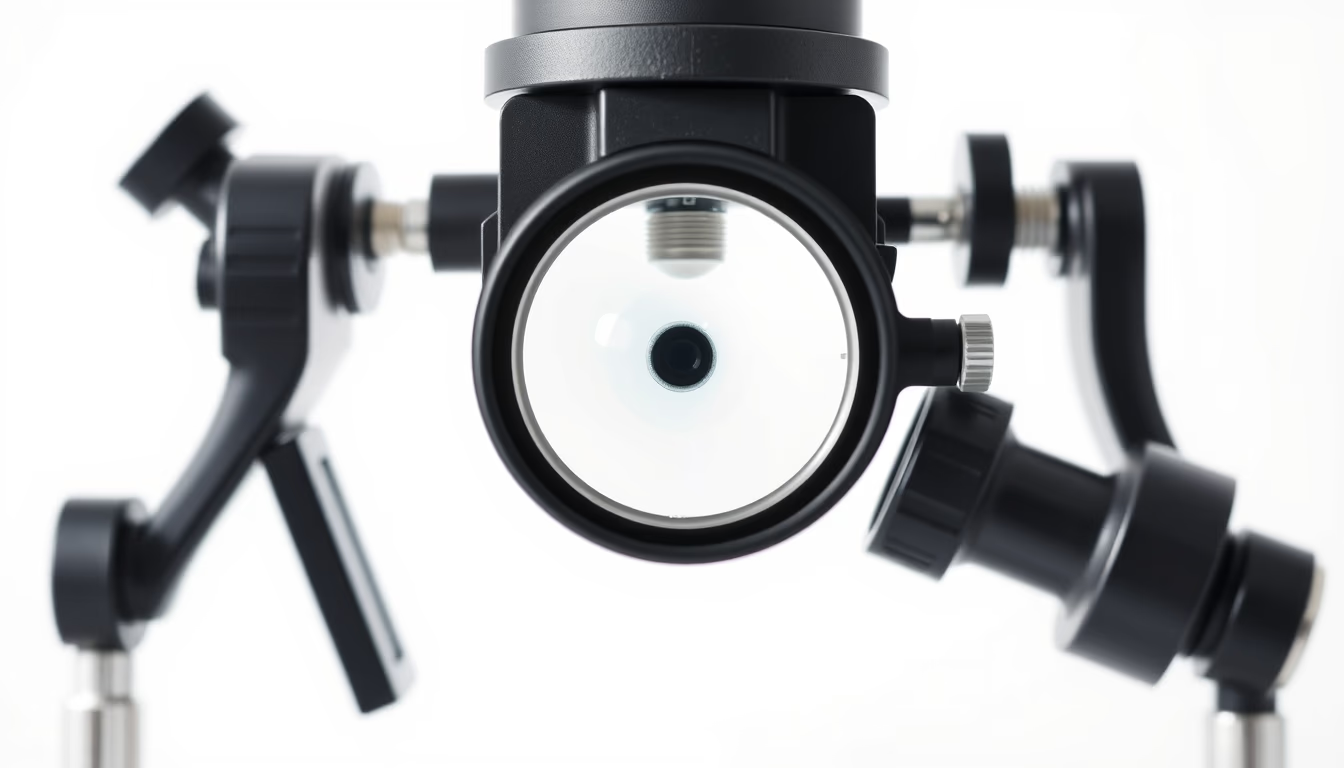
Interesting fact: the dermatoscope, which magnifies the skin, does not need sterilization after each use, only disinfection with 70% alcohol, as it does not pierce the skin. Biopsy punches are single-use and discarded after the procedure, reducing contamination risks.
Frequently Asked Questions
What are the main instruments used in dermatology?
Common instruments include curettes, scalpels, biopsy punches, scraping blades, and dermoscopes. Each has a specific role in diagnosing or treating skin lesions.
How is sterilization of these instruments performed?
Standard sterilization is done by autoclaving, using steam under pressure at 121°C for 15 to 30 minutes. Other methods include chemical sterilization with glutaraldehyde and ethylene oxide for heat-sensitive materials.
Why is cleaning dermatology tools important during travel?
During travel, especially in remote areas, proper cleaning prevents infections and ensures procedure effectiveness. Portable sterilization kits or disposable materials are recommended to maintain safety.
Direct URL
https://pub-c7d6a6ea828543ac903a74a341ccb2e1.r2.dev/imagens/dermatology-tools-clean-travel-photography-p1.avifHow to credit
Include a visible link back to UtilizAí. Copy one of the snippets below:
<a href="https://xn--utiliza-eza.com/en/midia/imagens/dermatology-tools-clean-travel-photography-p1">Dermatology tools clean</a> by <a href="https://xn--utiliza-eza.com">UtilizAí</a>, licensed under <a href="https://creativecommons.org/licenses/by/4.0/">CC BY 4.0</a>.
[Dermatology tools clean](https://xn--utiliza-eza.com/en/midia/imagens/dermatology-tools-clean-travel-photography-p1) by [UtilizAí](https://xn--utiliza-eza.com), CC BY 4.0
License: CC-BY-4.0