Dermatology tools clean
1344×768 · AVIF · CC BY 4.0
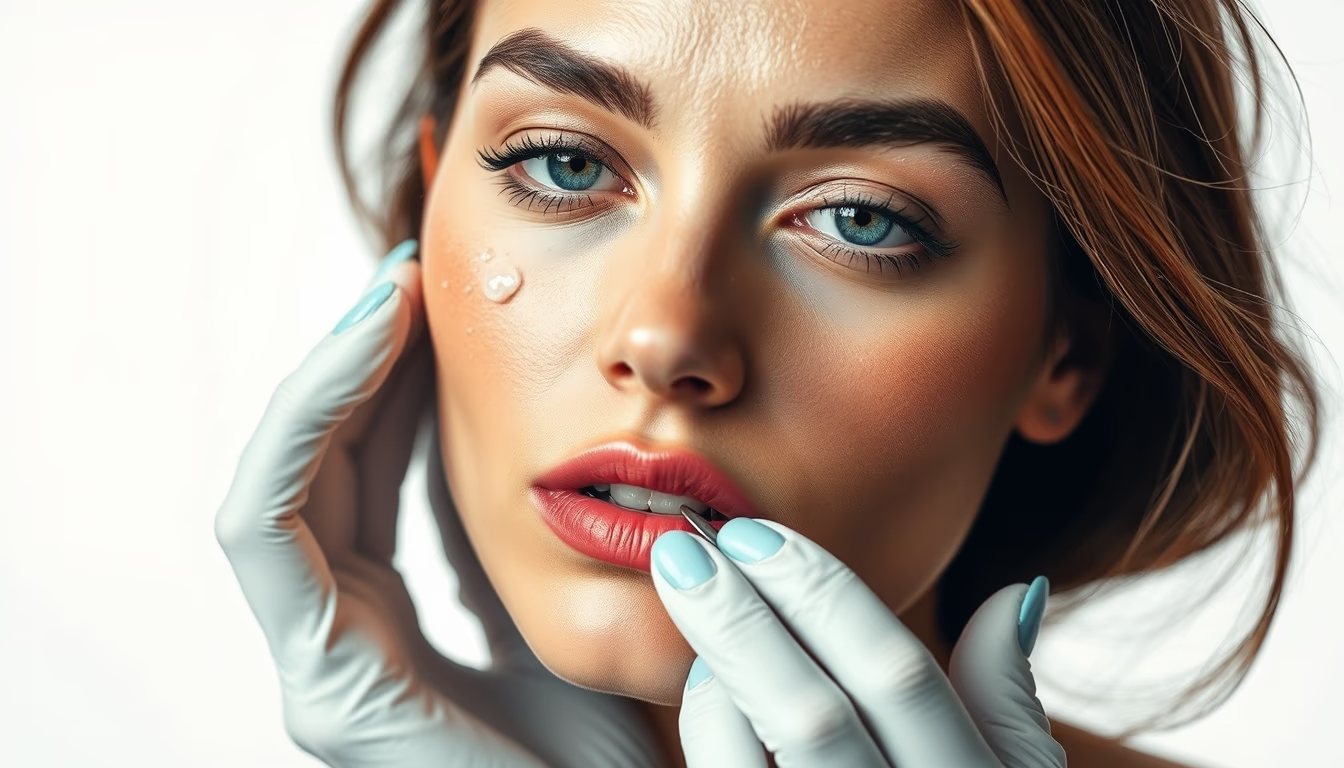
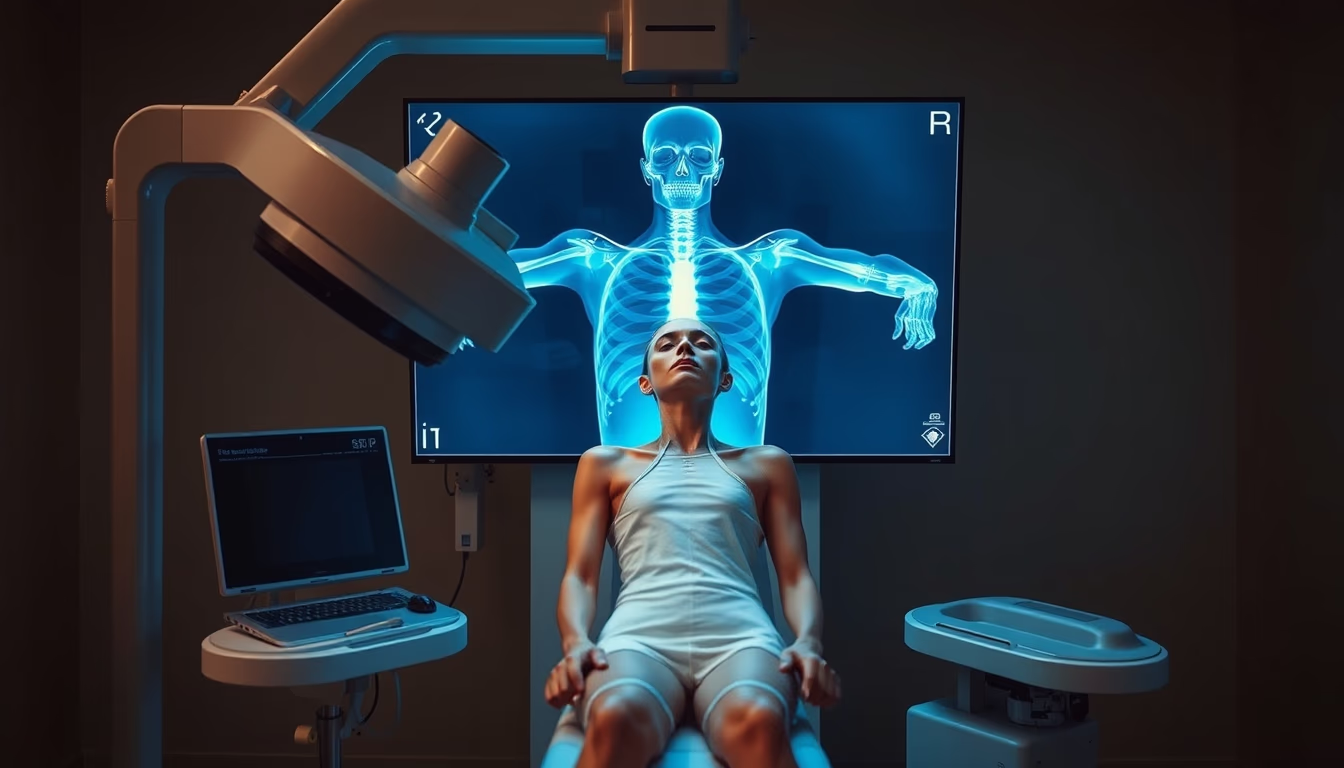
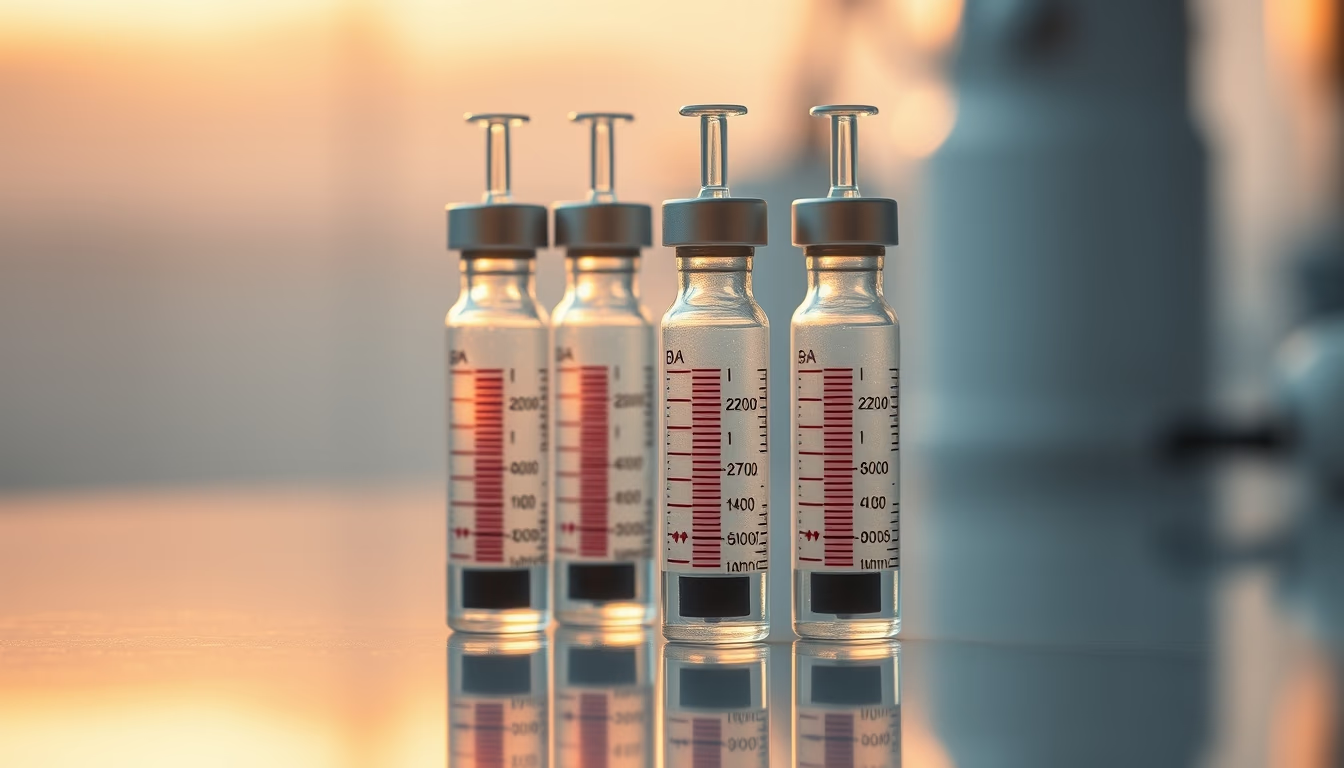
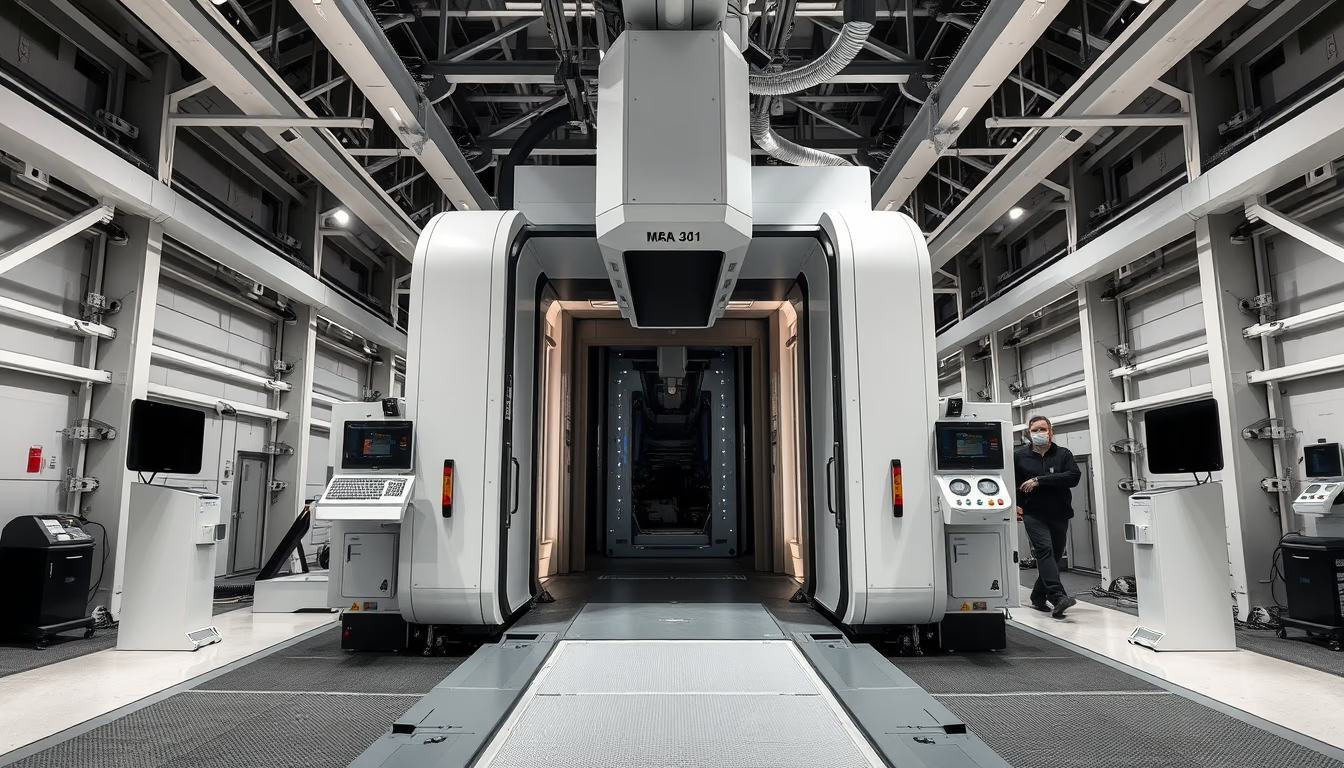
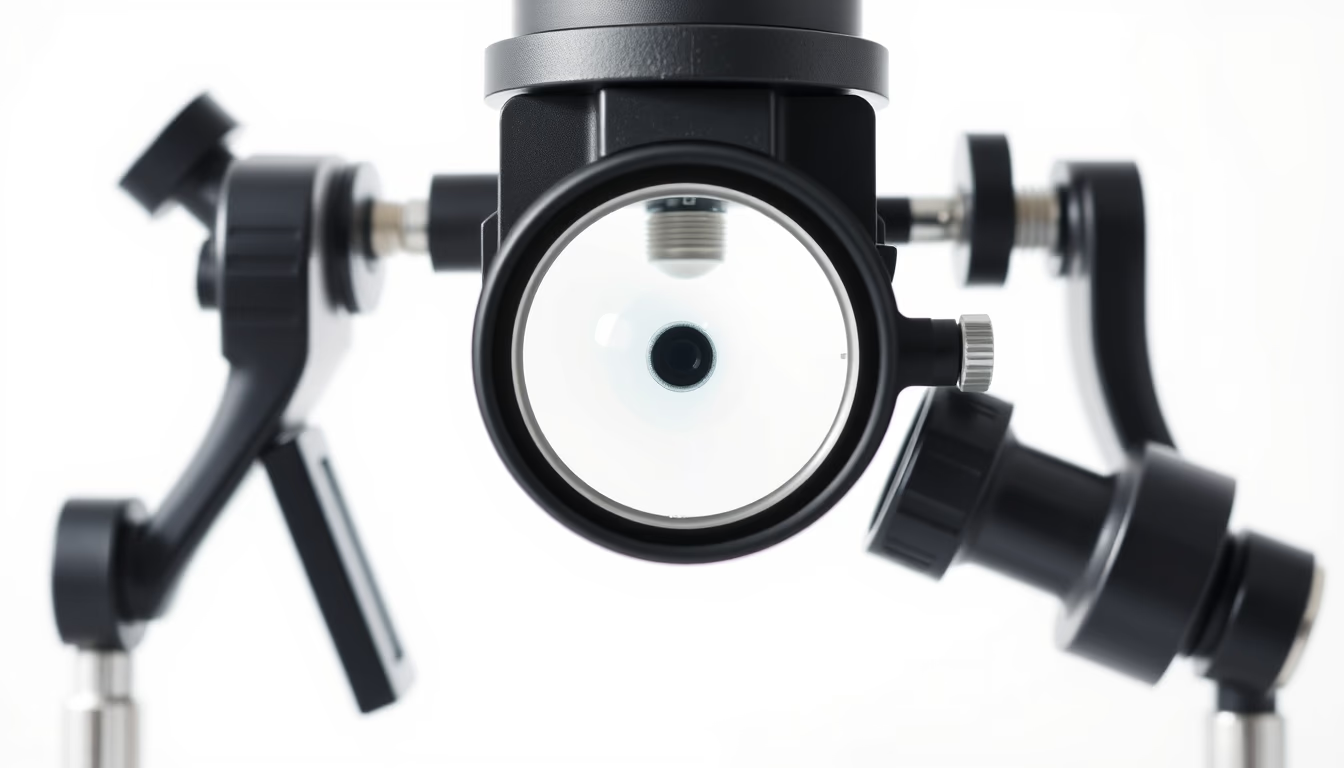
Clean dermatology tools in an editorial composition, merging medical functionality with visual aesthetics.
About this subject
Dermatology tools are specialized instruments used by dermatologists for diagnosis, surgery, and aesthetic procedures. Common examples include the scalpel (stainless steel blade for incisions), curette (for scraping lesions), forceps (for extracting milia or blackheads), punch (for biopsies), and cautery (for wart removal via electric current). Each tool requires thorough cleaning and sterilization, typically in an autoclave at 121°C, to prevent cross-contamination and ensure patient safety.
The evolution of these instruments mirrors advances in medicine. In the 19th century, many were made of non-sterilizable metal and reused without proper care, leading to high infection rates. Today, most are surgical-grade steel or titanium, designed to withstand repeated sterilization cycles. Moreover, ergonomic designs reduce physician fatigue during lengthy procedures, such as Mohs surgery.
Interestingly, the fashion-editorial style applied to these objects, as seen in this image, highlights the beauty of industrial precision. The symmetrical arrangement and dramatic lighting transform clinical tools into almost sculptural pieces, suggesting a contemporary perspective that values both efficacy and aesthetics in skincare.
Frequently Asked Questions
What are the most common dermatology tools?
The most common tools include scalpels, curettes, forceps, biopsy punches, electric cauteries, and Wood's lamps. Each has a specific function: scalpels for incisions, curettes for scraping, forceps for extractions, etc.
How are dermatology tools sterilized?
Sterilization is typically done in an autoclave using steam under pressure at 121°C for 15 to 30 minutes. Heat-sensitive instruments may be sterilized with ethylene oxide or hydrogen peroxide plasma at low temperatures.
Why is cleaning of instruments crucial in dermatology?
Cleaning removes organic debris and prevents pathogen transmission. Contaminated instruments can cause local or systemic infections, especially in procedures that breach the skin barrier, such as biopsies and surgeries.
Direct URL
https://pub-c7d6a6ea828543ac903a74a341ccb2e1.r2.dev/imagens/dermatology-tools-clean-high-fashion-editorial-p3.avifHow to credit
Include a visible link back to UtilizAí. Copy one of the snippets below:
<a href="https://xn--utiliza-eza.com/en/midia/imagens/dermatology-tools-clean-high-fashion-editorial-p3">Dermatology tools clean</a> by <a href="https://xn--utiliza-eza.com">UtilizAí</a>, licensed under <a href="https://creativecommons.org/licenses/by/4.0/">CC BY 4.0</a>.
[Dermatology tools clean](https://xn--utiliza-eza.com/en/midia/imagens/dermatology-tools-clean-high-fashion-editorial-p3) by [UtilizAí](https://xn--utiliza-eza.com), CC BY 4.0
License: CC-BY-4.0