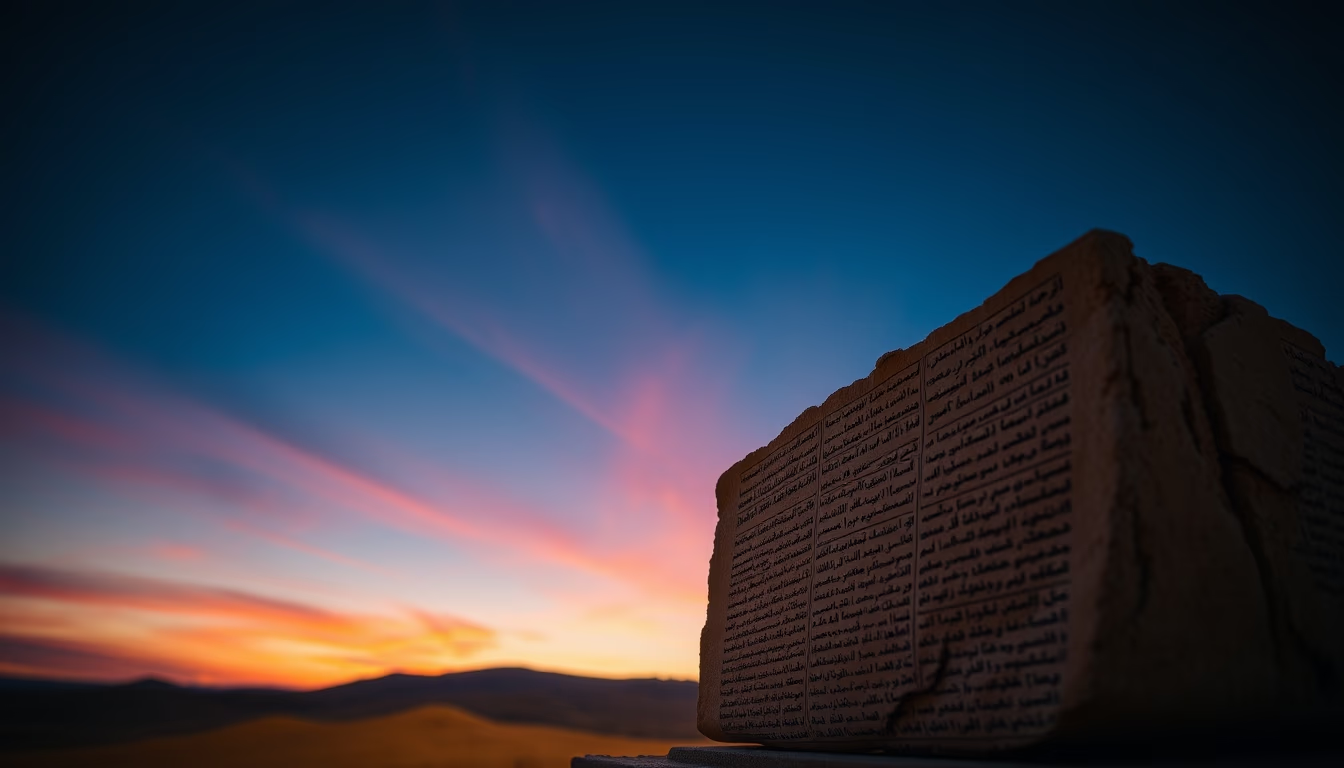
Dead sea scrolls fragment
1344×768 · AVIF · CC BY 4.0
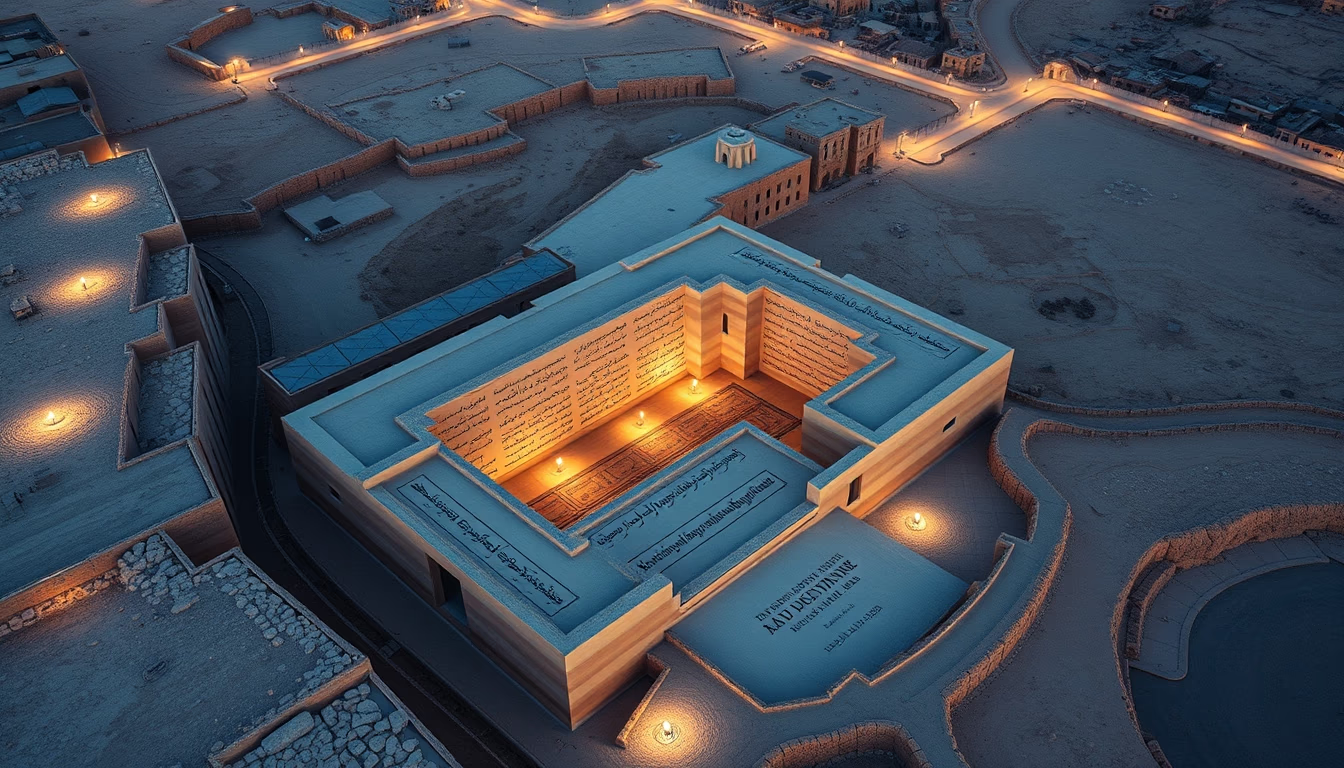
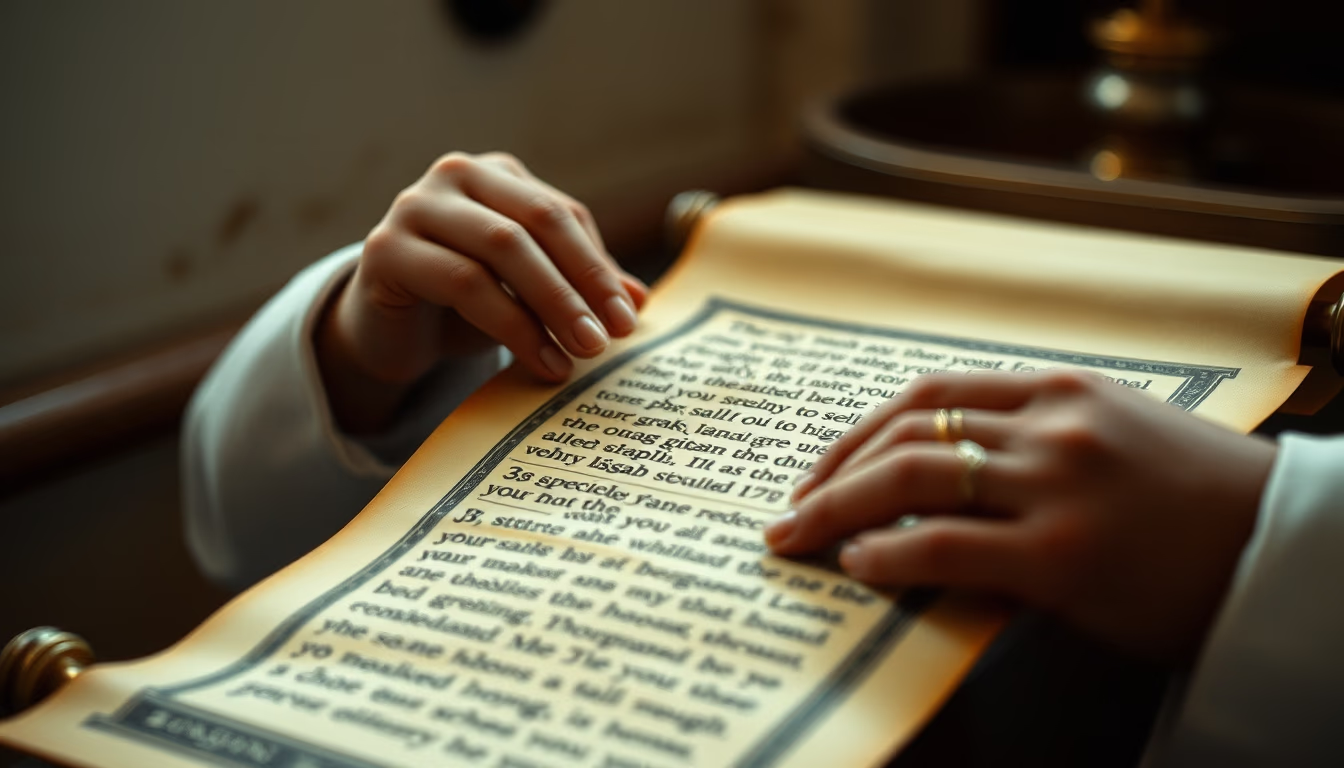
A fragment of the Dead Sea Scrolls, discovered in the Qumran caves in the West Bank between 1947 and 1956, dates from the 3rd century BCE to the 1st century CE and contains the oldest known biblical texts.
About this subject
The Dead Sea Scrolls are a collection of about 900 manuscripts, including biblical and non-biblical texts, found in 11 caves near the archaeological site of Qumran on the northwestern shore of the Dead Sea. The discovery began in 1947 when a Bedouin shepherd found the first scrolls in a cave. Subsequent excavations unearthed fragments of parchment and papyrus written in Hebrew, Aramaic, and Greek.
These fragments are of immense value for biblical textual criticism, as they include copies of Old Testament books that are about a thousand years older than previously known medieval Hebrew manuscripts, such as the Leningrad Codex. For instance, the Great Isaiah Scroll, one of the best-preserved manuscripts, contains the entire book of Isaiah with minor textual variations that help scholars understand the transmission of the biblical text.
In addition to biblical texts, the scrolls include sectarian writings, such as the Community Rule and the War Scroll, which shed light on the beliefs and practices of a Second Temple Jewish community, likely the Essenes. These texts reveal a diverse Judaism and help contextualize the emergence of Christianity. Many fragments are housed in museums, such as the Shrine of the Book in Jerusalem, where they are kept under controlled temperature and humidity conditions for preservation.
Frequently Asked Questions
How were the Dead Sea Scrolls discovered?
They were discovered between 1947 and 1956 by Bedouin shepherds and archaeologists in caves near Qumran in the West Bank. The first find happened when a young shepherd searched for a lost goat and found jars containing leather scrolls.
Why are these fragments so important?
They contain the oldest known biblical texts, about a thousand years older than other Hebrew manuscripts. They enable comparative studies that improve the accuracy of Bible translations and provide insights into Second Temple Judaism.
Where are the fragments now?
Most are in the Shrine of the Book at the Israel Museum in Jerusalem and the Jordan Archaeological Museum in Amman. Smaller fragments are in academic institutions worldwide, and some are shown temporarily in exhibitions.
Direct URL
https://pub-c7d6a6ea828543ac903a74a341ccb2e1.r2.dev/imagens/dead-sea-scrolls-fragment-aerial-drone-shot-fresh6.avifHow to credit
Include a visible link back to UtilizAí. Copy one of the snippets below:
<a href="https://xn--utiliza-eza.com/en/midia/imagens/dead-sea-scrolls-fragment-aerial-drone-shot-fresh6">Dead sea scrolls fragment</a> by <a href="https://xn--utiliza-eza.com">UtilizAí</a>, licensed under <a href="https://creativecommons.org/licenses/by/4.0/">CC BY 4.0</a>.
[Dead sea scrolls fragment](https://xn--utiliza-eza.com/en/midia/imagens/dead-sea-scrolls-fragment-aerial-drone-shot-fresh6) by [UtilizAí](https://xn--utiliza-eza.com), CC BY 4.0
License: CC-BY-4.0