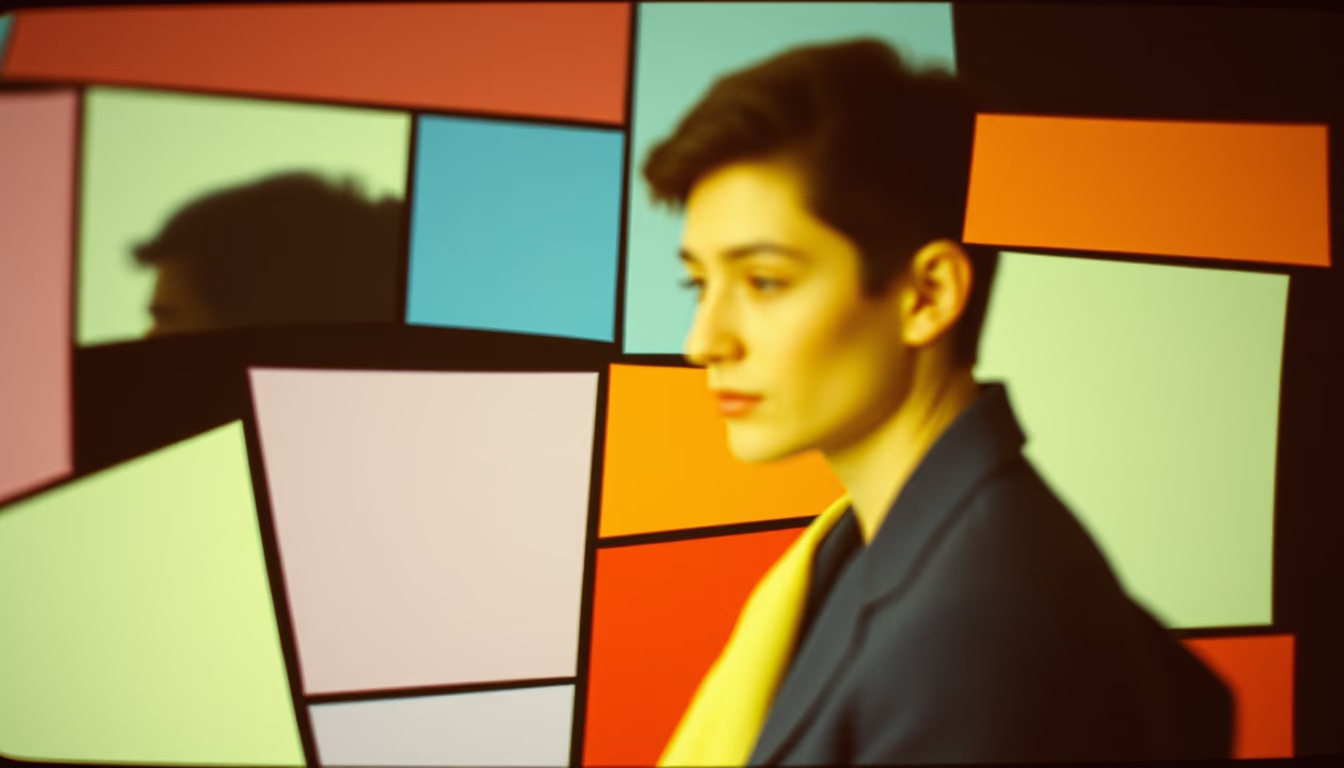
Cubist abstract picasso style
1344×768 · AVIF · CC BY 4.0
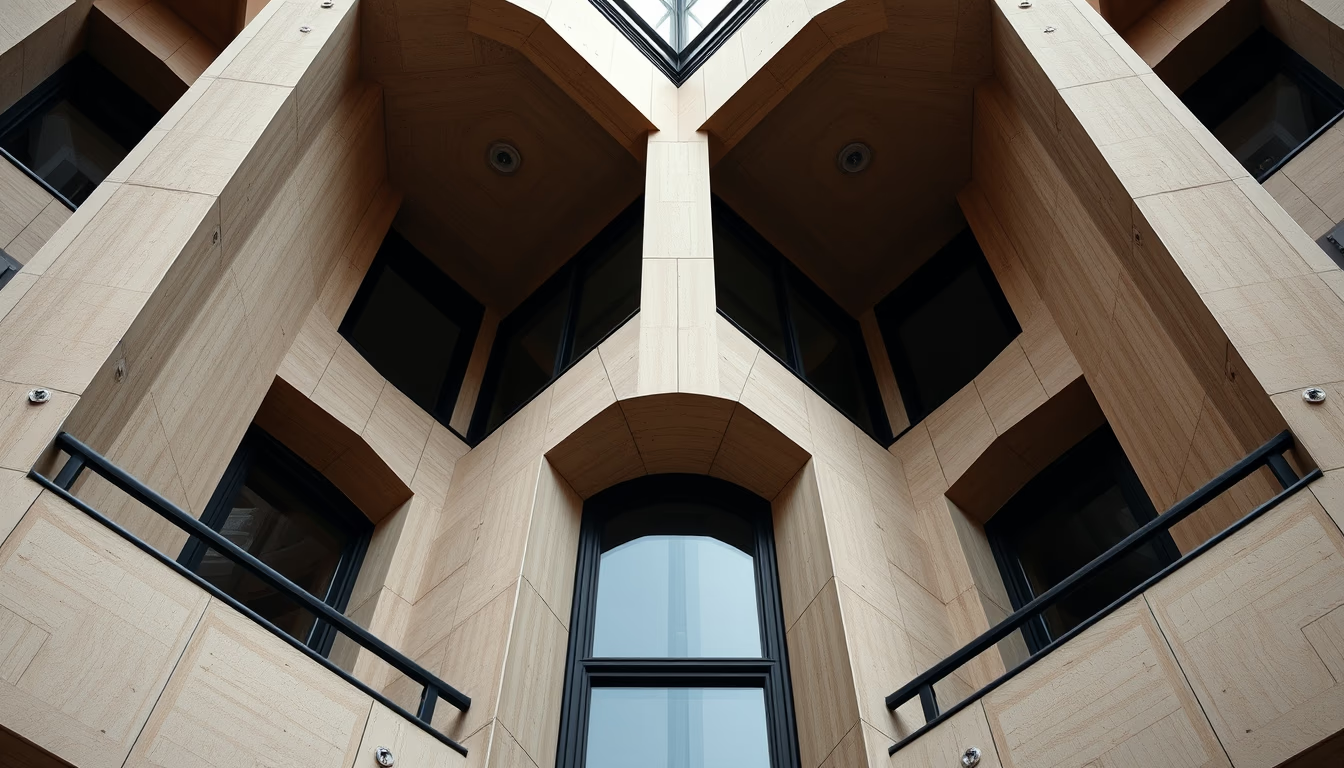
Cubism, revolutionized by Picasso, fragments three-dimensional forms into geometric planes, influencing from painting to contemporary architectural photography.
About this subject
Cubism emerged in the early 20th century as a radical break from traditional representation. Pablo Picasso and Georges Braque pioneered the movement, challenging Renaissance perspective by depicting objects from multiple angles simultaneously. In cubist painting, reality is decomposed into geometric forms, sober colors, and overlapping planes, creating a new visual language. This approach not only transformed visual arts but also paved the way for movements such as abstractionism and constructivism.
In contemporary architectural photography, cubist aesthetics find resonance. Photographers explore lines, angles, and volumes of buildings to compose images reminiscent of Picasso’s canvases. By capturing facades from unusual angles or highlighting structural fragments, they create abstract compositions that reveal the hidden geometry of constructions. The technique of multiple perspectives, typical of cubism, is adapted in digital collages or in framings that suggest dynamism and depth.
Beyond direct influence on photography, Picasso’s cubism inspired the design of many modernist buildings. Architects like Le Corbusier incorporated cubist principles into their projects, prioritizing pure geometric forms and the interplay of light and shadow. Cubist abstraction also permeates interior and architectural detail photography, where patterns and textures are elevated to artistic elements.
Frequently Asked Questions
What characterizes cubism in painting?
Cubism is characterized by the fragmentation of objects into multiple geometric planes, use of neutral colors, and simultaneous representation of various viewing angles.
How did Picasso's cubism influence architectural photography?
Picasso inspired photographers to explore unconventional angles, geometric lines, and abstraction of volumes, resulting in compositions reminiscent of cubist works.
What were Picasso's contributions to cubism?
Picasso, along with Braque, created pieces like 'Les Demoiselles d'Avignon' and developed the collage technique, expanding the limits of visual representation.
Direct URL
https://pub-c7d6a6ea828543ac903a74a341ccb2e1.r2.dev/imagens/cubist-abstract-picasso-style-architectural-photography-fresh15.avifHow to credit
Include a visible link back to UtilizAí. Copy one of the snippets below:
<a href="https://xn--utiliza-eza.com/en/midia/imagens/cubist-abstract-picasso-style-architectural-photography-fresh15">Cubist abstract picasso style</a> by <a href="https://xn--utiliza-eza.com">UtilizAí</a>, licensed under <a href="https://creativecommons.org/licenses/by/4.0/">CC BY 4.0</a>.
[Cubist abstract picasso style](https://xn--utiliza-eza.com/en/midia/imagens/cubist-abstract-picasso-style-architectural-photography-fresh15) by [UtilizAí](https://xn--utiliza-eza.com), CC BY 4.0
License: CC-BY-4.0