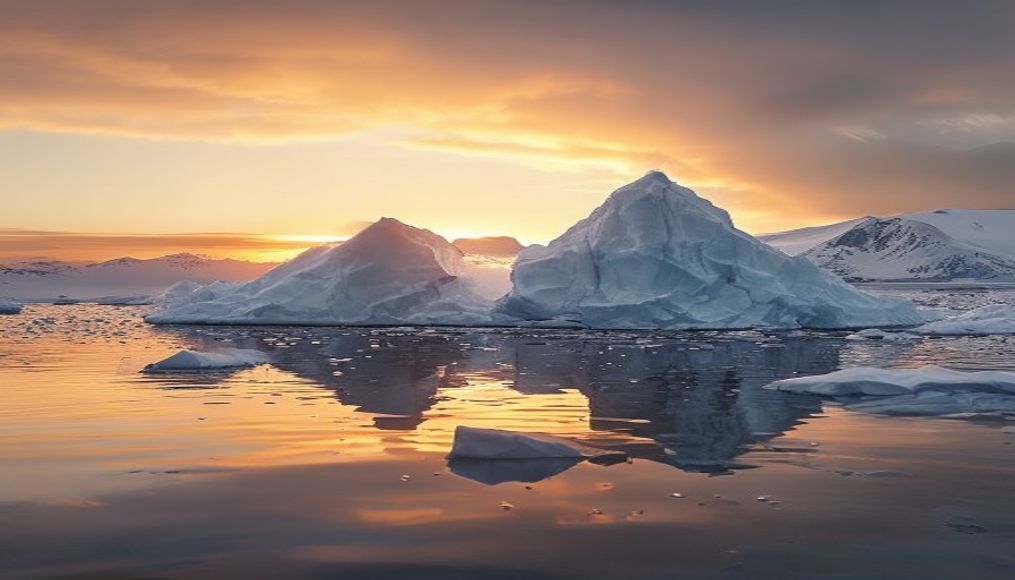
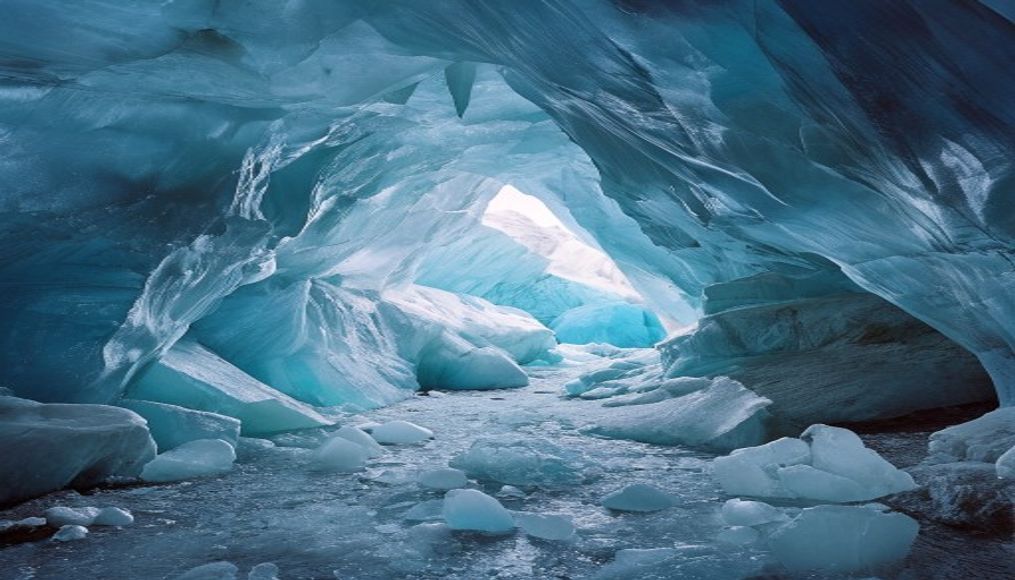
Crevasse glacier deep
1344×768 · AVIF · CC BY 4.0
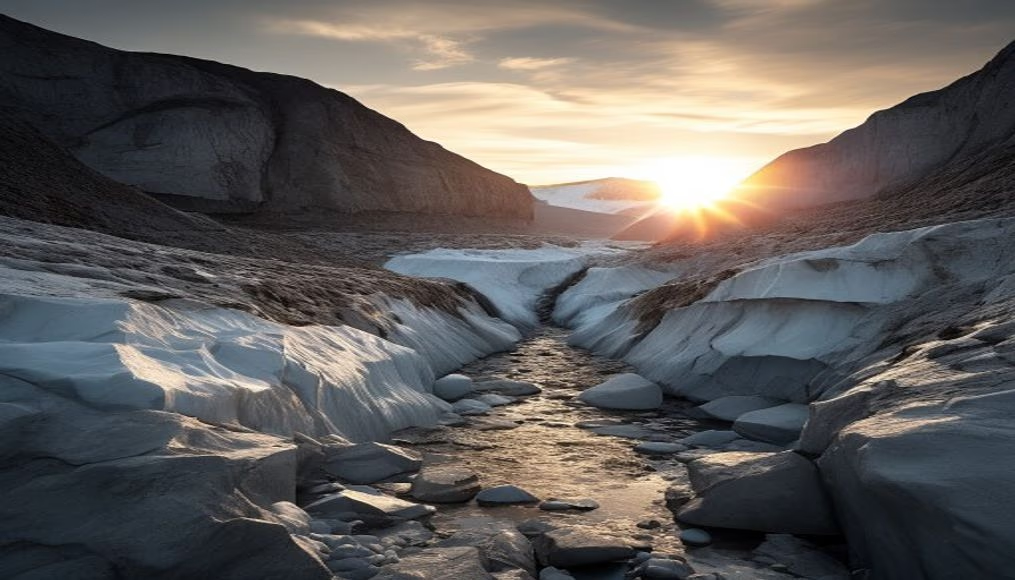
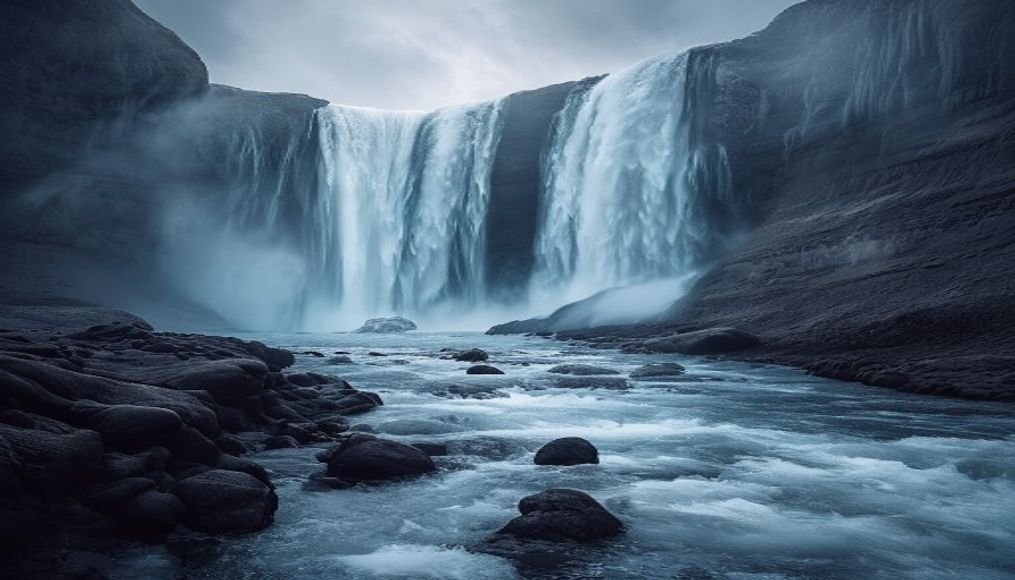
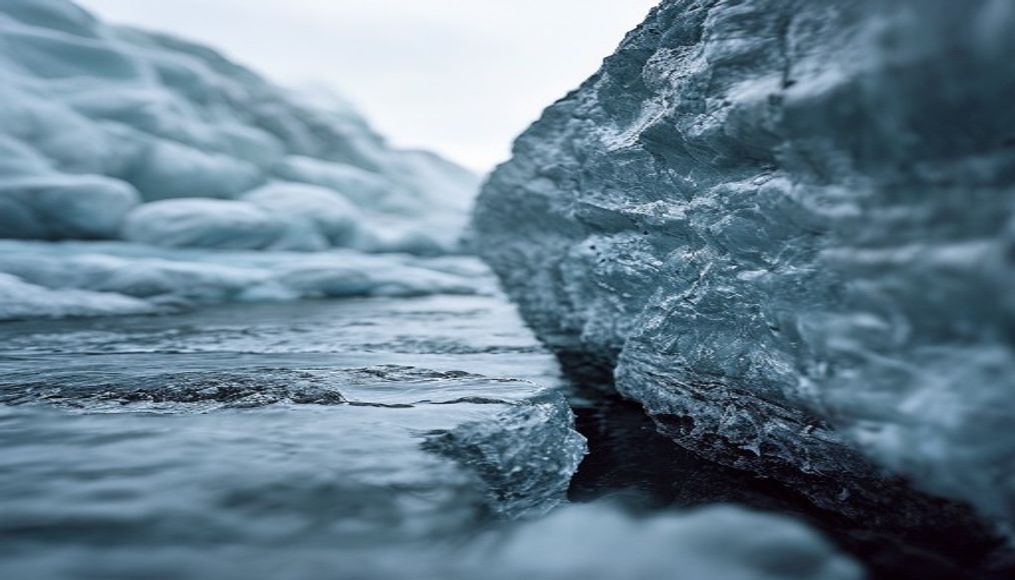
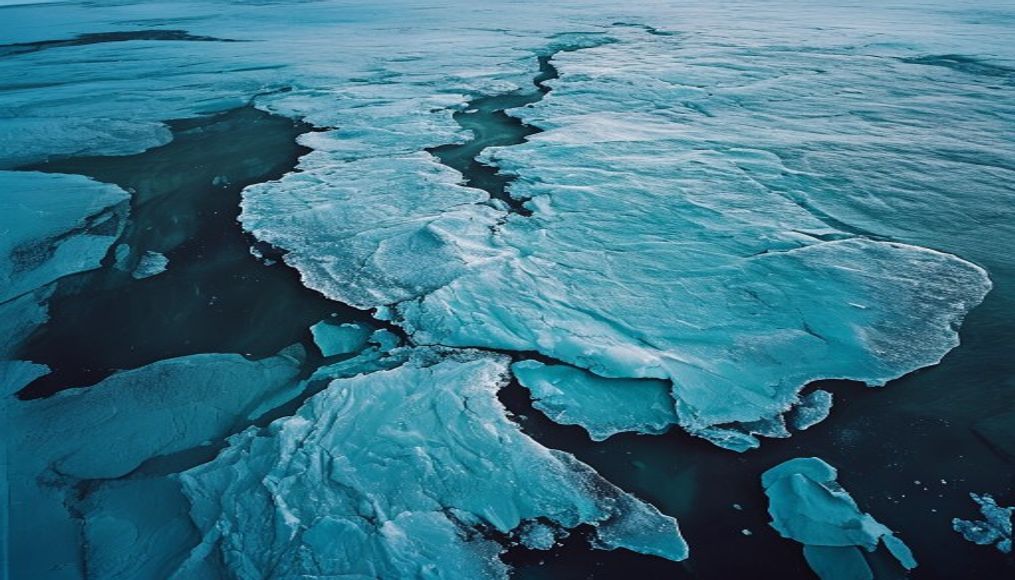
Deep and imposing crevasses are fissures in glaciers formed by ice movement, posing significant hazards for explorers.
About this subject
Crevasses are deep fractures that occur on glacier surfaces, resulting from tensile stress and differential movement of ice. They form when the ice layer flows over irregular terrain or when flow speed varies across different parts of the glacier. These fissures can reach tens of meters in depth and width, being especially common in acceleration zones, such as glacier edges or steep drop areas. The intense blue color observed inside crevasses is due to selective light absorption by dense, bubble-free ice, which allows blue wavelengths to pass while absorbing others. This optical phenomenon makes the interior of crevasses visually striking.
There are different types of crevasses, classified by their orientation and formation mechanism. Longitudinal crevasses run parallel to ice flow, while transverse crevasses are perpendicular, typically in extensional areas. Marginal crevasses form along the sides due to friction with valley walls. In serac regions, like those in the Himalayas or Patagonia, ice breaks into unstable blocks, creating a labyrinth of dangerous crevasses. Studying crevasses is important for glaciology, as it provides insights into ice dynamics and climate change.
For mountaineers and researchers, crevasses represent one of the greatest hazards in glacial environments. Often hidden under a thin layer of snow, they can cause fatal falls. Crevasse rescue techniques, along with the use of ropes and crampons, are essential for safety. Additionally, global warming has increased crevasse formation in glaciers worldwide, accelerating iceberg calving and contributing to sea level rise. For instance, Thwaites Glacier in Antarctica shows massive crevasses that worry scientists regarding ice sheet stability.
Frequently Asked Questions
What causes crevasse formation in glaciers?
Crevasses form due to tensile stress in the ice, typically when the glacier moves over uneven terrain or in zones of accelerated flow. Ice, though brittle, deforms and cracks when stress exceeds its strength.
What is the average depth of a crevasse?
Depths can range from a few meters to over 50 meters. In very thick glaciers, like those in Antarctica, crevasses can reach hundreds of meters, but they are usually limited by compression zones at depth.
How do mountaineers avoid falling into crevasses?
They use ropes tied together (roped teams) and travel in known areas. They also use probes and crampons to detect snow-covered fissures. Training in crevasse rescue is essential.
Direct URL
https://pub-c7d6a6ea828543ac903a74a341ccb2e1.r2.dev/imagens/crevasse-glacier-deep-cinematic-wide-shot-p1.avifHow to credit
Include a visible link back to UtilizAí. Copy one of the snippets below:
<a href="https://xn--utiliza-eza.com/en/midia/imagens/crevasse-glacier-deep-cinematic-wide-shot-p1">Crevasse glacier deep</a> by <a href="https://xn--utiliza-eza.com">UtilizAí</a>, licensed under <a href="https://creativecommons.org/licenses/by/4.0/">CC BY 4.0</a>.
[Crevasse glacier deep](https://xn--utiliza-eza.com/en/midia/imagens/crevasse-glacier-deep-cinematic-wide-shot-p1) by [UtilizAí](https://xn--utiliza-eza.com), CC BY 4.0
License: CC-BY-4.0