Corn cob fresh harvest in farmer hands
1344×768 · AVIF · CC BY 4.0
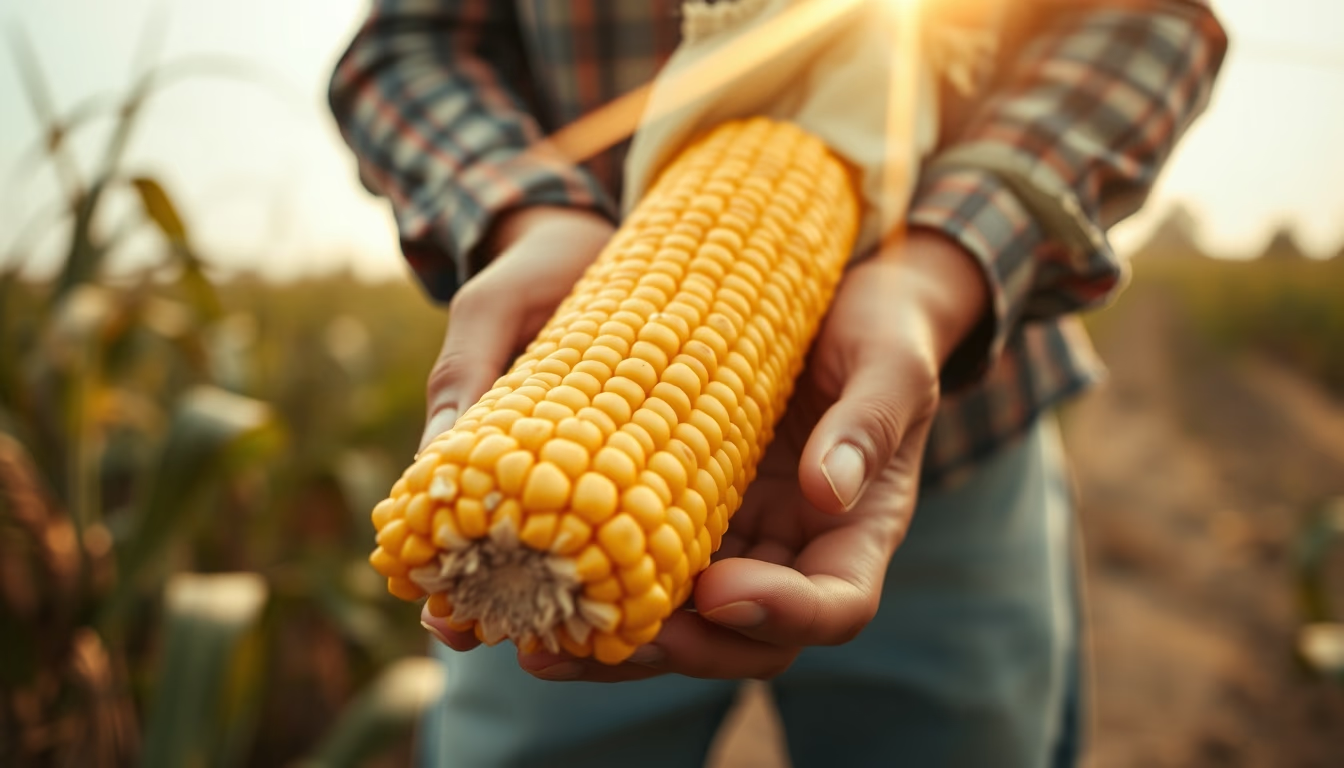
Fresh corn cob in farmer hands on an overcast day, depicting Brazilian agricultural production.
About this subject
Corn (Zea mays) is one of the most widely cultivated cereals in Brazil, with an annual harvest exceeding 100 million tons, according to the National Supply Company (Conab). The country is the third largest producer worldwide, behind only the United States and China. Corn is essential for human and animal food, as well as being a raw material for biofuels like ethanol. Manual harvesting, as shown in the image, is still common on small farms, especially in the South and Southeast regions, where family farming predominates. Green corn, harvested before full maturity, is consumed fresh, boiled or roasted, and is a typical ingredient in Brazilian June festivals.
The corn cob consists of kernels arranged in rows around a cob. Each cob can contain between 400 and 600 kernels, depending on the variety and growing conditions. In Brazil, main varieties include common corn, sweet corn (higher sugar content), and popcorn. Harvest usually occurs between January and April for the summer crop, and between June and September for the second crop (safrinha), planted after soybean harvest. The farmer in the image is likely performing manual harvesting for personal consumption or sale at local markets, a practice that values fresh produce and reduces post-harvest losses.
Corn cultivation in Brazil dates back to pre-colonial times, when indigenous peoples already planted the cereal in various regions. With the arrival of Europeans, corn spread throughout the territory and became a dietary staple, giving rise to dishes such as polenta, angu, and pamonha. Today, corn is also used in animal feed, being fundamental for pork and poultry chains. The state of Mato Grosso leads national production, followed by Paraná and Goiás. The image captures a moment of direct connection between the farmer and the fruit of his labor, symbolizing the importance of agribusiness for the Brazilian economy.
Frequently Asked Questions
What is the importance of corn in Brazilian agriculture?
Corn is one of the main products of Brazilian agribusiness, with an annual production exceeding 100 million tons. It is used for human and animal food, as well as a raw material for biofuels. Brazil is the third largest producer worldwide.
When does corn harvest occur in Brazil?
Corn harvest occurs in two main seasons: the summer crop between January and April, and the second crop (safrinha) between June and September. The safrinha is planted after soybean harvest and accounts for a large part of national production.
What does manual corn harvesting mean?
Manual harvesting is common on small farms and family agriculture. It allows selection of ripe ears, reduces losses, and is often used for personal consumption or sale at local markets, valuing fresh produce.
Direct URL
https://pub-c7d6a6ea828543ac903a74a341ccb2e1.r2.dev/imagens/corn-cob-fresh-harvest-in-farmer-hands-editorial-overcast-daytime.avifHow to credit
Include a visible link back to UtilizAí. Copy one of the snippets below:
<a href="https://xn--utiliza-eza.com/en/midia/imagens/corn-cob-fresh-harvest-in-farmer-hands-editorial-overcast-daytime">Corn cob fresh harvest in farmer hands</a> by <a href="https://xn--utiliza-eza.com">UtilizAí</a>, licensed under <a href="https://creativecommons.org/licenses/by/4.0/">CC BY 4.0</a>.
[Corn cob fresh harvest in farmer hands](https://xn--utiliza-eza.com/en/midia/imagens/corn-cob-fresh-harvest-in-farmer-hands-editorial-overcast-daytime) by [UtilizAí](https://xn--utiliza-eza.com), CC BY 4.0
License: CC-BY-4.0