Coral reef colorful fish
1344×768 · AVIF · CC BY 4.0
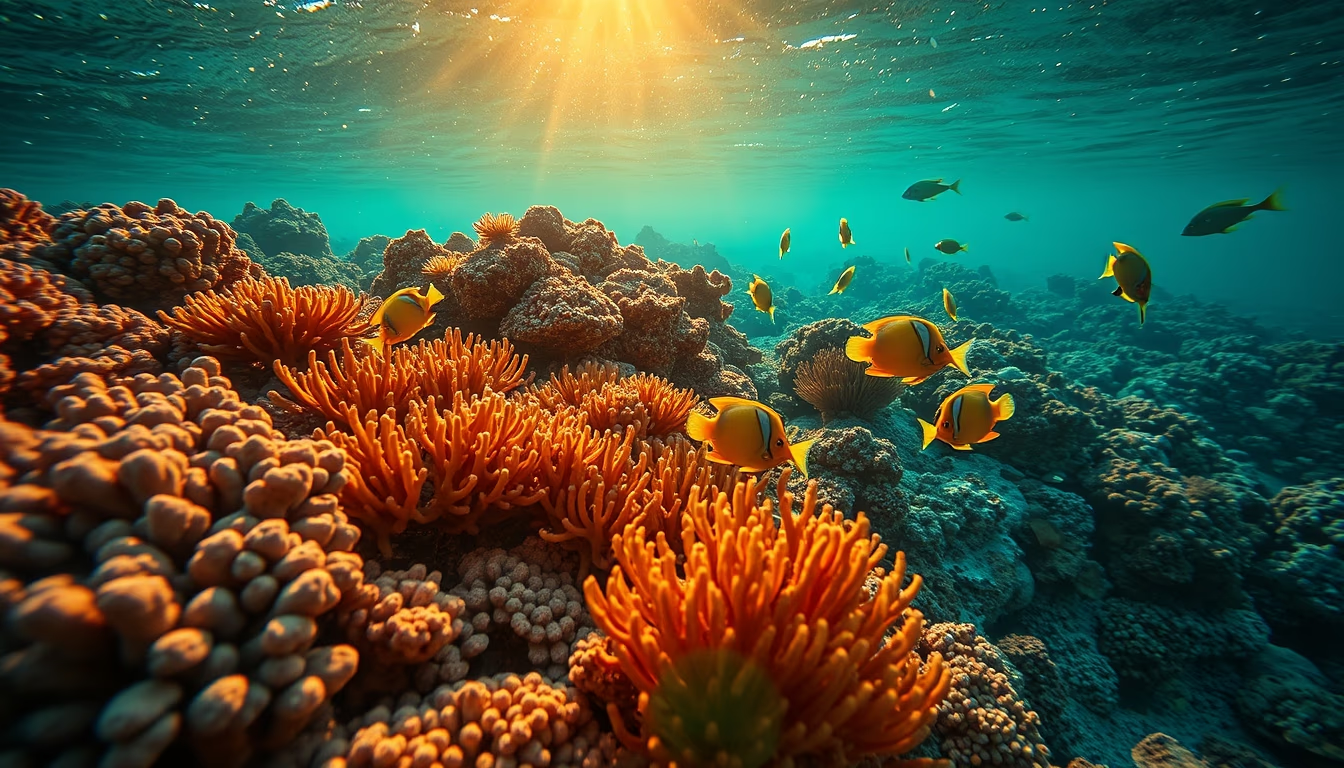
Coral reefs host a quarter of all marine life, forming one of the most diverse and productive ecosystems on Earth.
About this subject
Coral reefs are underwater structures built by colonies of tiny animals called coral polyps, which secrete calcium carbonate to form hard exoskeletons. Despite covering less than 1% of the ocean floor, they host about 25% of all known marine species, including thousands of colorful fish, mollusks, crustaceans, and echinoderms. This immense biodiversity is possible thanks to a symbiotic relationship between corals and zooxanthellae algae, which provide up to 90% of the corals' energy through photosynthesis.
Coral reefs are found in tropical and subtropical waters worldwide, with the Coral Triangle in Southeast Asia having the highest diversity of corals and fish. In Brazil, the Abrolhos Marine National Park in southern Bahia is the largest coral bank in the South Atlantic, featuring endemic species such as the brain coral and the goliath grouper. Fernando de Noronha also boasts highly biodiverse reefs, protected by crystal-clear waters and ocean currents that bring nutrients.
These ecosystems provide essential services: they protect coasts from erosion, supply fisheries resources for millions of people, and sustain tourism. However, they face serious threats like coral bleaching from warming waters, ocean acidification, and pollution. It is estimated that if current trends continue, 90% of reefs could disappear by 2050. Restoration efforts, such as coral gardening in underwater nurseries, have shown promising results in places like the Caribbean and Australia.
Despite these challenges, reefs still offer stunning backdrops for divers and photographers. The vibrant colors of clownfish, butterflyfish, and surgeonfish, combined with the undulating shapes of corals, create breathtaking underwater landscapes. Preserving these environments is crucial not only for biodiversity but also for the communities that depend on their health.
Frequently Asked Questions
Why are coral reefs so colorful?
The bright colors come mainly from zooxanthellae algae living inside coral tissues. These algae perform photosynthesis and produce pigments that give corals vibrant yellows, greens, blues, and reds. Fish and invertebrates also display vivid colors for camouflage, communication, or warning predators.
What causes coral bleaching?
Coral bleaching happens when thermal stress (water that is too warm) makes corals expel their zooxanthellae, losing color and their main energy source. If conditions do not improve, the coral may die. Other factors like pollution and ocean acidification also contribute.
Where are the best coral reefs for diving in Brazil?
The top destinations are the Abrolhos Marine National Park (Bahia) and the Fernando de Noronha Archipelago (Pernambuco). Abrolhos features unique 'chapeirões' formations, while Noronha offers crystal-clear waters and high fish diversity.
Direct URL
https://pub-c7d6a6ea828543ac903a74a341ccb2e1.r2.dev/imagens/coral-reef-colorful-fish-travel-photography-p0.avifHow to credit
Include a visible link back to UtilizAí. Copy one of the snippets below:
<a href="https://xn--utiliza-eza.com/en/midia/imagens/coral-reef-colorful-fish-travel-photography-p0">Coral reef colorful fish</a> by <a href="https://xn--utiliza-eza.com">UtilizAí</a>, licensed under <a href="https://creativecommons.org/licenses/by/4.0/">CC BY 4.0</a>.
[Coral reef colorful fish](https://xn--utiliza-eza.com/en/midia/imagens/coral-reef-colorful-fish-travel-photography-p0) by [UtilizAí](https://xn--utiliza-eza.com), CC BY 4.0
License: CC-BY-4.0