Coral reef colorful fish
1344×768 · AVIF · CC BY 4.0
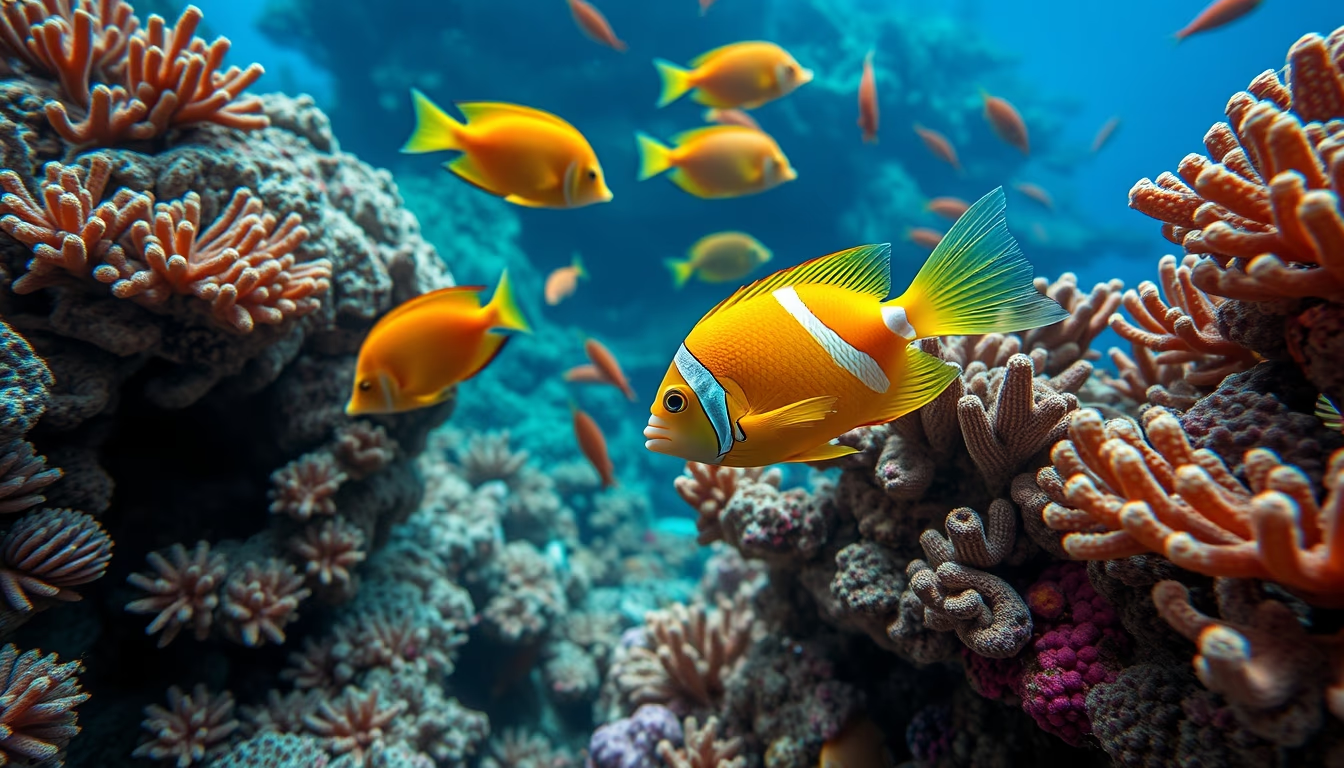
Coral reefs host the highest diversity of colorful fish in the ocean, such as clownfish and parrotfish, which are essential for marine balance.
About this subject
Coral reefs are underwater ecosystems known as the rainforests of the sea, hosting about 25% of all marine species despite covering less than 1% of the ocean floor. Among their most iconic inhabitants are colorful fish, which use vibrant hues for communication, camouflage, or predator warnings. The clownfish, famous for its symbiotic relationship with sea anemones, and the parrotfish, which contributes to white sand formation by scraping algae off coral, are classic examples.
The Great Barrier Reef in Australia and the Tubbataha Reef in the Philippines are among the places with the highest concentration of these fish. In Brazil, the Fernando de Noronha Marine National Park and the Rocas Atoll protect species like the surgeonfish and angelfish. Intense coloration is often linked to diet: fish that consume sponges or corals accumulate pigments that reflect in their scales.
Beyond beauty, these fish play critical ecological roles. Parrotfish, for instance, control algae growth that could smother corals. A single parrotfish can produce up to 90 kg of sand per year. Clownfish defend their anemone from predators in exchange for shelter. Reef loss due to global warming and pollution directly threatens these species, making conservation urgent.
Interestingly, many fish change color throughout life or during reproduction. The queen angelfish displays different colors as a juvenile versus an adult, a strategy to reduce resource competition. Studies show that fish vision is adapted to perceive colors in the ultraviolet spectrum, invisible to humans, suggesting these environments are even more colorful than we imagine.
Frequently Asked Questions
Why are reef fish so colorful?
Colors serve for camouflage, communication, predator warnings, or mate attraction. Some fish obtain pigments from their diet, such as sponges and corals.
What is the ecological importance of colorful fish on reefs?
They control algae growth (e.g., parrotfish), maintain coral health, and engage in essential symbioses, like clownfish with sea anemones.
Where can I see colorful reef fish in Brazil?
In protected areas such as Fernando de Noronha, Rocas Atoll, and Abrolhos. These sites host species like surgeonfish, angelfish, and parrotfish.
Direct URL
https://pub-c7d6a6ea828543ac903a74a341ccb2e1.r2.dev/imagens/coral-reef-colorful-fish-national-geographic-style-p1.avifHow to credit
Include a visible link back to UtilizAí. Copy one of the snippets below:
<a href="https://xn--utiliza-eza.com/en/midia/imagens/coral-reef-colorful-fish-national-geographic-style-p1">Coral reef colorful fish</a> by <a href="https://xn--utiliza-eza.com">UtilizAí</a>, licensed under <a href="https://creativecommons.org/licenses/by/4.0/">CC BY 4.0</a>.
[Coral reef colorful fish](https://xn--utiliza-eza.com/en/midia/imagens/coral-reef-colorful-fish-national-geographic-style-p1) by [UtilizAí](https://xn--utiliza-eza.com), CC BY 4.0
License: CC-BY-4.0