Coral reef colorful fish
1344×768 · AVIF · CC BY 4.0
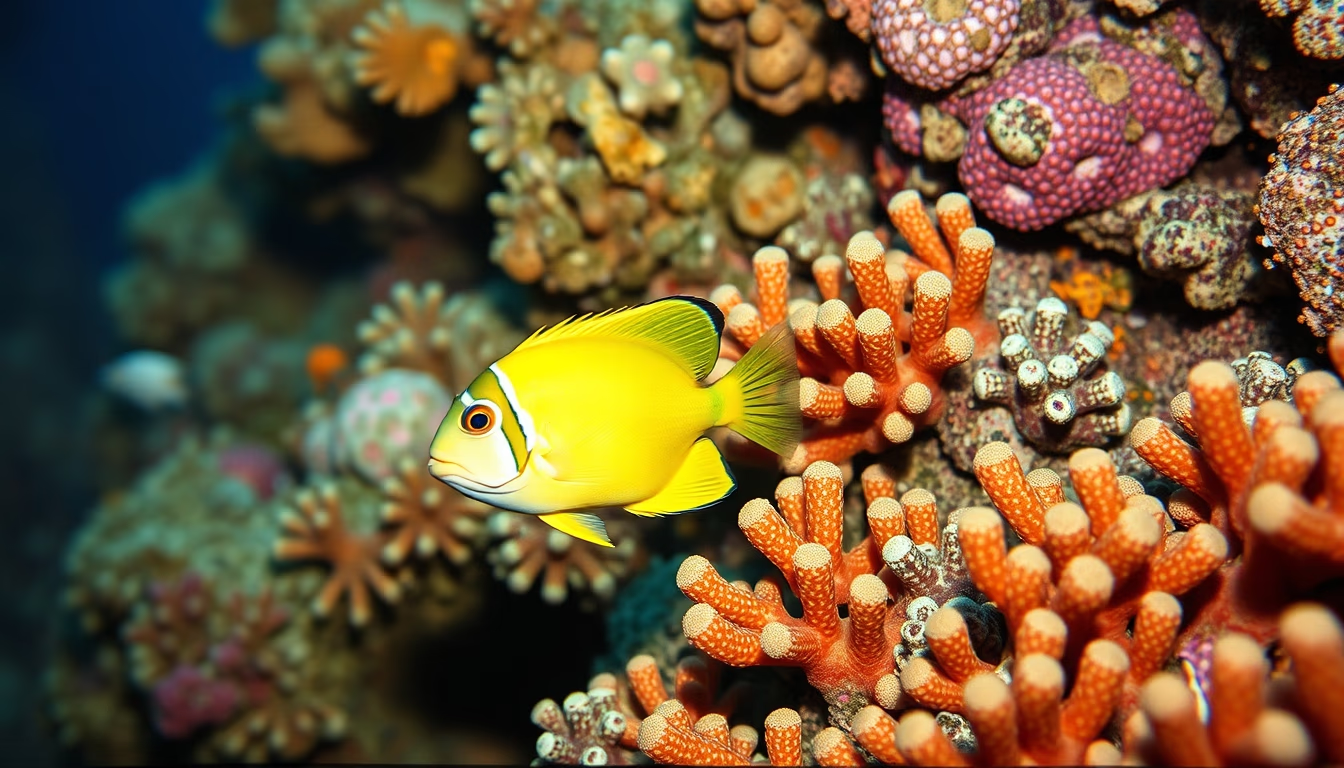
Coral reefs host an astounding diversity of colorful fish, forming one of the richest ecosystems on the planet.
About this subject
Coral reefs are underwater structures built by colonies of coral polyps that secrete calcium carbonate. Although they cover less than 1% of the ocean floor, they host about 25% of all known marine species, including thousands of colorful fish. These fish, such as clownfish (Amphiprioninae), parrotfish (Scaridae), and angelfish (Pomacanthidae), display vibrant colors that serve critical functions: camouflage, intraspecific communication, and warning signals to predators about toxicity or danger.
The color diversity of reef fish is directly linked to habitat complexity. Each species occupies a specific ecological niche and contributes to reef health. For instance, parrotfish feed on algae and dead coral, producing fine sand that helps replenish sediments. Clownfish maintain a symbiotic relationship with sea anemones, gaining protection from predators while providing food scraps to the anemone. These interactions form an intricate food web that sustains the entire ecosystem.
Despite their evolutionary resilience, coral reefs face growing threats from human activities. Global warming causes coral bleaching, a phenomenon where polyps expel their symbiotic zooxanthellae algae, losing color and energy source. Ocean acidification, pollution, and overfishing also degrade these environments. An estimated 75% of the world's reefs are currently threatened, endangering not only biodiversity but also the livelihoods of millions who depend on coastal fishing and tourism.
Interestingly, fish colors can vary with depth and light availability. In shallow waters, blues and greens dominate, blending with sunlight; at greater depths, reds and oranges are absorbed, making fish appear darker. Some species change color during maturation or under stress, a phenomenon still studied by marine biologists. Preserving these ecosystems is urgent, and initiatives such as marine protected areas and coral restoration offer hope for maintaining this underwater explosion of life.
Frequently Asked Questions
Why are coral reef fish so colorful?
Their vibrant colors serve camouflage, intraspecific communication, and warning signals to predators about toxicity or danger. Each hue is adapted to the reef's light environment.
What is the importance of coral reefs for the planet?
Reefs host about 25% of marine biodiversity, protect coastlines from erosion, provide food and income for millions of people, and are sources of compounds for medicines.
How do climate changes affect coral reefs?
Rising water temperatures cause coral bleaching, where corals expel their symbiotic algae and may die. Ocean acidification also hinders their ability to build calcium carbonate skeletons.
Direct URL
https://pub-c7d6a6ea828543ac903a74a341ccb2e1.r2.dev/imagens/coral-reef-colorful-fish-lo-fi-disposable-camera-p5.avifHow to credit
Include a visible link back to UtilizAí. Copy one of the snippets below:
<a href="https://xn--utiliza-eza.com/en/midia/imagens/coral-reef-colorful-fish-lo-fi-disposable-camera-p5">Coral reef colorful fish</a> by <a href="https://xn--utiliza-eza.com">UtilizAí</a>, licensed under <a href="https://creativecommons.org/licenses/by/4.0/">CC BY 4.0</a>.
[Coral reef colorful fish](https://xn--utiliza-eza.com/en/midia/imagens/coral-reef-colorful-fish-lo-fi-disposable-camera-p5) by [UtilizAí](https://xn--utiliza-eza.com), CC BY 4.0
License: CC-BY-4.0