Coral reef colorful fish
1344×768 · AVIF · CC BY 4.0
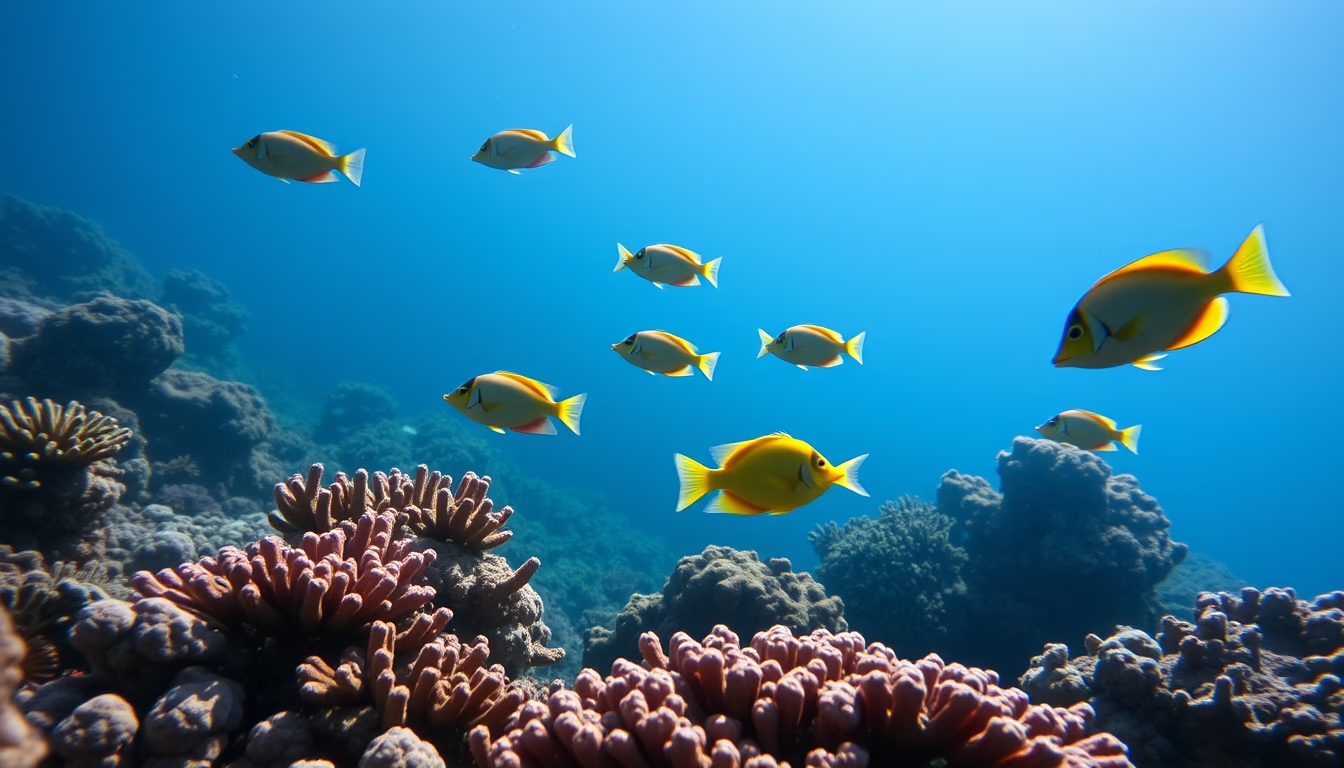
Coral reefs host one of the highest marine biodiversities, with colorful fish playing vital ecological roles.
About this subject
Coral reefs are highly productive marine ecosystems, often called the 'rainforests of the sea'. They cover less than 1% of the ocean floor yet support about 25% of all known marine species. Colorful reef fish such as clownfish, angelfish, and butterflyfish are not only visually stunning; each has specific adaptations for feeding, reproduction, and defense, contributing to the ecosystem's balance.
The Great Barrier Reef in Australia is the largest reef system in the world, stretching over 2,300 kilometers. Other significant reefs include the Belize Barrier Reef, the Red Sea, and the Coral Triangle in Southeast Asia. In Brazil, the only coral reefs in the South Atlantic are the Abrolhos Bank, which hosts endemic species like the Brazilian damselfish (Stegastes fuscus) and exclusive corals.
Reef fish exhibit an incredible variety of colors and patterns, serving functions such as camouflage, communication, or predator warning. For instance, the clownfish (Amphiprioninae) lives in symbiosis with anemones, protected by its orange and white coloration. The surgeonfish (Acanthuridae) displays blue and yellow stripes that can confuse predators or signal territory.
Unfortunately, these ecosystems are threatened by global warming, pollution, overfishing, and ocean acidification. Coral bleaching events, caused by rising water temperatures, have become more frequent, leading to habitat loss for fish. Conserving reefs is crucial not only for biodiversity but also for millions of people who depend on them for food, tourism, and coastal protection.
Frequently Asked Questions
Why are reef fish so colorful?
Bright colors aid in camouflage within the complex reef structure, communication (e.g., attracting mates), and warning predators about toxicity or spines.
What is the importance of coral reefs for the environment?
They protect coastlines from erosion, host 25% of marine life, and support fisheries and tourism in tropical regions. They are also potential sources of pharmaceutical compounds.
What is causing coral bleaching?
The main driver is rising sea surface temperatures due to climate change, which stresses corals and expels the symbiotic algae (zooxanthellae) that provide their color and nutrients.
Direct URL
https://pub-c7d6a6ea828543ac903a74a341ccb2e1.r2.dev/imagens/coral-reef-colorful-fish-documentary-photography-p6.avifHow to credit
Include a visible link back to UtilizAí. Copy one of the snippets below:
<a href="https://xn--utiliza-eza.com/en/midia/imagens/coral-reef-colorful-fish-documentary-photography-p6">Coral reef colorful fish</a> by <a href="https://xn--utiliza-eza.com">UtilizAí</a>, licensed under <a href="https://creativecommons.org/licenses/by/4.0/">CC BY 4.0</a>.
[Coral reef colorful fish](https://xn--utiliza-eza.com/en/midia/imagens/coral-reef-colorful-fish-documentary-photography-p6) by [UtilizAí](https://xn--utiliza-eza.com), CC BY 4.0
License: CC-BY-4.0