Cocoa beans drying
1344×768 · AVIF · CC BY 4.0
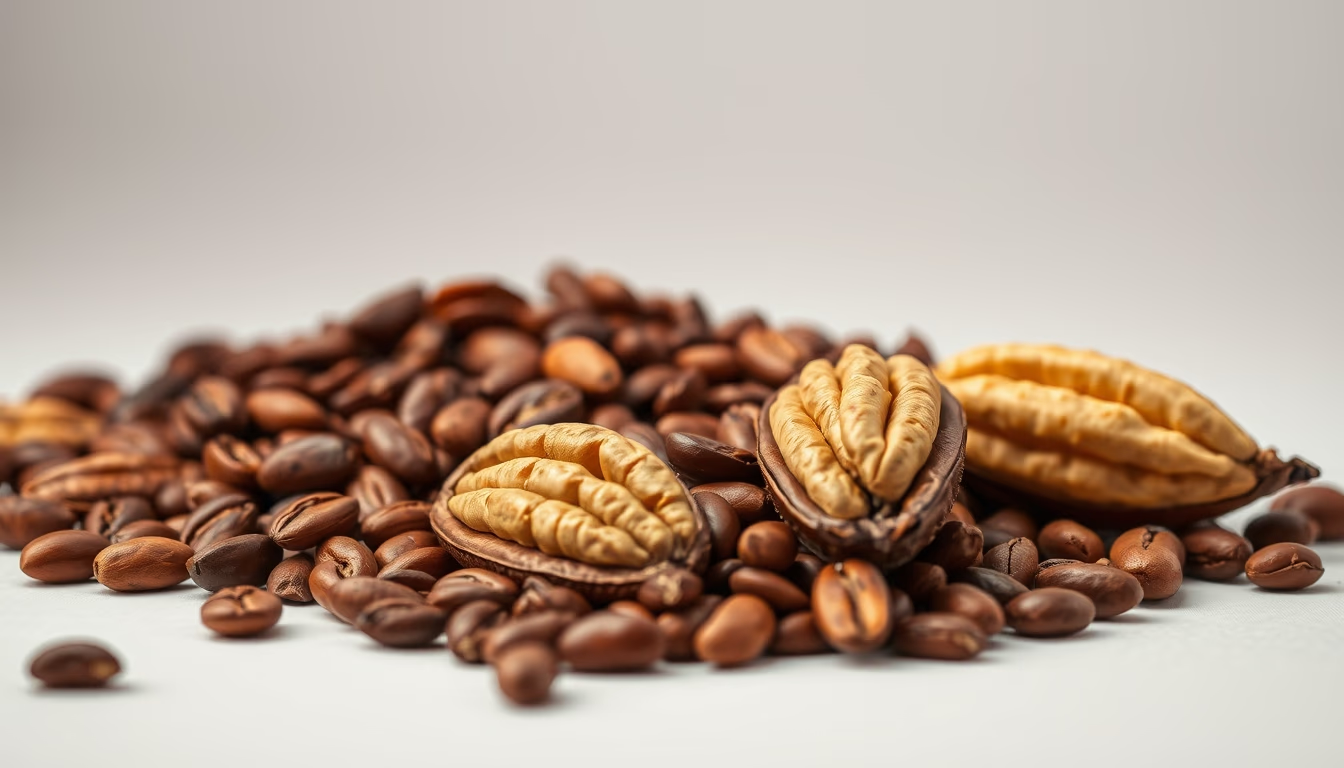
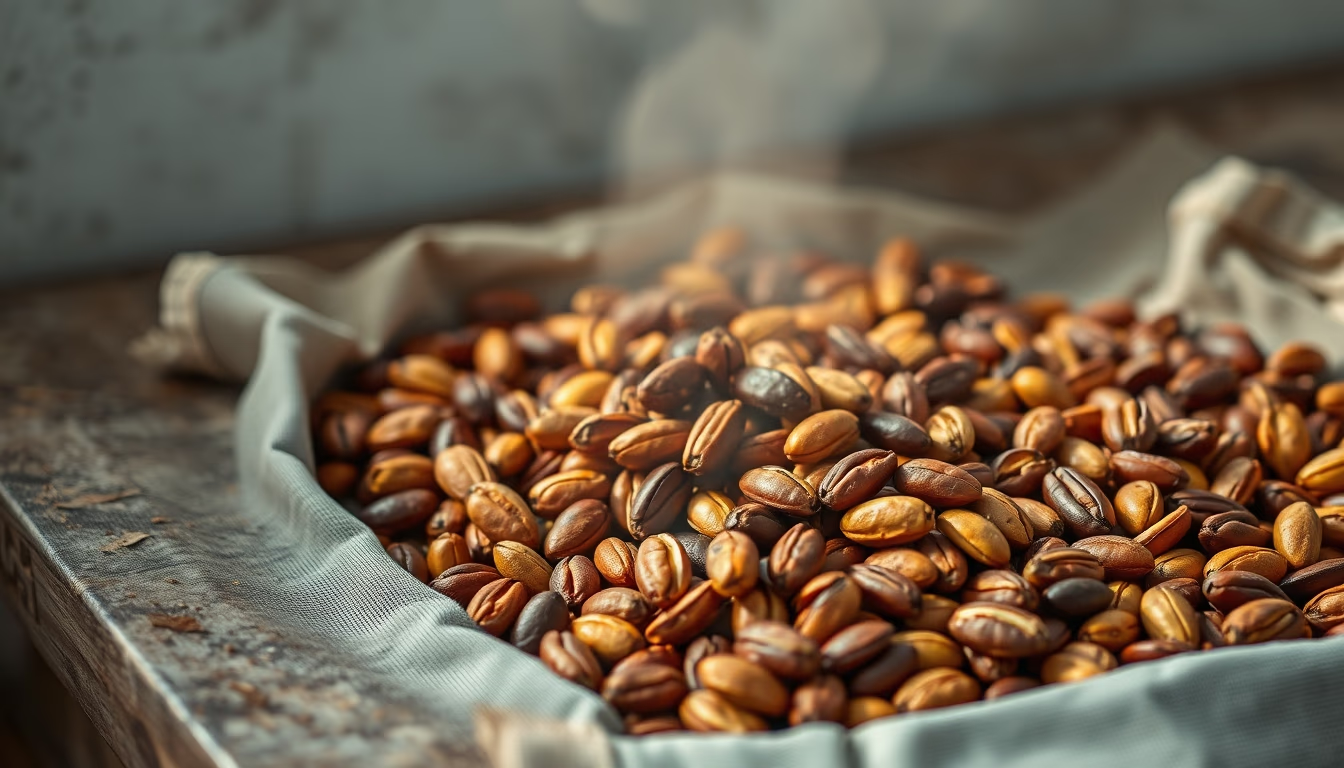
Drying cocoa beans is an essential step for developing chocolate flavor, reducing moisture and preventing mold.
About this subject
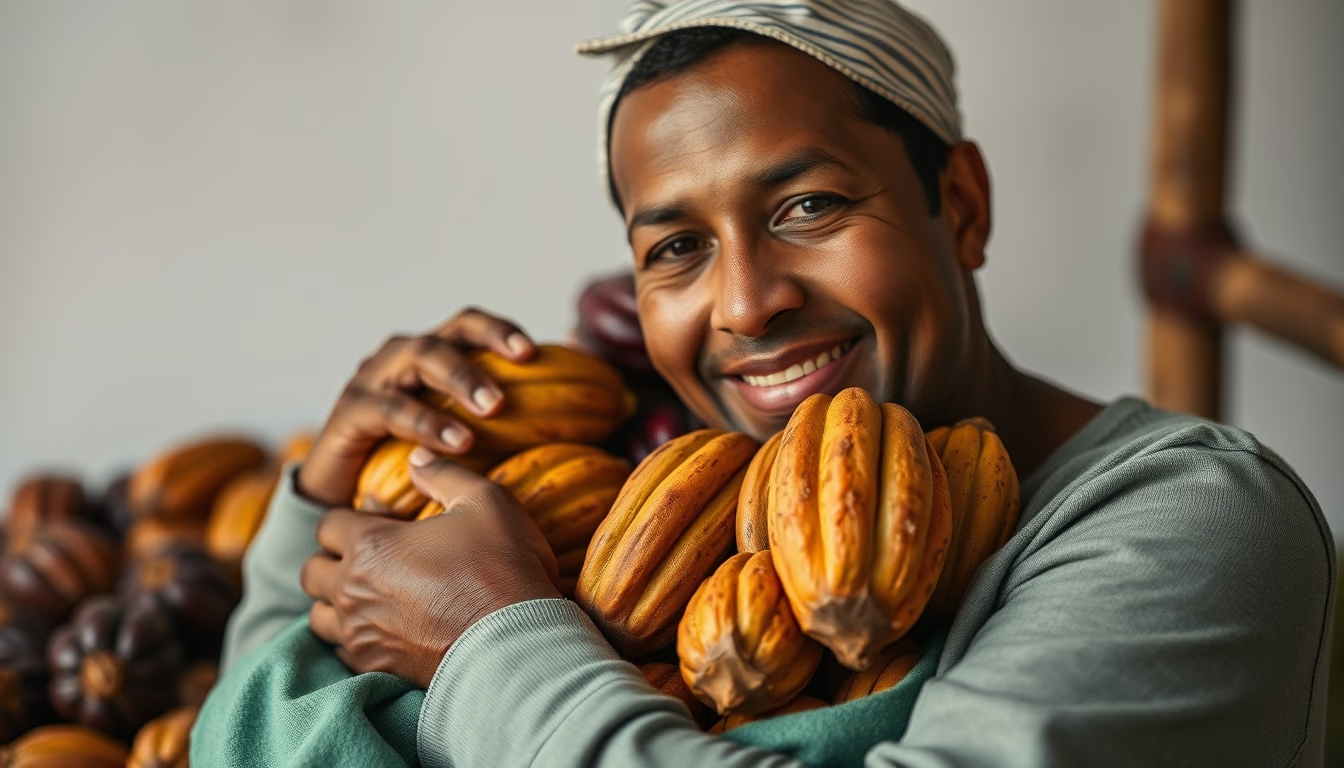
After harvest, cocoa pods are opened, and the seeds (beans) are removed and fermented for five to seven days. Fermentation removes the sweet pulp and initiates the chemical reactions that develop chocolate's flavor precursors. Next, the beans are spread under the sun or in mechanical dryers to reduce moisture content from about 60% to approximately 7.5%. This reduction is crucial to stop fermentation, prevent the growth of undesirable microorganisms, and stabilize the beans for storage and transport.
Sun drying, the most traditional and economically viable method in producing countries such as Côte d'Ivoire, Ghana, and Brazil, takes five to ten days. Beans are laid in thin layers on mats, bamboo trays, or concrete patios and turned periodically to ensure even drying. At night or during rain, they are covered or moved indoors to avoid rehydration, which would compromise quality. In regions with high humidity, artificial hot-air dryers are used, but temperature must be carefully controlled (not exceeding 60°C) to avoid damaging sensory characteristics.
The drying stage directly influences the acidity, bitterness, and aroma profile of the final chocolate. Beans dried too quickly retain excessive acidity and astringency; overly slow drying may allow off-flavors like mold or earth to develop. Experienced producers check moisture with a break test: a well-dried bean snaps crisply, while a moist one bends. The bean's shell also acquires a characteristic reddish-brown color. This process is a fundamental part of cacao tradition, passed down through generations of family farmers in tropical regions.
Interestingly, drying also creates opportunities for beneficial bacteria and fungi to contribute to flavor complexity, similar to cheese aging. On some farms, beans are dried on elevated wooden slat structures called “barbecues,” allowing air circulation both above and below. This method, common in Jamaica and Trinidad and Tobago, reduces drying time and improves uniformity. Awareness of the importance of this step has led cooperatives to invest in training and equipment to ensure the quality of fine cacao, which commands a premium in the specialty chocolate market.
Frequently Asked Questions
Why do cocoa beans need to be dried after fermentation?
Drying stops fermentation, reduces moisture to about 7.5%, preventing fungal and bacterial growth, and stabilizes the beans for storage. It also directly affects chocolate flavor by controlling acidity and bitterness.
How long does natural sun drying of cocoa beans take?
Sun drying typically takes five to ten days, depending on weather conditions. Beans are spread in thin layers and turned regularly to ensure even drying.
What happens if cocoa beans are not dried properly?
Improper drying can result in off-flavors such as moldy or earthy tastes, compromising chocolate quality. Moist beans may also develop mycotoxins and have a shorter shelf life.
Direct URL
https://pub-c7d6a6ea828543ac903a74a341ccb2e1.r2.dev/imagens/cocoa-beans-drying-studio-still-life-fresh5.avifHow to credit
Include a visible link back to UtilizAí. Copy one of the snippets below:
<a href="https://xn--utiliza-eza.com/en/midia/imagens/cocoa-beans-drying-studio-still-life-fresh5">Cocoa beans drying</a> by <a href="https://xn--utiliza-eza.com">UtilizAí</a>, licensed under <a href="https://creativecommons.org/licenses/by/4.0/">CC BY 4.0</a>.
[Cocoa beans drying](https://xn--utiliza-eza.com/en/midia/imagens/cocoa-beans-drying-studio-still-life-fresh5) by [UtilizAí](https://xn--utiliza-eza.com), CC BY 4.0
License: CC-BY-4.0