Cocoa beans drying
1344×768 · AVIF · CC BY 4.0
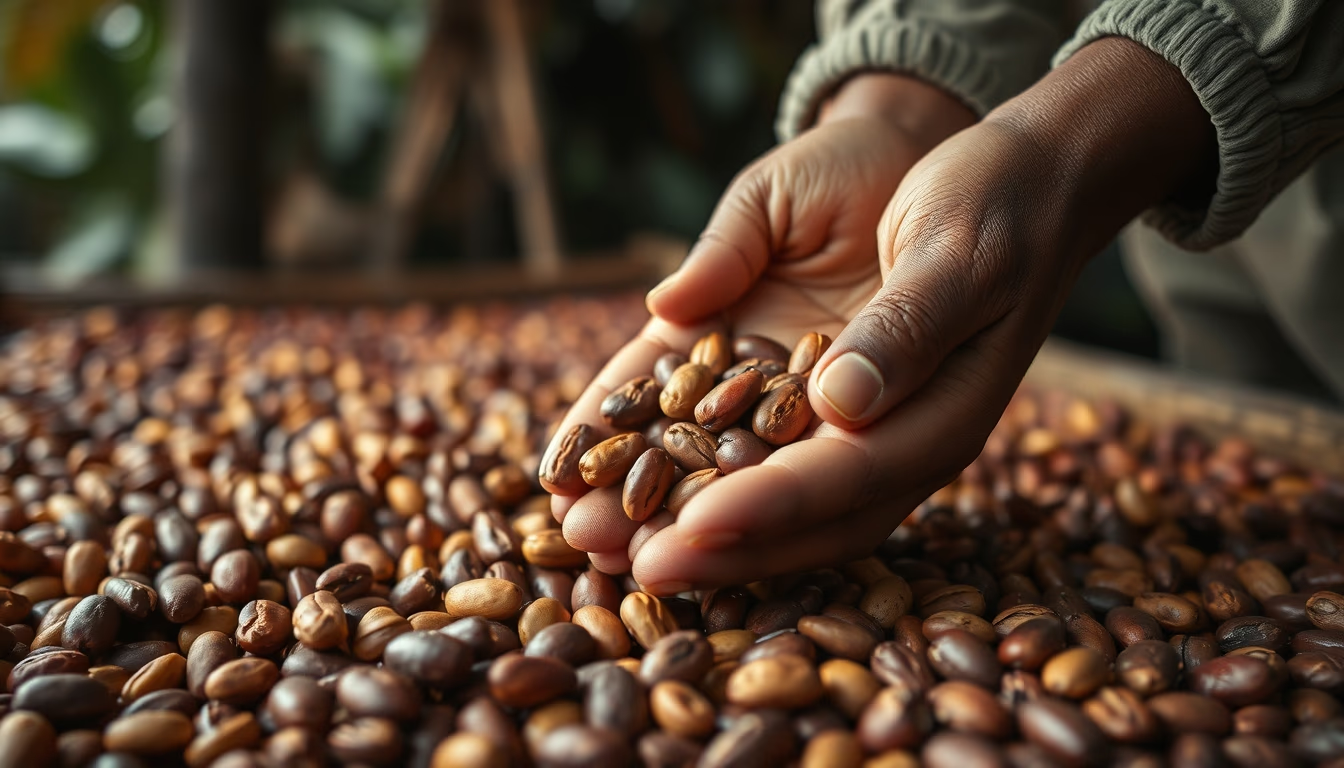
Cocoa beans undergo drying after fermentation, a crucial step for flavor development and mold prevention. Learn how this process shapes chocolate.
About this subject
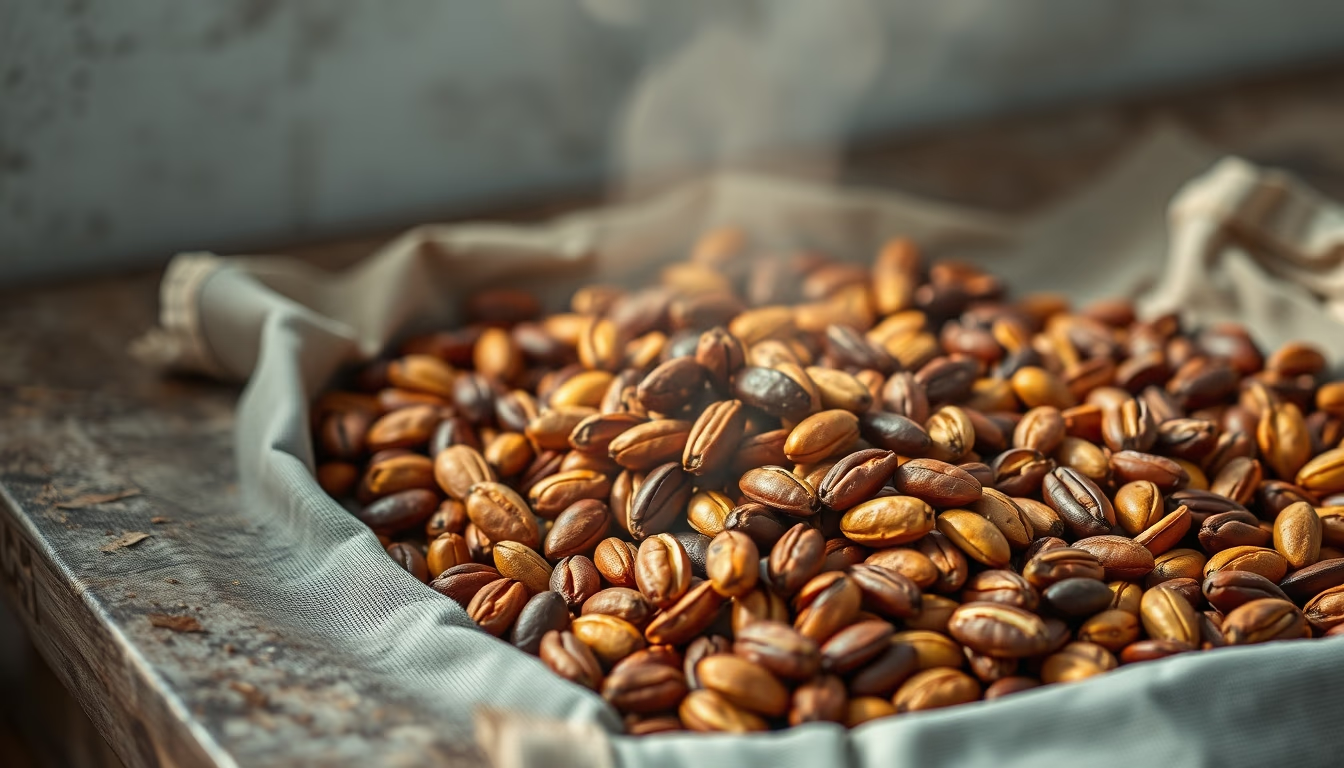
Drying cocoa beans is a post-harvest step that immediately follows fermentation. Fermented beans, still containing about 55% to 60% moisture, are spread in thin layers on mats, trays, or concrete patios, exposed to sunlight for 5 to 7 days. During this period, moisture content drops to around 7.5%, a safe level for storage and shipping. In Brazil, regions like southern Bahia and Pará combine traditional sun drying with mechanical dryers to cope with rainy spells.
Drying does more than remove water; it stops fermentation and triggers chemical reactions that develop flavor precursors. Properly dried beans exhibit fruity, floral, or classic chocolate notes, while over-drying or poor techniques lead to bitter, acidic, or moldy tastes. Skilled farmers turn the beans several times daily to ensure even exposure and prevent overheating, which can damage the bean embryo and lower quality.
Interestingly, drying time depends on climate and method. Humid areas favor artificial dryers at low temperatures (40 to 50°C), which accelerate the process without scorching the beans. Sun drying, more sustainable, requires consecutive sunny days. After drying, beans are bagged and stored in ventilated areas, ready for roasting. Final moisture is so critical that beans above 8% moisture are rejected by industry, as they promote fungal growth and mycotoxins.
The quality of Brazilian cocoa, especially the "fine flavor" type, heavily relies on careful drying practices. Cooperatives in the Amazon train farmers to monitor moisture with handheld meters, meeting export standards. With the rise of bean-to-bar chocolate, artisanal drying is again valued, reviving ancestral techniques that enhance the regional expression of cocoa.
Frequently Asked Questions
How long does cocoa bean drying take?
Sun drying typically takes 5 to 7 days, depending on weather and layer thickness. Mechanical dryers can complete the process in 24 to 48 hours at controlled temperatures between 40°C and 50°C.
Why is drying important for chocolate flavor?
Drying halts fermentation and enables chemical reactions that develop flavor precursors. Poorly dried beans yield sour, bitter, or musty flavors, while proper drying enhances fruity and chocolate notes.
What happens if cocoa beans are not dried properly?
Excess moisture promotes fungal growth and mycotoxin production, making beans unsafe. Sensory quality deteriorates, with off-flavors and risk of industrial rejection.
Direct URL
https://pub-c7d6a6ea828543ac903a74a341ccb2e1.r2.dev/imagens/cocoa-beans-drying-film-grain-authentic-fresh3.avifHow to credit
Include a visible link back to UtilizAí. Copy one of the snippets below:
<a href="https://xn--utiliza-eza.com/en/midia/imagens/cocoa-beans-drying-film-grain-authentic-fresh3">Cocoa beans drying</a> by <a href="https://xn--utiliza-eza.com">UtilizAí</a>, licensed under <a href="https://creativecommons.org/licenses/by/4.0/">CC BY 4.0</a>.
[Cocoa beans drying](https://xn--utiliza-eza.com/en/midia/imagens/cocoa-beans-drying-film-grain-authentic-fresh3) by [UtilizAí](https://xn--utiliza-eza.com), CC BY 4.0
License: CC-BY-4.0