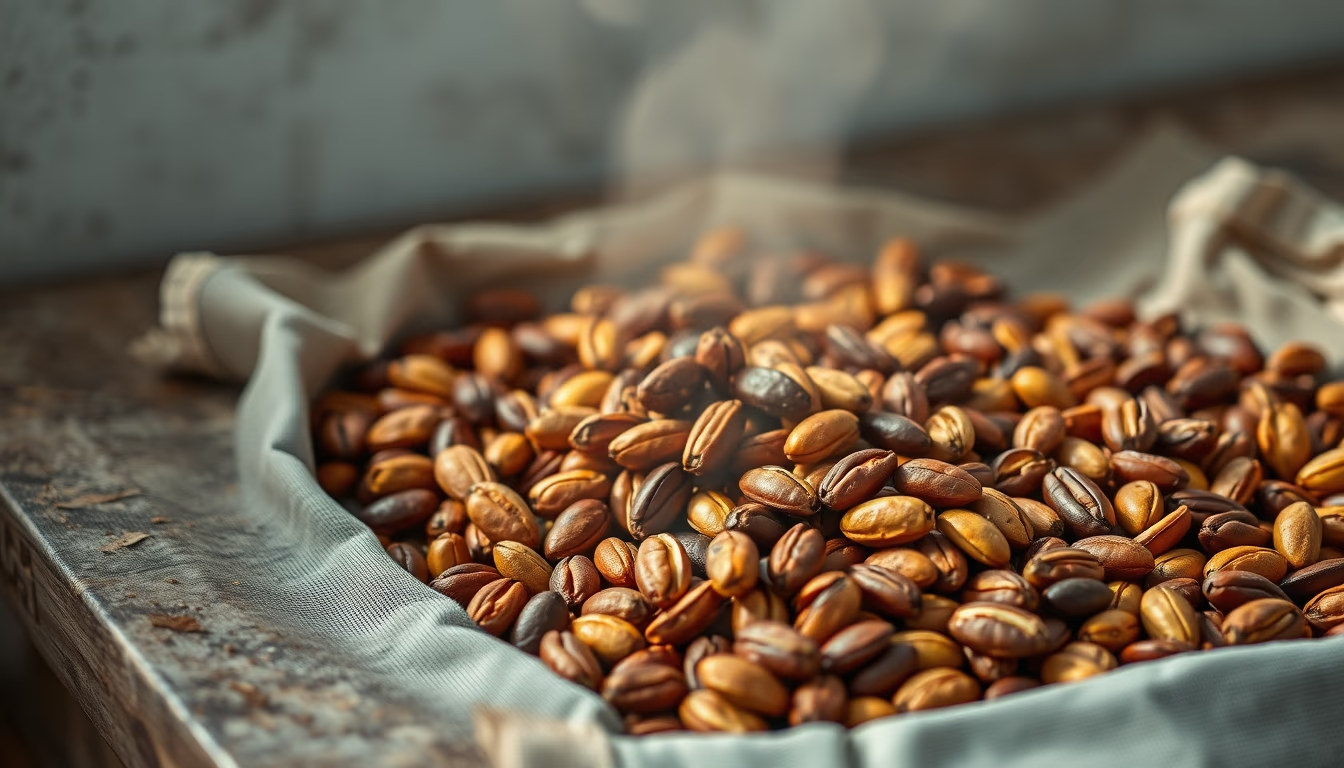
Cocoa beans drying
1344×768 · AVIF · CC BY 4.0
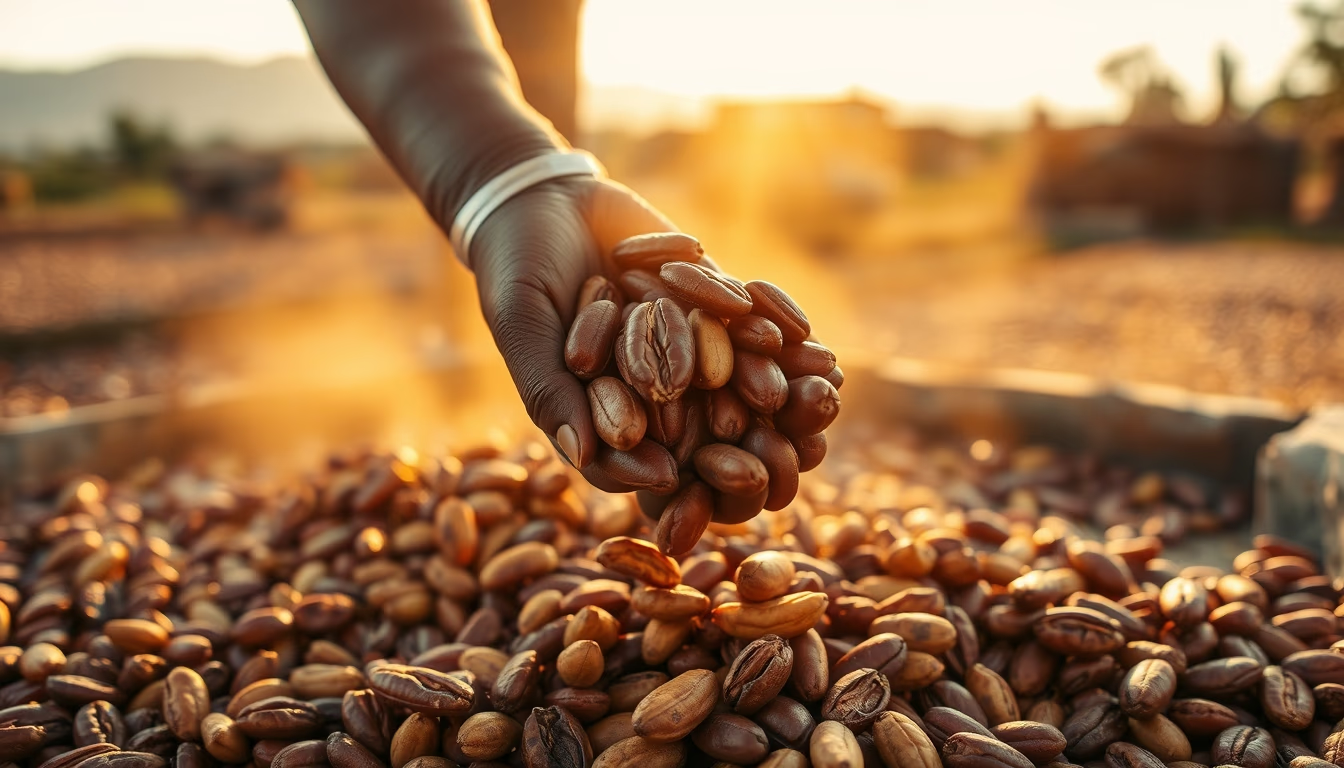
The drying process of cocoa beans is crucial for flavor development and preservation, reducing moisture from 60% to about 7%.
About this subject
After fermentation, moist cocoa beans undergo drying, a critical step for chocolate production. The initial moisture content of about 60% must be reduced to 7% to prevent fungal and bacterial growth. Traditional sun drying, common in countries like Ivory Coast and Ghana (which together produce over 60% of the world's cocoa), is done on mats or trays for 5 to 7 days. Beans are regularly turned to ensure uniformity.
Drying directly influences the sensory profile of chocolate. Chemical reactions during drying, such as oxidation of polyphenols and formation of flavor precursors like amino acids and reducing sugars, are key to the fruity and floral aroma of fine cocoa. In contrast, mechanical drying, used on large plantations, can be faster (24 to 48 hours) but requires precise temperature control to avoid scorching.
In Brazil, cocoa is historically grown in the southern region of Bahia, where sun drying is common. The country is the seventh largest global producer, with emphasis on 'criollo' and 'forasterio' cocoa varieties. Improper drying can result in moldy or smoky-flavored beans, compromising quality. Therefore, artisanal producers often use solar dryers with plastic covers to protect from rain.
Beyond the technical aspect, drying cocoa beans represents a moment of collective work in rural communities. In many regions, families gather to turn the beans while children help keep animals away. This simple yet crucial step preserves tradition and the quality of chocolate enjoyed worldwide.
Frequently Asked Questions
How long does sun drying of cocoa beans take?
Typically 5 to 7 days, depending on weather conditions. The beans are turned periodically to ensure even drying.
What is the ideal moisture content of cocoa beans after drying?
About 7% moisture. This level prevents mold growth and prepares the beans for storage and roasting.
Does drying affect the flavor of chocolate?
Yes, directly. During drying, chemical reactions form flavor precursors such as amino acids and reducing sugars, which are essential for the aroma of fine chocolate.
Direct URL
https://pub-c7d6a6ea828543ac903a74a341ccb2e1.r2.dev/imagens/cocoa-beans-drying-cinematic-wide-shot-fresh12.avifHow to credit
Include a visible link back to UtilizAí. Copy one of the snippets below:
<a href="https://xn--utiliza-eza.com/en/midia/imagens/cocoa-beans-drying-cinematic-wide-shot-fresh12">Cocoa beans drying</a> by <a href="https://xn--utiliza-eza.com">UtilizAí</a>, licensed under <a href="https://creativecommons.org/licenses/by/4.0/">CC BY 4.0</a>.
[Cocoa beans drying](https://xn--utiliza-eza.com/en/midia/imagens/cocoa-beans-drying-cinematic-wide-shot-fresh12) by [UtilizAí](https://xn--utiliza-eza.com), CC BY 4.0
License: CC-BY-4.0