Cobbler workbench
1344×768 · AVIF · CC BY 4.0
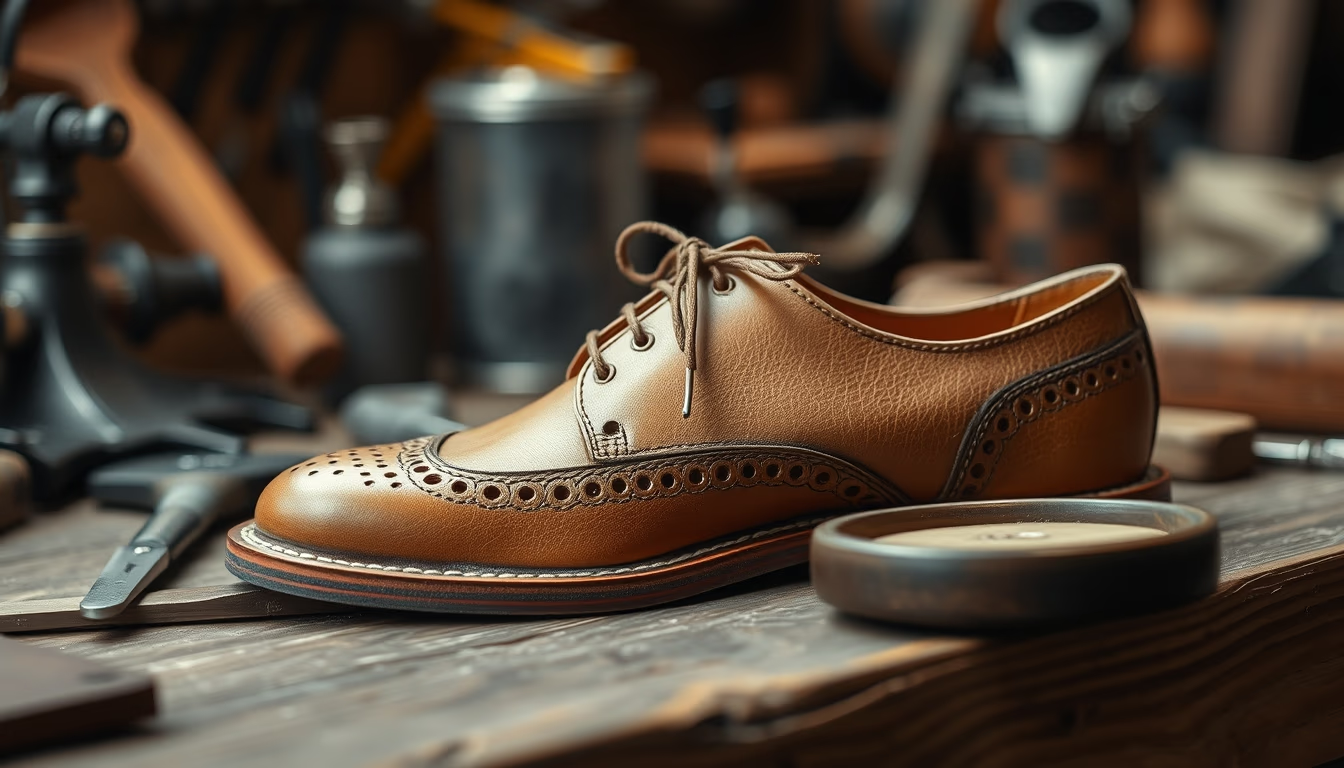
A traditional cobbler workbench filled with shoemaking tools and shoes under repair, reflecting the craft and history of manual shoemaking.
About this subject
A cobbler's workbench is the center of shoemaking, where a craftsman transforms leather and other materials into footwear and performs meticulous repairs. These benches are typically made of solid hardwood, sturdy enough to withstand constant use of hammers, awls, and knives. On them, characteristic tools are arranged: shoe lasts, needles of various sizes, waxed threads, pulling pliers, and nails of different lengths.
Shoemaking history dates back thousands of years, with evidence of footwear as early as 8,000 BC in China. The craft gained prominence in Brazil from the 19th century with European immigrants, especially Italians and Germans, who brought refined techniques. In cities like Franca (SP) and Novo Hamburgo (RS), shoemaking became an industry, but manual work is still prized in artisan shoe shops.
An interesting fact: the Portuguese word 'sapateiro' (cobbler) also names a Brazilian bird (the rufous hornero, which builds mud nests) due to the resemblance to shaping leather. Essential tools include the awl (for piercing holes) and the 'torno' (a clamp to hold the shoe) for perfect stitches and durability. Antique cobbler workbenches can be true treasures, often passed down through generations, bearing marks that tell the story of the artisan's work.
Frequently Asked Questions
What basic tools does a cobbler use on their workbench?
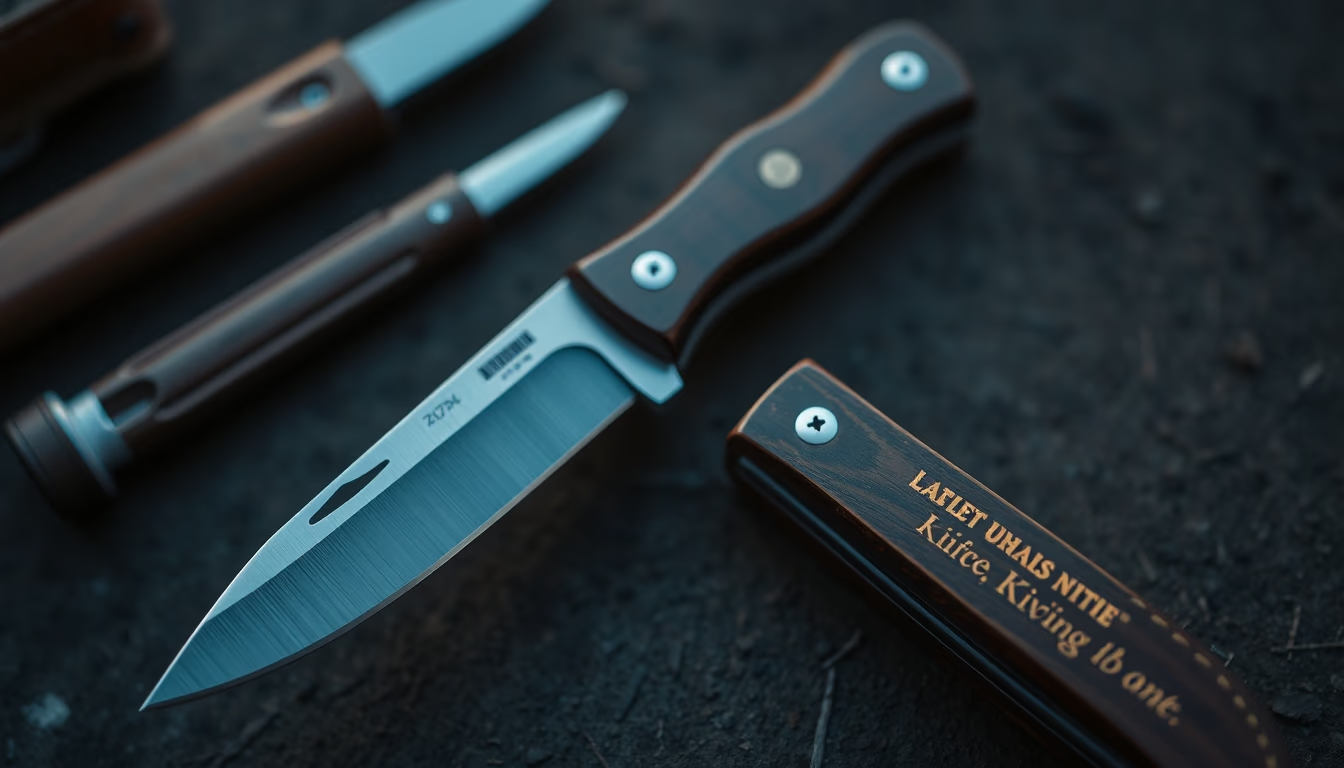
Essential tools include the awl (piercer), hammer, pulling pliers, shoe last, shoemaker's knife, waxed thread, and nails. Each serves a specific purpose for cutting, stitching, and shaping leather.
What is the difference between a cobbler and a shoe repairer?
A traditional cobbler makes entire shoes from scratch, shaping the leather. A shoe repairer focuses on fixes and renovations, such as replacing soles, stitching tears, and renewing used footwear.
How does manual shoemaking influence sustainable fashion?
Manual shoemaking values repairs over disposal, extending shoe life. It also uses quality leather and techniques that reduce waste, aligning with mindful consumption practices.
Direct URL
https://pub-c7d6a6ea828543ac903a74a341ccb2e1.r2.dev/imagens/cobbler-workbench-tilt-shift-miniature-fresh12.avifHow to credit
Include a visible link back to UtilizAí. Copy one of the snippets below:
<a href="https://xn--utiliza-eza.com/en/midia/imagens/cobbler-workbench-tilt-shift-miniature-fresh12">Cobbler workbench</a> by <a href="https://xn--utiliza-eza.com">UtilizAí</a>, licensed under <a href="https://creativecommons.org/licenses/by/4.0/">CC BY 4.0</a>.
[Cobbler workbench](https://xn--utiliza-eza.com/en/midia/imagens/cobbler-workbench-tilt-shift-miniature-fresh12) by [UtilizAí](https://xn--utiliza-eza.com), CC BY 4.0
License: CC-BY-4.0