Cobbler workbench
1344×768 · AVIF · CC BY 4.0
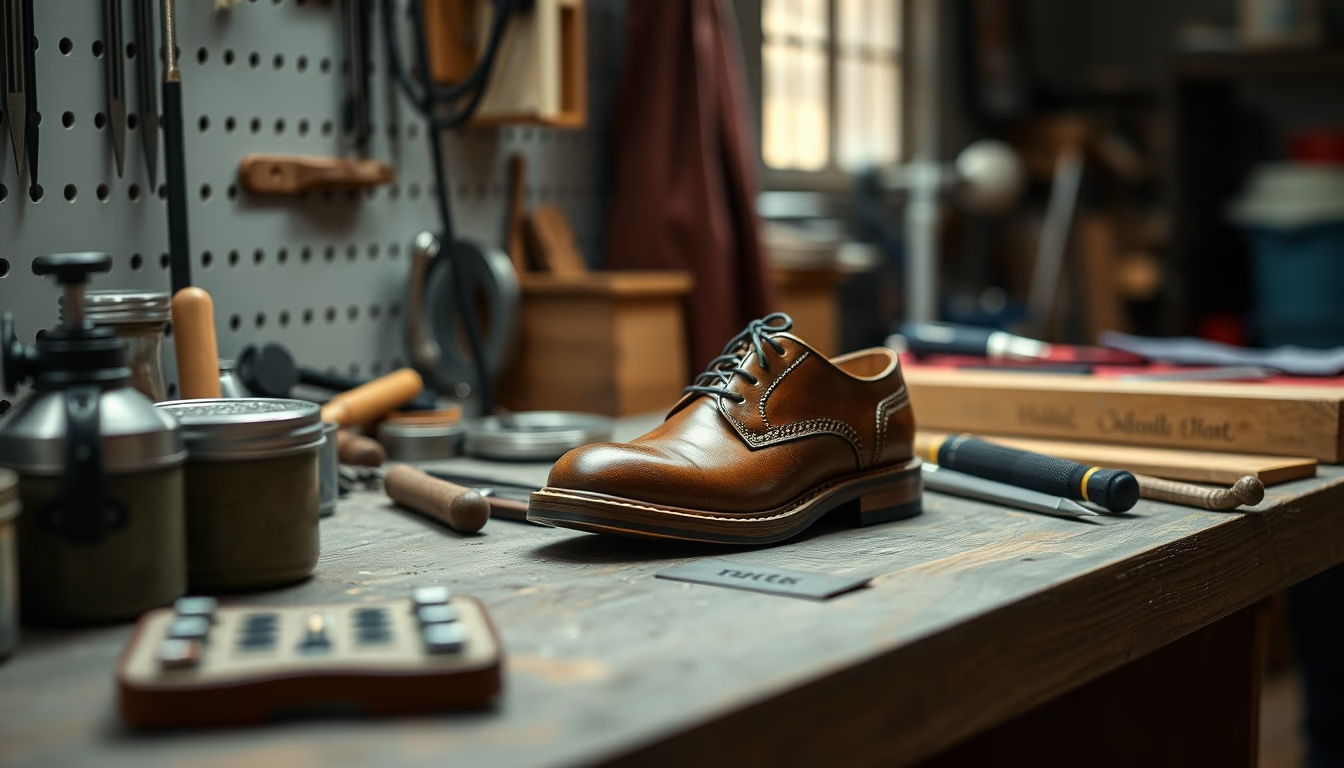
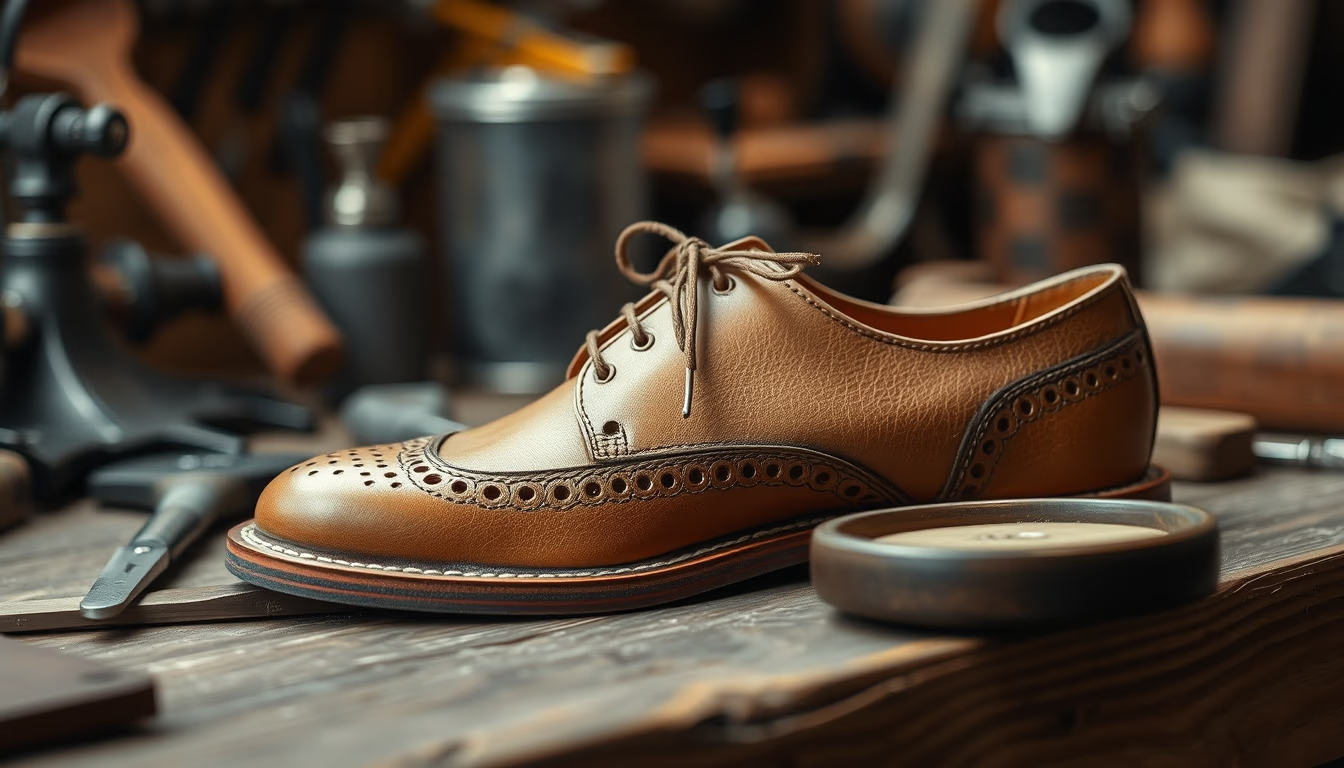
The cobbler workbench is the heart of the shoe repair and crafting trade, combining hand tools and specialized know-how.
About this subject
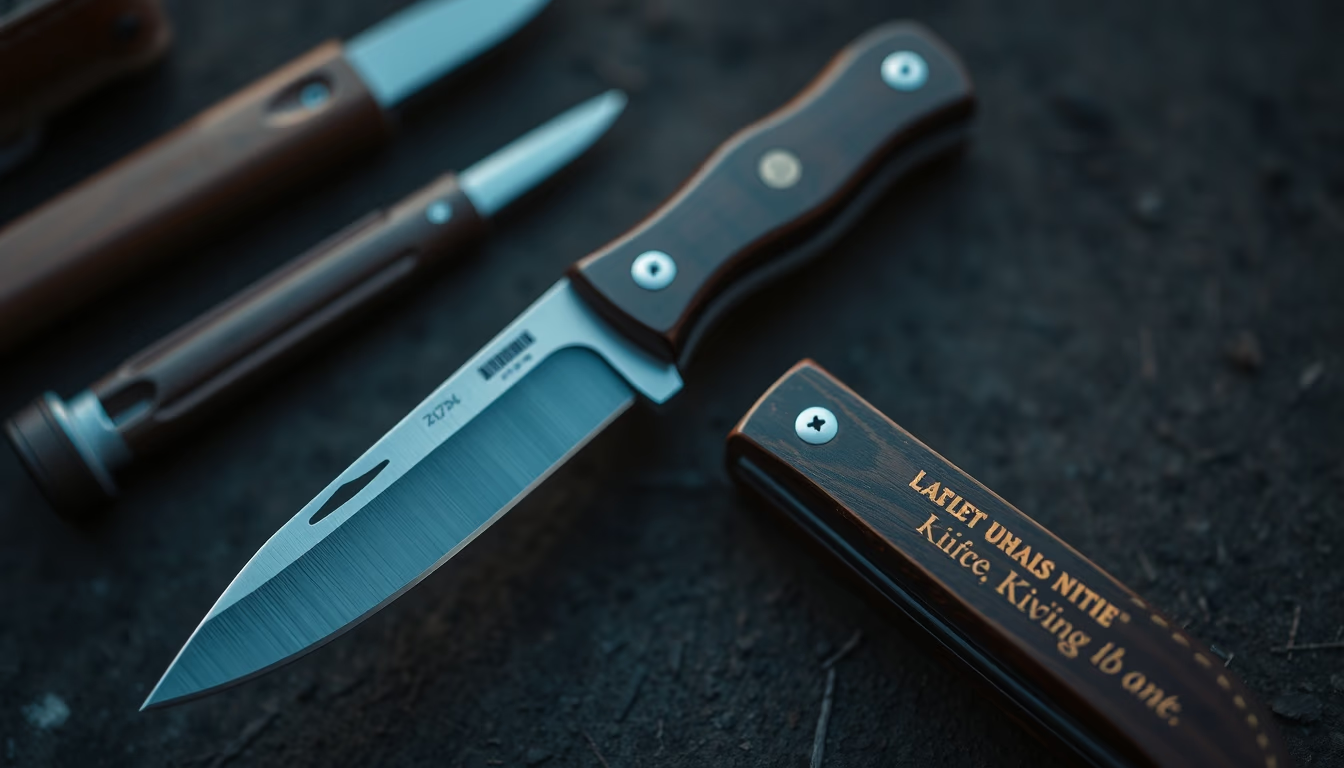
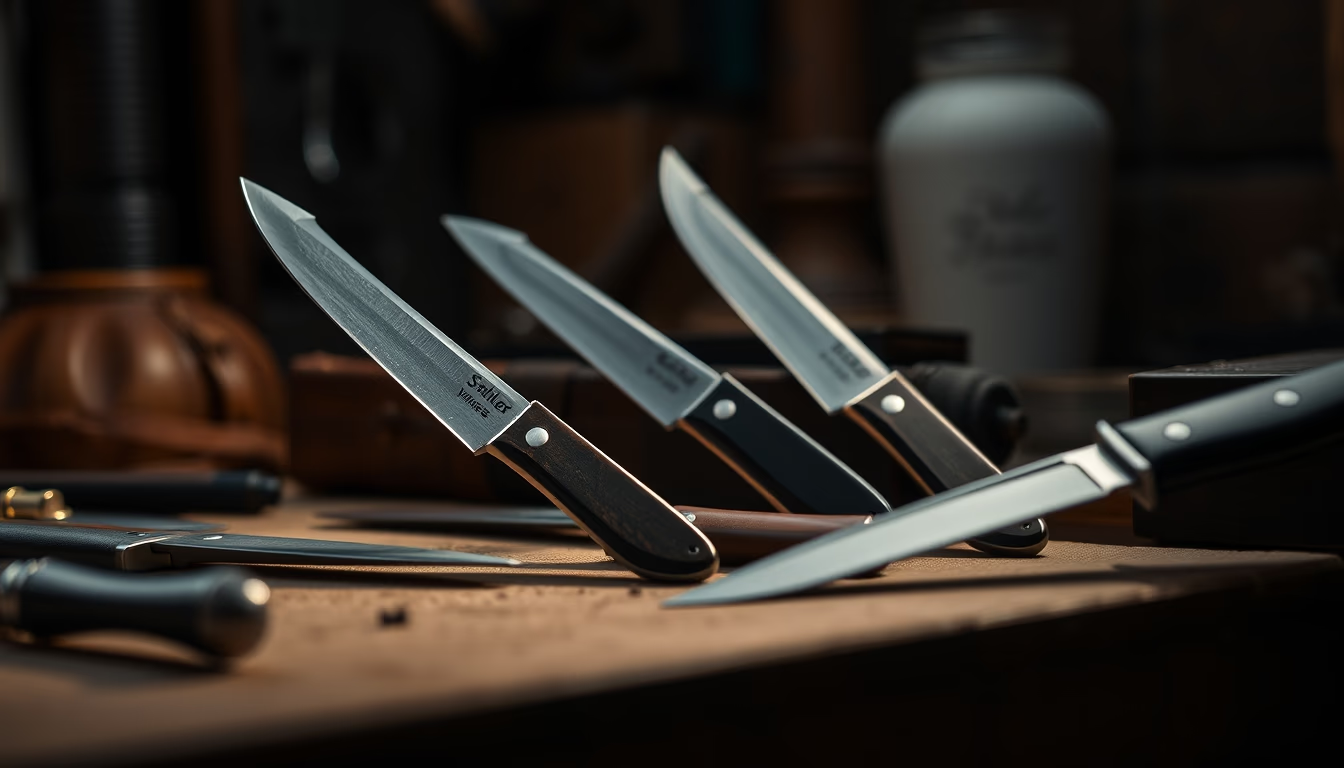
The cobbler workbench is an essential piece of furniture in the shoemaking and repair trade, serving as the workstation for repairing, adjusting, and customizing footwear. Traditionally made of solid wood such as oak or pine, its sturdy surface supports the weight of lasts, hammers, awls, nails, and adhesives. The bench often features drawers and shelves to organize tools like the cobbler's knife (for cutting soles), the hammer for nailing heels and soles, and the sewing needle for hand stitching. Small details, such as holes to hold a last in place or eyelets for hanging tools, make the bench highly functional.
The work on this bench requires skill and patience. The cobbler uses a creaser to open grooves, a beating stick to soften leather, and pulling pliers to stretch material. The bench also serves for applying contact cement and finishing with dyes and waxes. In Brazil, the cobbler profession has a strong tradition in urban centers and rural areas, often passed down through families. Craft fairs and neighborhood shoe repair shops keep this manual practice alive.
Historically, cobbler workbenches evolved with industrialization, but the handcrafted version remains valued for the precision it offers. Unlike a regular table, it is built at a specific height (about 80, 90 cm) to allow the worker to sit or stand comfortably. Tools like the shoe last (a wooden or plastic form) are secured to the bench with clamps, providing stability during shaping.
Interestingly, the term 'cobbler' derives from Old English 'cobeler', which originally meant a mender of shoes. The workbench thus symbolizes a trade that combines sustainability (repairing instead of discarding) and manual skill. Today, online courses and videos teach shoemaking techniques, and the workbench remains the starting point for anyone wishing to learn the craft.
Frequently Asked Questions
What tools are essential on a cobbler workbench?
Cobbler's hammer, awl, sole knife, pulling pliers, creaser, beating stick, shoe last, contact cement, and shoemaking nails are common items.
What is the ideal height for a cobbler workbench?
The recommended height is between 80 and 90 centimeters, allowing the craftsman to work sitting or standing without straining the back.
Is the cobbler workbench still used today?
Yes, especially in neighborhood shoe repair shops, leather craft studios, and workshops. Many artisans prefer the traditional workbench for its stability and organization.
Direct URL
https://pub-c7d6a6ea828543ac903a74a341ccb2e1.r2.dev/imagens/cobbler-workbench-studio-still-life-fresh8.avifHow to credit
Include a visible link back to UtilizAí. Copy one of the snippets below:
<a href="https://xn--utiliza-eza.com/en/midia/imagens/cobbler-workbench-studio-still-life-fresh8">Cobbler workbench</a> by <a href="https://xn--utiliza-eza.com">UtilizAí</a>, licensed under <a href="https://creativecommons.org/licenses/by/4.0/">CC BY 4.0</a>.
[Cobbler workbench](https://xn--utiliza-eza.com/en/midia/imagens/cobbler-workbench-studio-still-life-fresh8) by [UtilizAí](https://xn--utiliza-eza.com), CC BY 4.0
License: CC-BY-4.0