Cobbler workbench
1344×768 · AVIF · CC BY 4.0

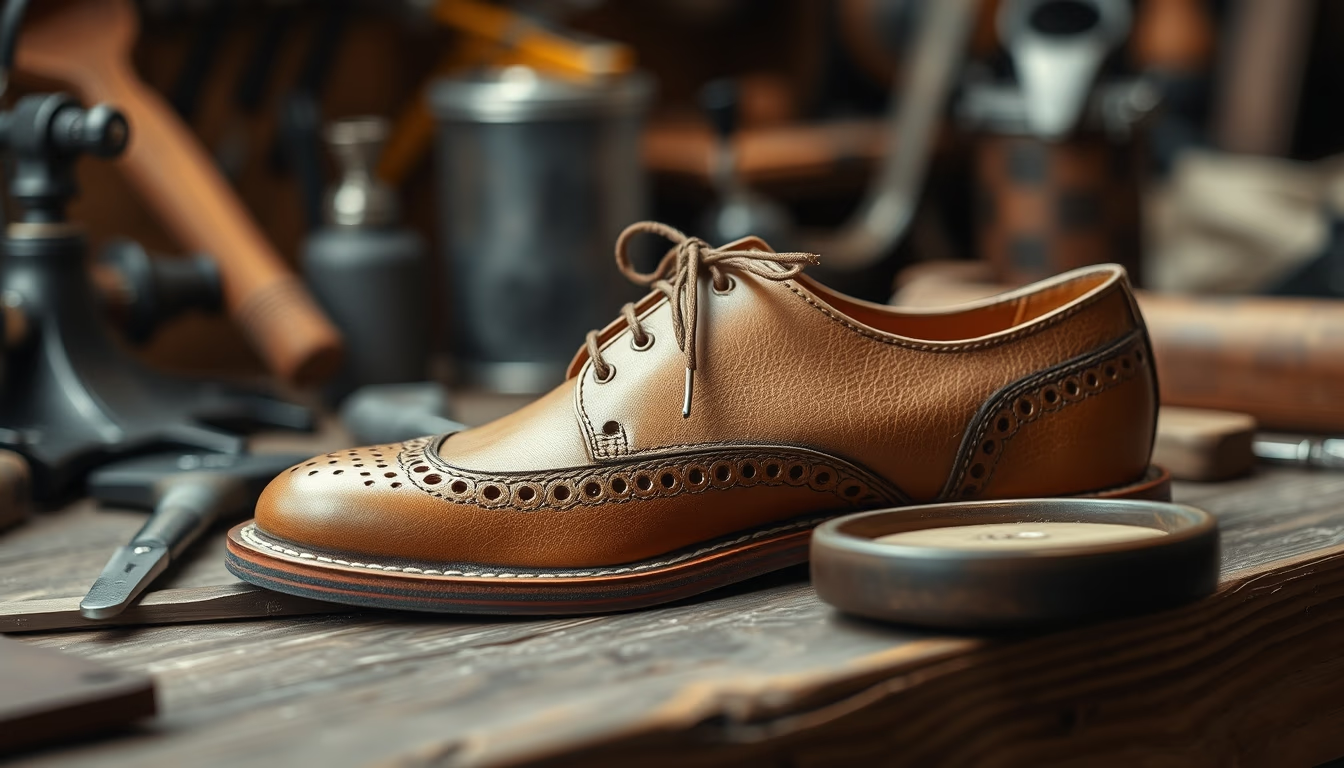
A cobbler's workbench is the heart of a leather workshop, where tools and materials come together to transform raw pieces into custom footwear.
About this subject
A cobbler's workbench is a sturdy piece of furniture, typically built from solid hardwood like oak or pine, with a thick and impact-resistant top. Many feature a horseshoe-shaped cutout or an inclined surface to better fit shoe lasts, allowing the craftsman to work comfortably and precisely while performing stitching, hammering, and cutting.
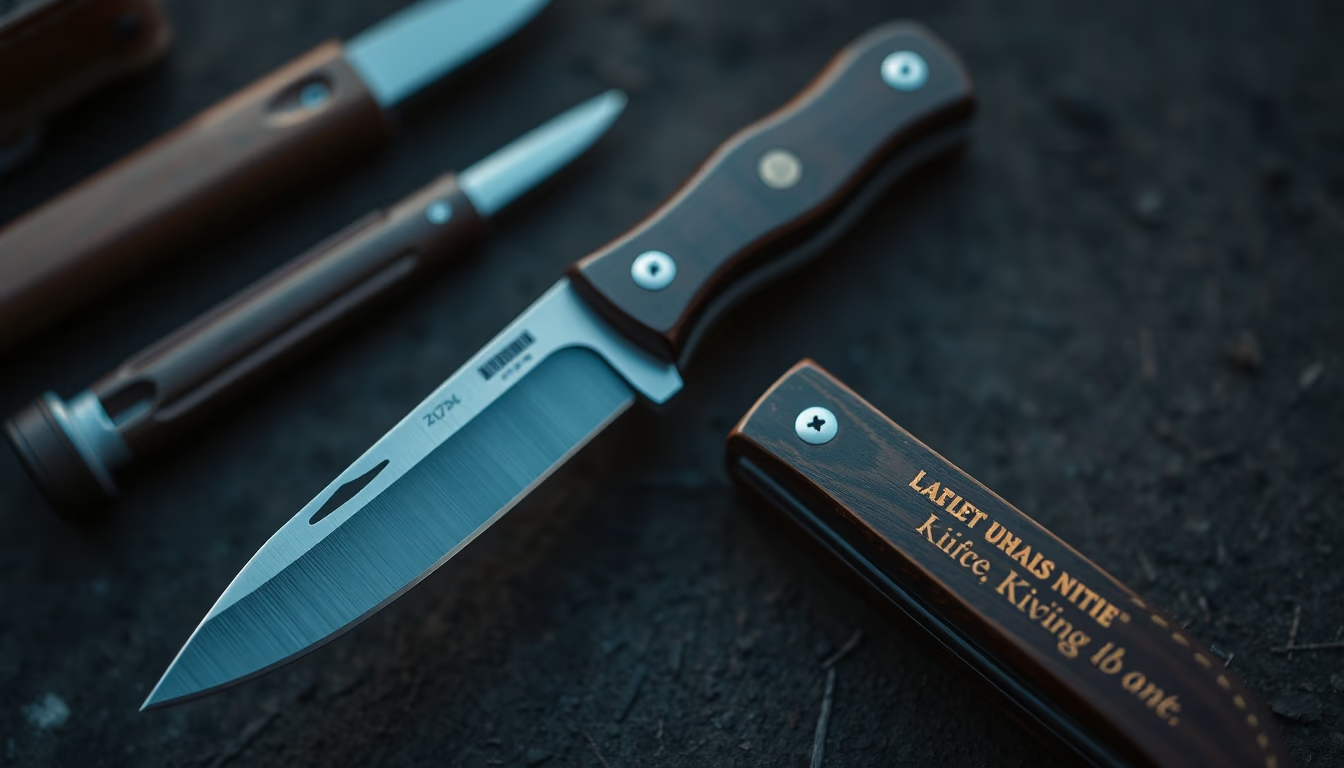
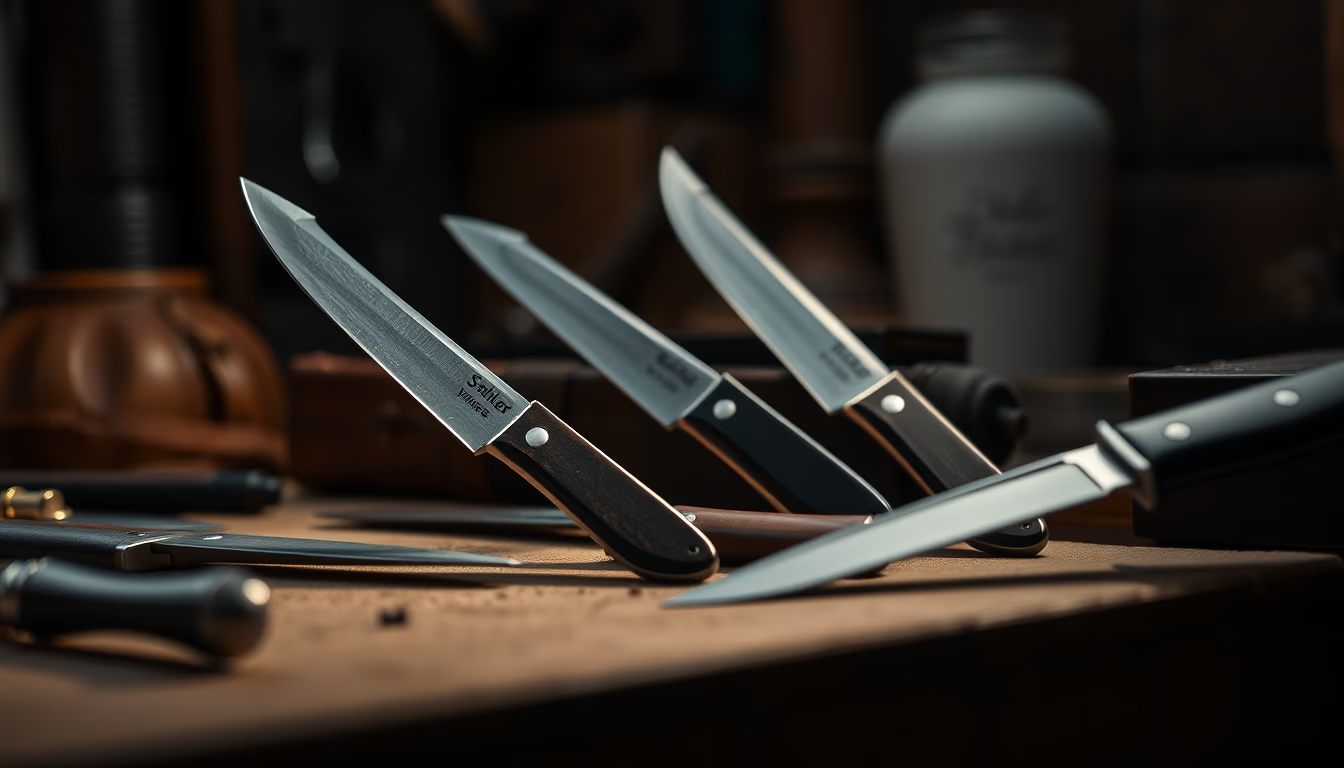
On the workbench, essential tools are organized: hammers of various weights, awls, curved needles, waxed thread, sole knives, pliers, clamps, and wooden lasts. Each tool has a specific spot, often on holders or hooks attached to the bench, ensuring quick access during workflow. A small anvil or cobbler's stone is common for beating soles and heels.
Historically, the cobbler's workbench was the central workstation in small urban and rural workshops. The trade of shoemaking required long apprenticeships, and the bench was often passed from master to apprentice as a symbol of continuity. With industrialization, many benches were replaced by machines, but luxury craftsmanship and shoe repair still rely on them.
Today, cobbler workbenches are valued by both artisans and DIY enthusiasts. Modern models incorporate height adjustments, drawers for storage, and ergonomic finishes, maintaining the basic principle: a stable and organized surface for transforming leather into functional, durable footwear.
Frequently Asked Questions
What makes a cobbler's workbench different from a regular workbench?
A cobbler's workbench is built to withstand repeated hammer and awl impacts, with a thicker top and often a cutout for fitting shoe lasts. It also has specific hooks and holders for leatherworking tools.
What basic tools does a cobbler keep on their workbench?
Hammers, awls, curved needles, waxed thread, sole knives, pliers, clamps, wooden lasts, and a small anvil are essential. Each tool has a specific role in the process of making or repairing footwear.
Are traditional cobbler workbenches still used today?
Yes, especially in artisanal shoemaking shops, luxury shoe repair workshops, and among leatherworking enthusiasts. Many value the durability and ergonomics of traditional benches, though modern adjustable versions are also popular.
Direct URL
https://pub-c7d6a6ea828543ac903a74a341ccb2e1.r2.dev/imagens/cobbler-workbench-rembrandt-lighting-dramatic-shadows-fresh13.avifHow to credit
Include a visible link back to UtilizAí. Copy one of the snippets below:
<a href="https://xn--utiliza-eza.com/en/midia/imagens/cobbler-workbench-rembrandt-lighting-dramatic-shadows-fresh13">Cobbler workbench</a> by <a href="https://xn--utiliza-eza.com">UtilizAí</a>, licensed under <a href="https://creativecommons.org/licenses/by/4.0/">CC BY 4.0</a>.
[Cobbler workbench](https://xn--utiliza-eza.com/en/midia/imagens/cobbler-workbench-rembrandt-lighting-dramatic-shadows-fresh13) by [UtilizAí](https://xn--utiliza-eza.com), CC BY 4.0
License: CC-BY-4.0