Cobbler workbench
1344×768 · AVIF · CC BY 4.0
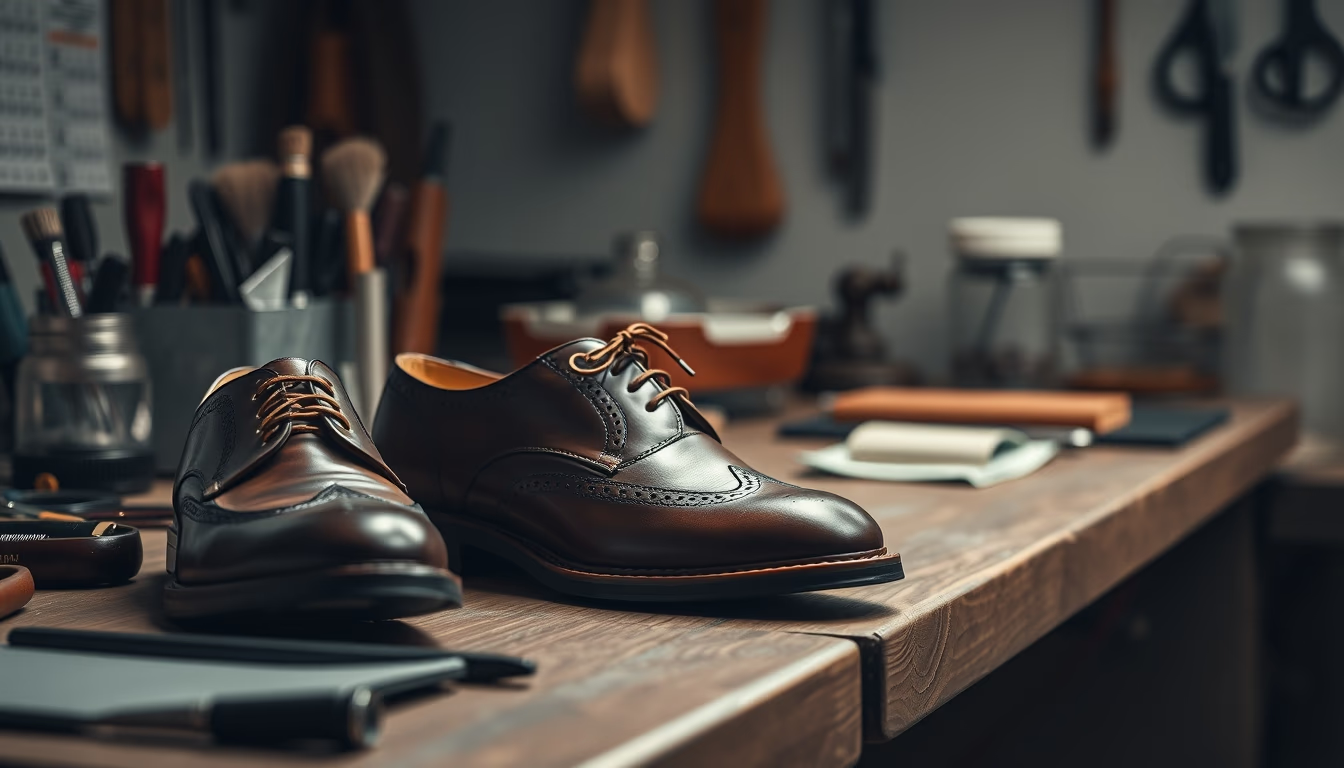
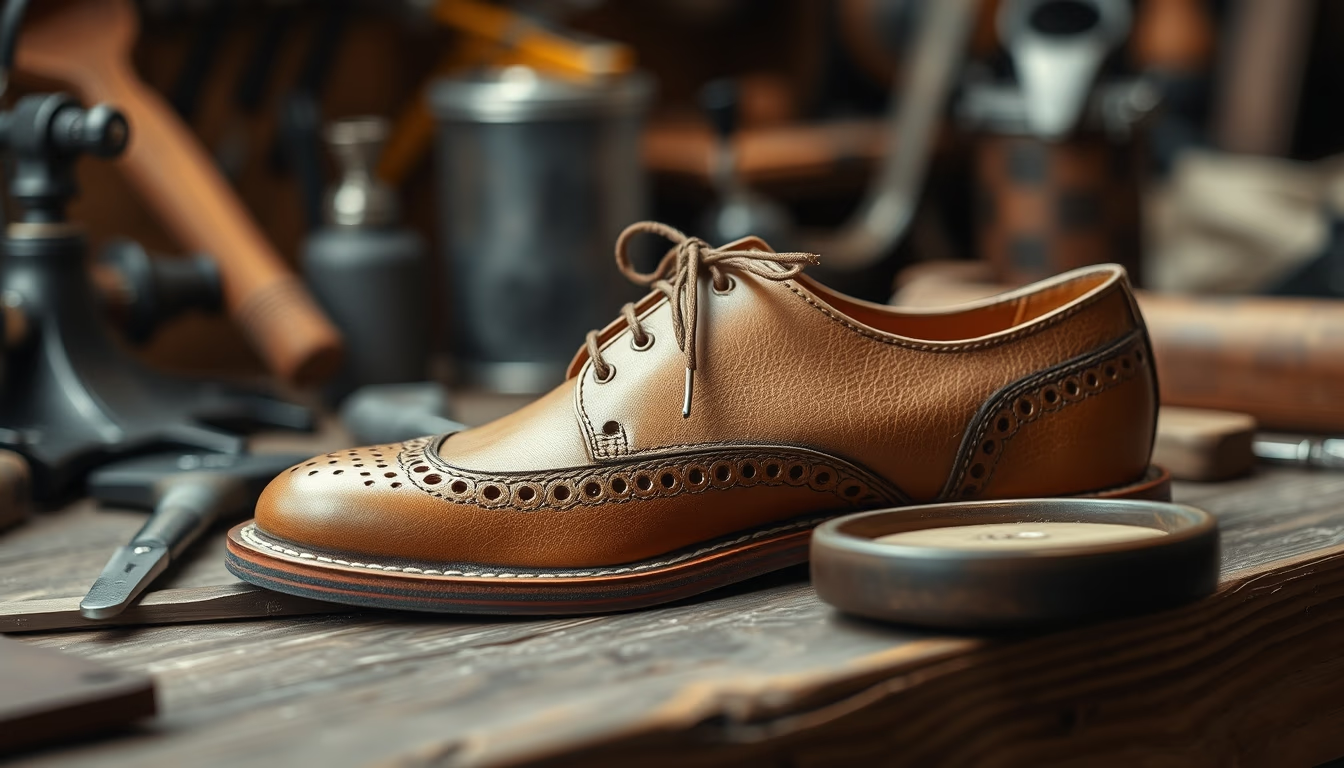
A cobbler workbench is the workspace where artisans repair and make shoes, with specific tools and traditional techniques.
About this subject
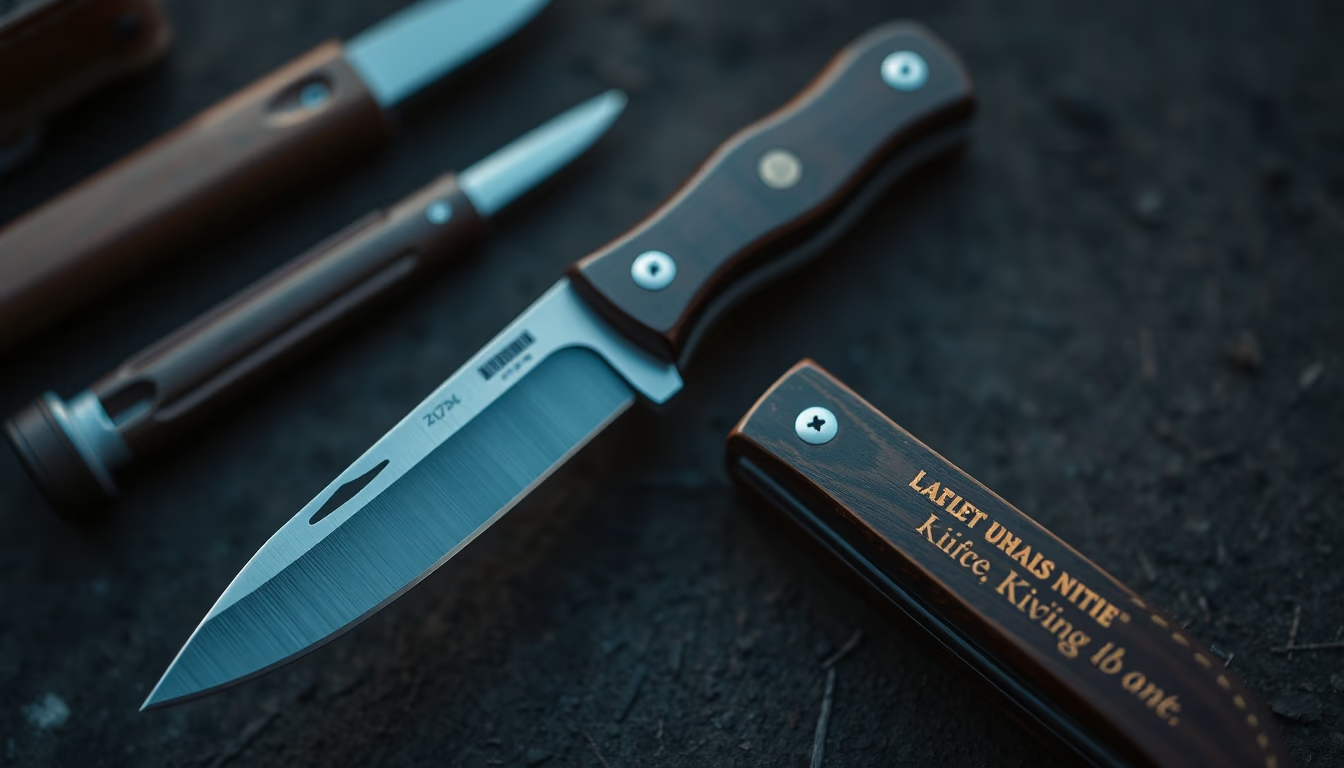
A cobbler workbench is the central piece in a shoe repair or shoemaking workshop. Typically made of sturdy wood or metal, it holds essential tools such as lasts (shoe forms), hammers, scissors, awls, waxed threads, and nails. The craft of cobblery dates back thousands of years, evolving from custom shoemaking to repair services. In Brazil, the profession flourished with European immigration, particularly in the south, where footwear hubs like Novo Hamburgo (RS) and Franca (SP) emerged.
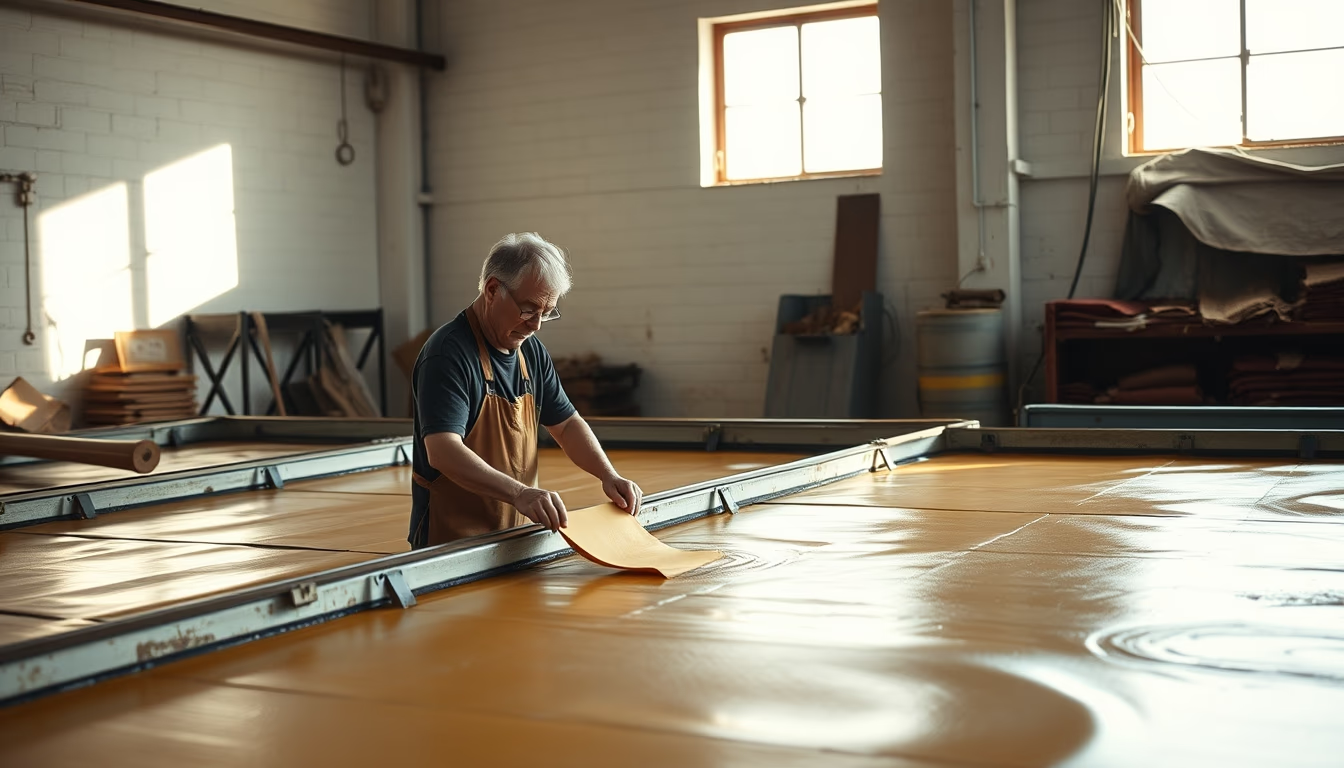
On a workbench, shoemakers perform tasks like replacing soles and heels, leather stitching, applying glue, and shaping. Many benches have drawers for storing tacks, pliers, and needles. Good lighting is crucial for fine details. Today, handwork faces competition from industrial shoe repair, but artisanal repair has gained value in the slow fashion movement, which emphasizes durability and sustainability.
Interestingly, a cobbler's bench shares similarities with a saddler's bench, but uses tools specific to footwear. In Northeast Brazil, cobblers adapt their benches for goat and sheep leather. Maintaining a clean bench is vital: surface must be free of glue residue to ensure precise cuts.
Historically, master shoemakers like Italian Salvatore Ferragamo started on simple benches before becoming luxury designers. The bench symbolizes the transformation of raw materials into functional art. Today, leathercraft courses teach fundamentals, preserving this technique in an increasingly digital world.
Frequently Asked Questions
What essential tools are on a cobbler workbench?
Tools like shoe lasts, hammers, scissors, awls, waxed threads, nails, pliers, and needles. Many benches have drawers for storage.
How is a cobbler workbench different from a regular bench?
It is built to withstand hammer impacts and has a surface resistant to cuts and glue. It has a specific height for seated work and includes clamps to hold shoes.
What is the historical significance of artisan cobblers in Brazil?
European immigration, especially German and Italian in the south, introduced techniques that formed footwear hubs. Artisan cobblers preserve traditions of repair and customization.
Direct URL
https://pub-c7d6a6ea828543ac903a74a341ccb2e1.r2.dev/imagens/cobbler-workbench-magazine-editorial-fresh1.avifHow to credit
Include a visible link back to UtilizAí. Copy one of the snippets below:
<a href="https://xn--utiliza-eza.com/en/midia/imagens/cobbler-workbench-magazine-editorial-fresh1">Cobbler workbench</a> by <a href="https://xn--utiliza-eza.com">UtilizAí</a>, licensed under <a href="https://creativecommons.org/licenses/by/4.0/">CC BY 4.0</a>.
[Cobbler workbench](https://xn--utiliza-eza.com/en/midia/imagens/cobbler-workbench-magazine-editorial-fresh1) by [UtilizAí](https://xn--utiliza-eza.com), CC BY 4.0
License: CC-BY-4.0