Cobbler workbench
1344×768 · AVIF · CC BY 4.0
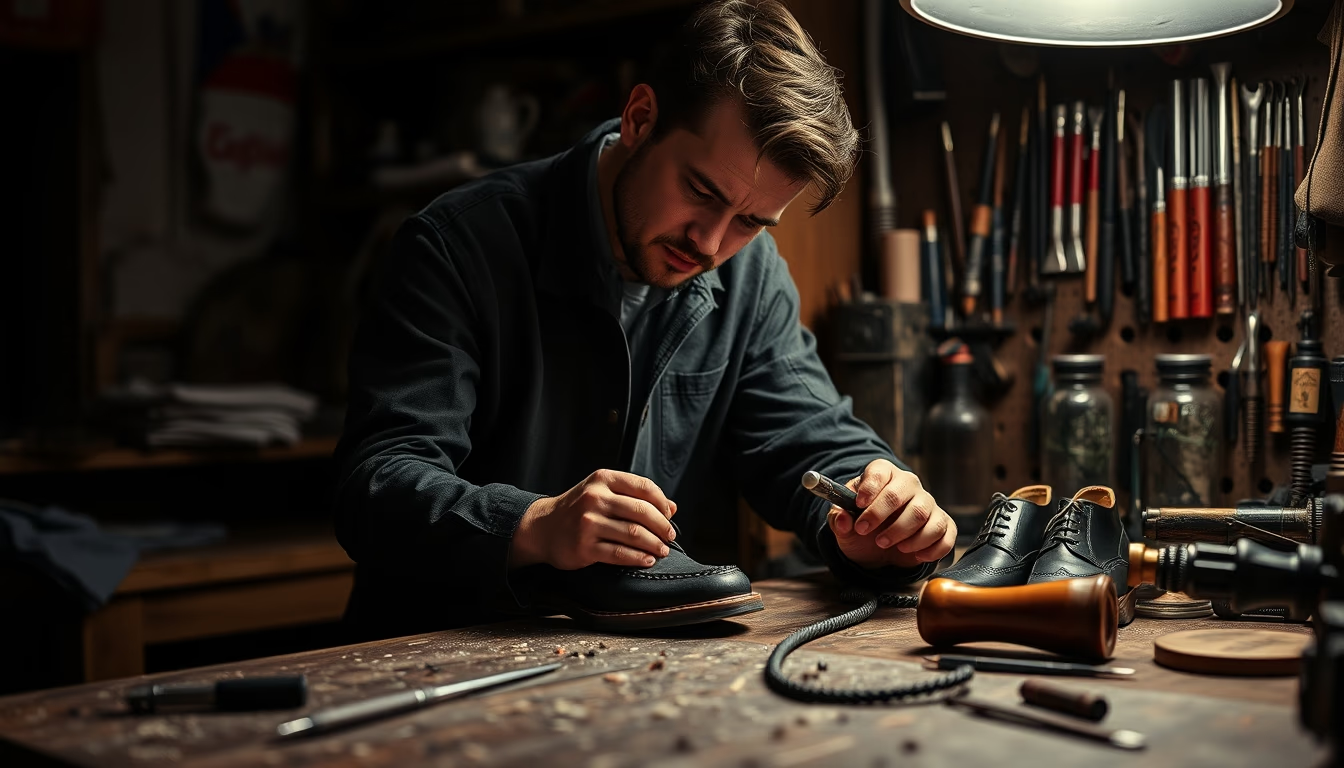
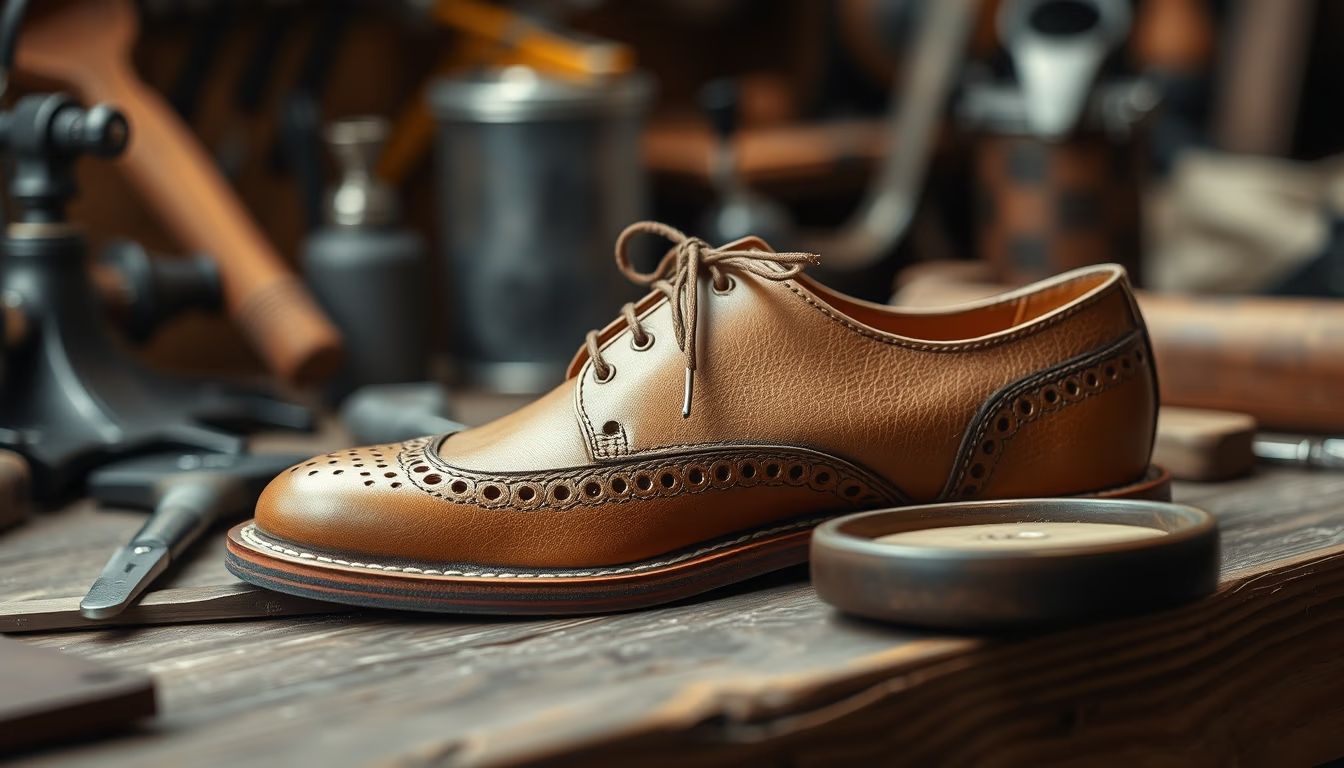
The cobbler workbench is the nerve center of bespoke shoemaking, blending traditional tools and know-how to craft custom footwear.
About this subject
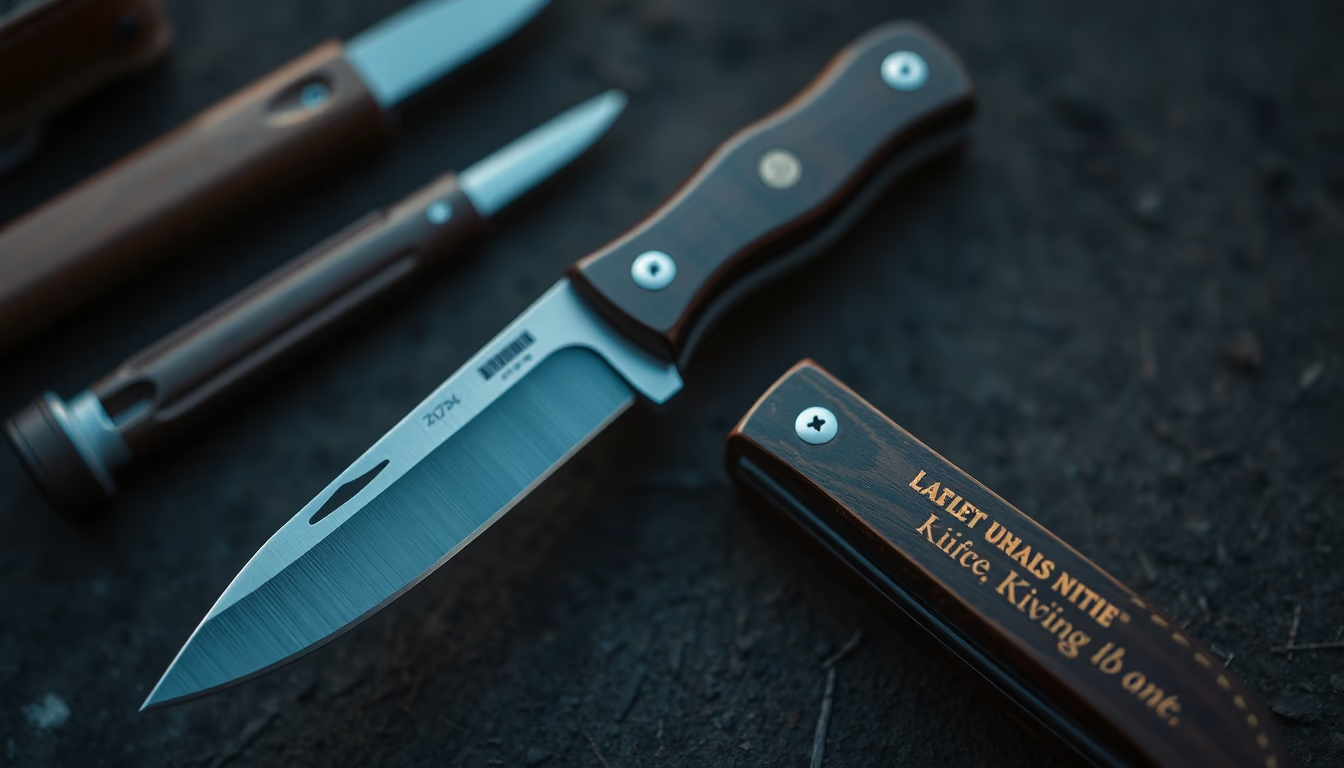
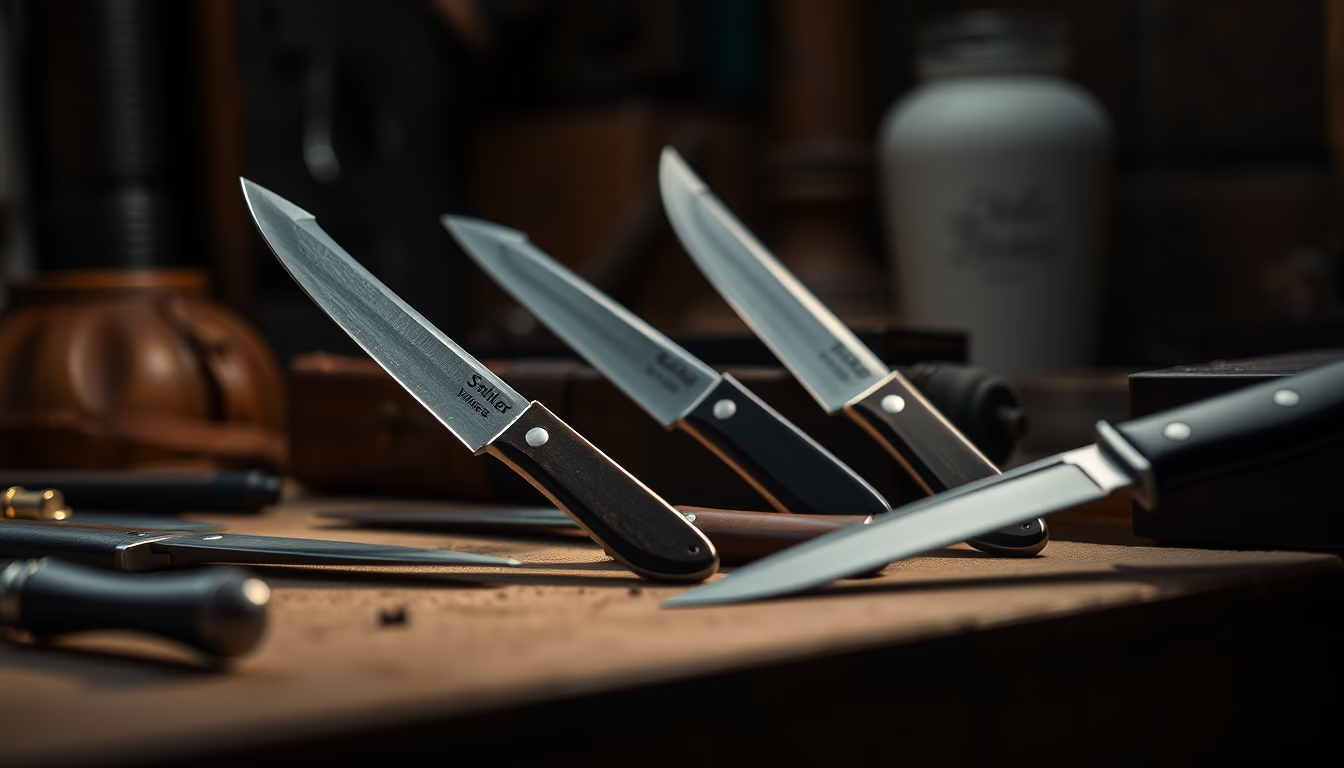
The cobbler workbench is the heart of bespoke footwear production. Unlike industrial assembly lines, it centralizes all steps: from leather cutting to final assembly. Tools like hammers, awls, rasps, and needles are within arm's reach, each with a specific function. The bench is usually made of solid wood to absorb impact and support hand presses. Many feature compartmentalized drawers and racks for shoe lasts.
In the context of high fashion and editorial shoots, the cobbler workbench takes on new significance. Luxury brands such as Hermès and John Lobb maintain in-house workshops where master cobblers produce exclusive pieces on commission. The bench in these ateliers is not merely functional but also a symbol of tradition and perfectionism. Each shoe can require 40 to 100 hours of handwork. Its design reflects ergonomic needs to prevent repetitive strain injuries.
Historically, cobbling dates back to ancient civilizations. In Rome, calcearii used specialized benches. During the Middle Ages, guilds regulated apprenticeship and production. The bench evolved with the Singer sewing machine in the 19th century, yet many artisans still prefer hand methods. Globally, each culture adapted its bench: in Morocco, low benches allow sitting on the floor; in Japan, benches are minimalist and precision-oriented.
The link between bench and finished shoe is direct. A well-organized bench set to the artisan's height boosts productivity and finish quality. In custom shoes, every leather piece is hand-molded over the last without standardized patterns. This work demands quick access to different nails, waxed threads, and adhesives. Modern benches incorporate adjustable lighting and lumbar support chairs, but retain the centuries-old essence of the craft.
Frequently Asked Questions
What are the main tools found on a cobbler workbench?
Hammers, awls, punches, rasps, pliers, leather shears, nails, waxed threads, and shoe lasts. Each tool serves a specific purpose from cutting and piercing to assembling and finishing.
Why is the cobbler workbench important for high fashion?
In high fashion, the workbench enables bespoke shoemaking with superior quality. Luxury brands value handcraft and tradition, and the bench is where exclusivity is created.
How does the cobbler workbench vary across cultures?
In Morocco, benches are low for sitting on the floor. In Japan, they are minimalist and precision-oriented. In Europe, tall benches with drawers and racks are common, reflecting different postures and working methods.
Direct URL
https://pub-c7d6a6ea828543ac903a74a341ccb2e1.r2.dev/imagens/cobbler-workbench-high-fashion-editorial-fresh4.avifHow to credit
Include a visible link back to UtilizAí. Copy one of the snippets below:
<a href="https://xn--utiliza-eza.com/en/midia/imagens/cobbler-workbench-high-fashion-editorial-fresh4">Cobbler workbench</a> by <a href="https://xn--utiliza-eza.com">UtilizAí</a>, licensed under <a href="https://creativecommons.org/licenses/by/4.0/">CC BY 4.0</a>.
[Cobbler workbench](https://xn--utiliza-eza.com/en/midia/imagens/cobbler-workbench-high-fashion-editorial-fresh4) by [UtilizAí](https://xn--utiliza-eza.com), CC BY 4.0
License: CC-BY-4.0