Cobbler workbench
1344×768 · AVIF · CC BY 4.0
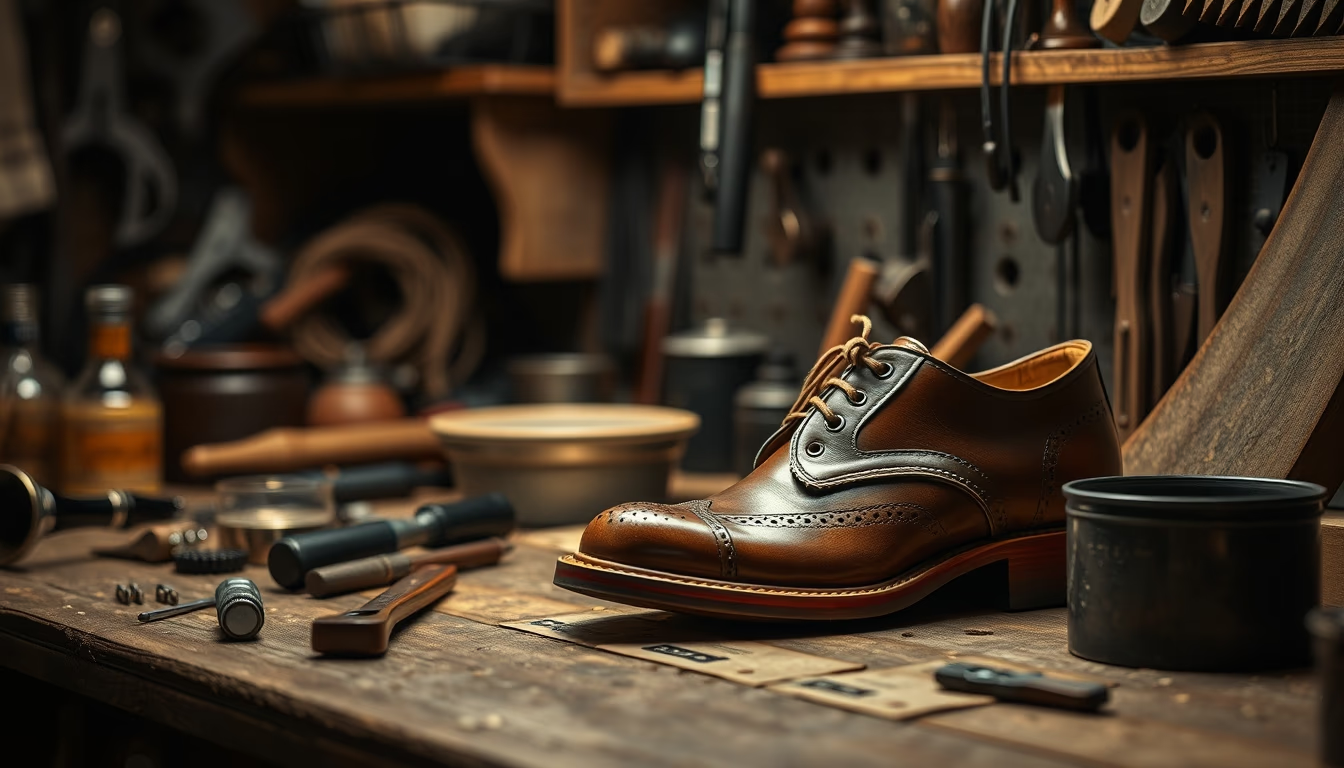
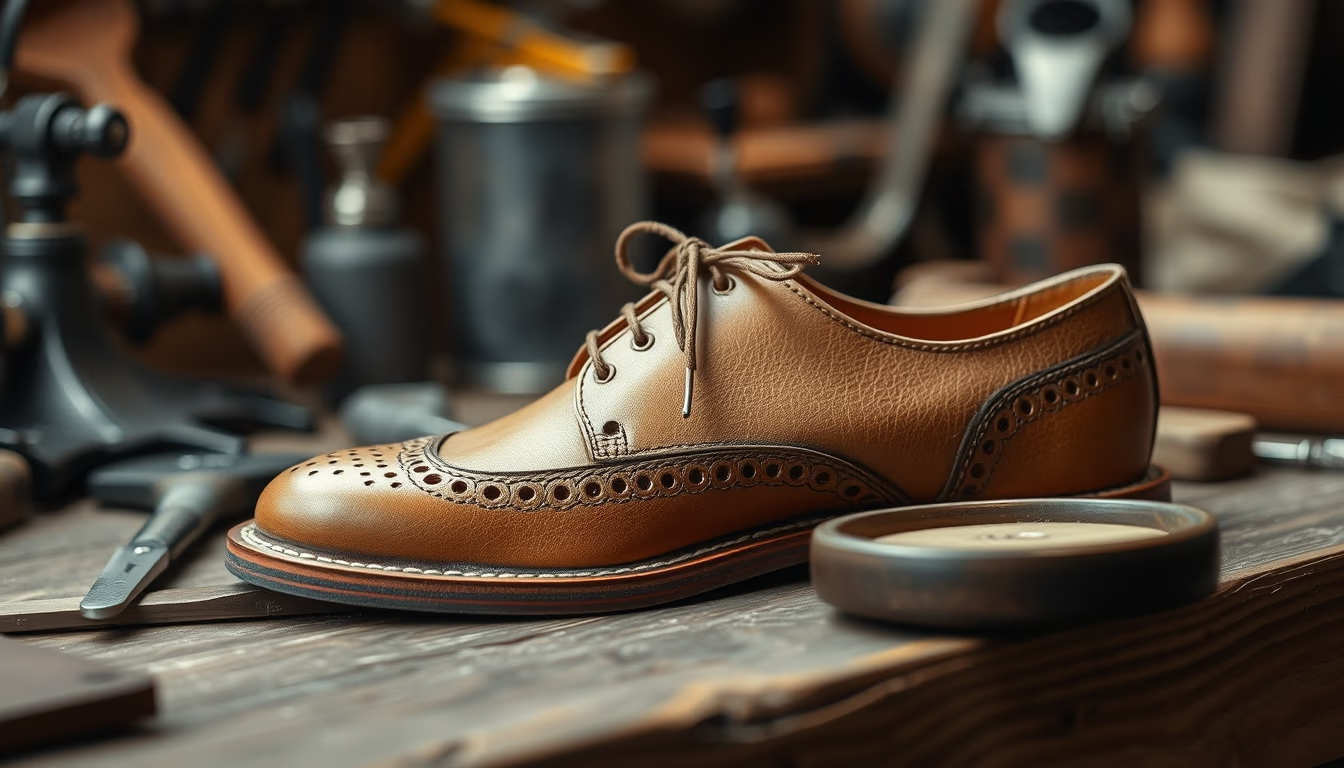
A cobbler's workbench as the heart of craftsmanship, showcasing traditional tools and techniques of the trade.
About this subject
The cobbler's workbench is the epicenter of the trade, a robust piece of furniture that carries centuries of history. Usually made of solid wood like oak or mahogany, its worn surface bears the marks of hammers, awls, and leather knives. In Brazil, the shoemaker's craft was essential during the colonial and imperial periods, when shoes were luxury goods imported from Europe. Over time, local workshops emerged, adapting European techniques to Brazilian leather, especially from Rio Grande do Sul and the Northeast. Each bench has specific drawers and compartments: for storing wooden lasts (which shape footwear), waxed threads, nails, and dyes. The most iconic tool is the 'cobbler's sewing machine', invented in the 19th century, which replaced manual thick needles. The workbench is not just a table; it stores the gestural memory of the artisan, who often passes down knowledge from generation to generation. Today, with industrialization, traditional benches are rare, but can still be found in small Brazilian towns like Nova Friburgo (RJ) or in authorial design studios that revive the craft.
Frequently Asked Questions
What tools are essential on a cobbler's workbench?
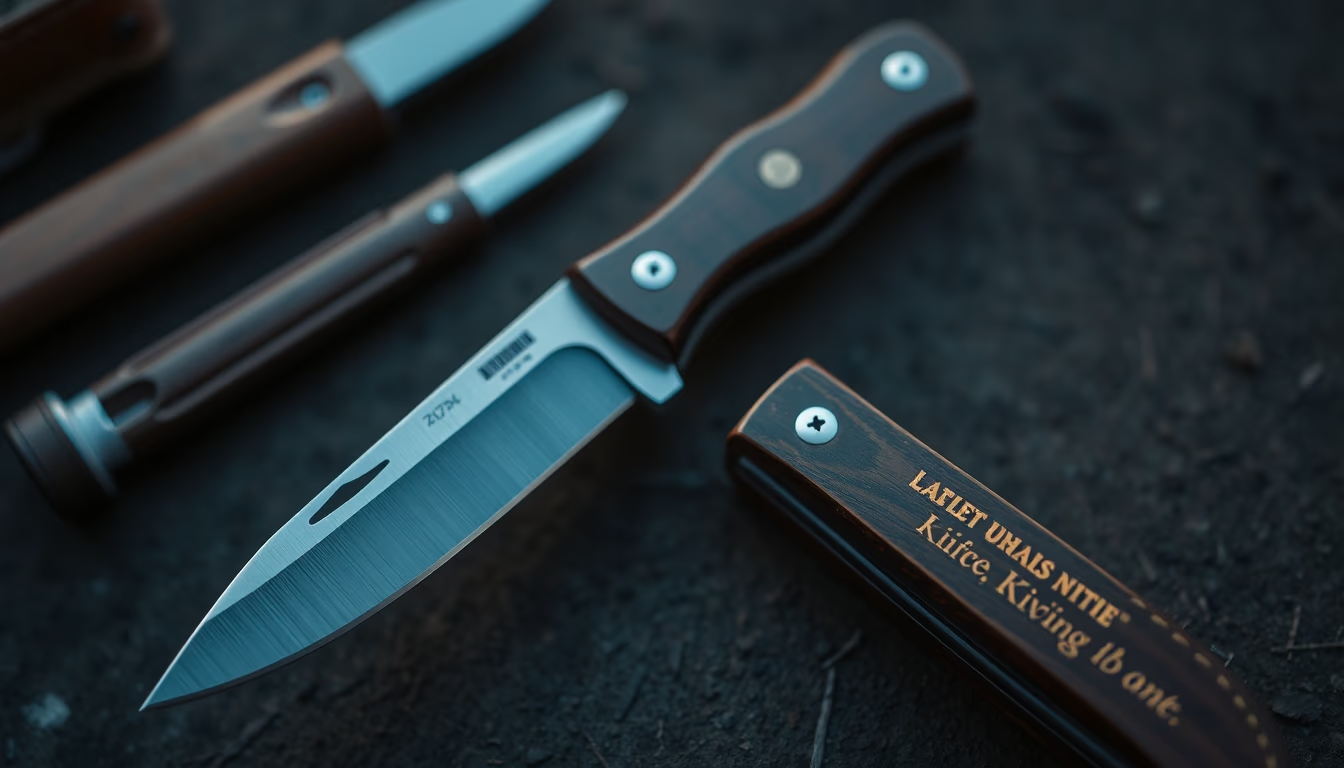
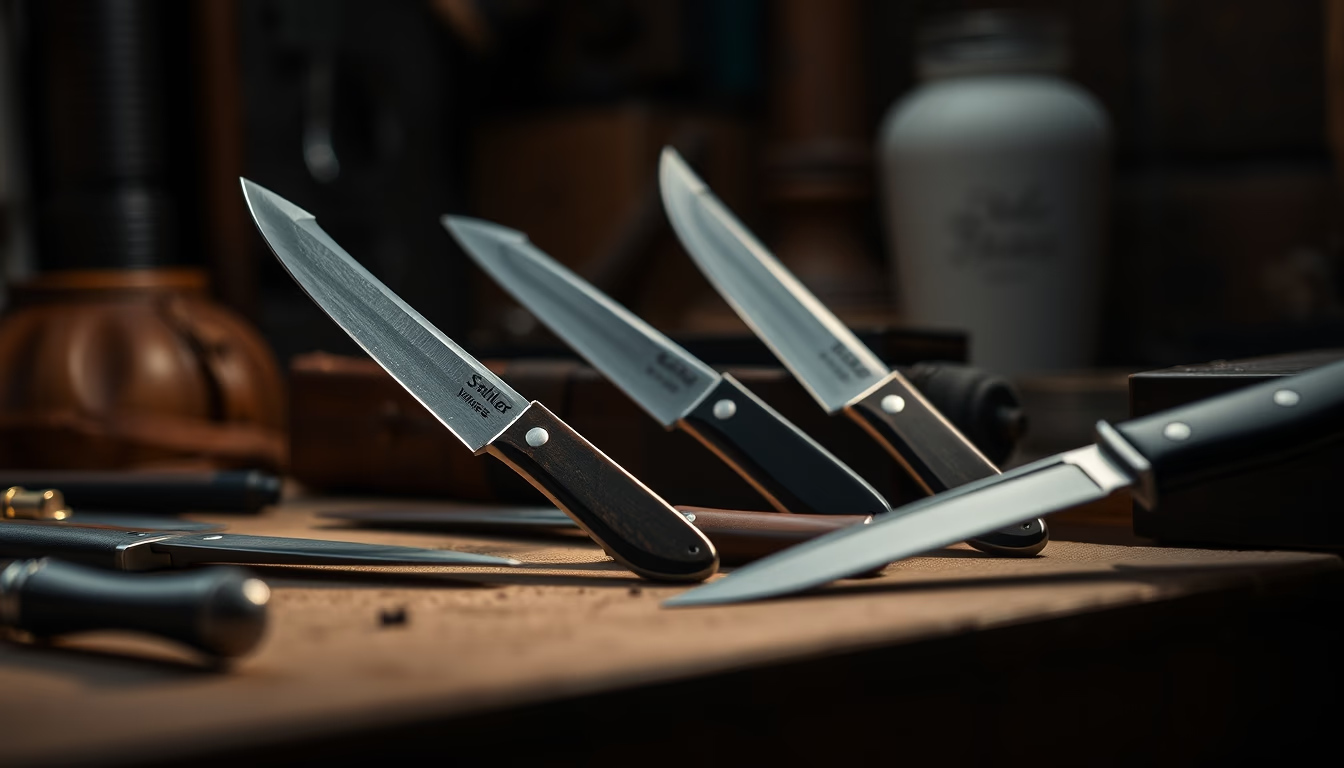
Hammer, awl, half-moon knife, wooden lasts, waxed thread, and a manual sewing machine are basic. Each has a specific function: the awl makes holes in leather, the knife cuts soles, and lasts shape the footwear.
How to identify an antique cobbler's workbench?
Look for solid wood with signs of wear, side drawers, and tool fittings. 19th-century European benches have wrought iron details. In Brazil, rustic models made of jacaranda or peroba are common in workshops in the countryside.
What makes traditional shoemaking in Brazil special?
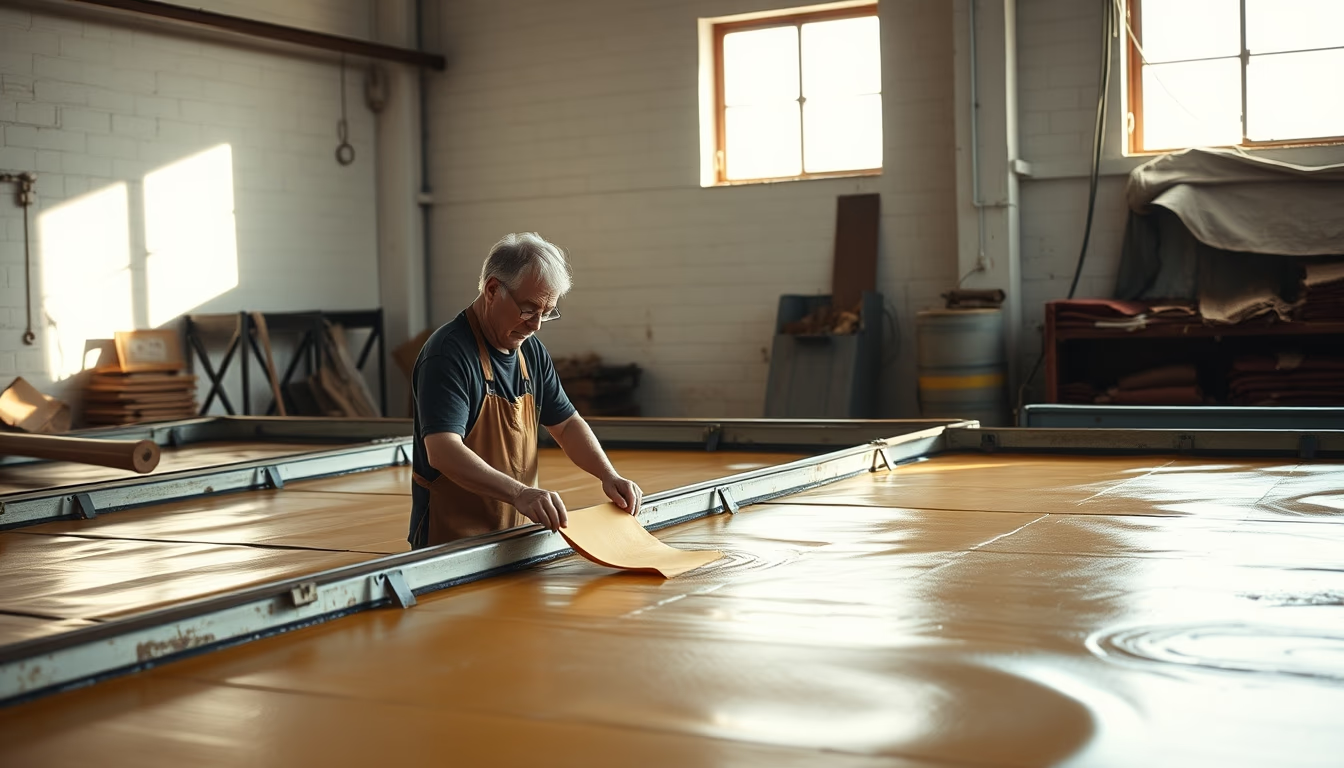
Brazilian leather is world-renowned, and handcrafted shoemaking survives in communities like Sapiranga (RS) and Caruaru (PE). The hand-stitched technique (stitch-down) is valued for custom footwear, combining comfort and durability.
Direct URL
https://pub-c7d6a6ea828543ac903a74a341ccb2e1.r2.dev/imagens/cobbler-workbench-fine-art-photography-fresh0.avifHow to credit
Include a visible link back to UtilizAí. Copy one of the snippets below:
<a href="https://xn--utiliza-eza.com/en/midia/imagens/cobbler-workbench-fine-art-photography-fresh0">Cobbler workbench</a> by <a href="https://xn--utiliza-eza.com">UtilizAí</a>, licensed under <a href="https://creativecommons.org/licenses/by/4.0/">CC BY 4.0</a>.
[Cobbler workbench](https://xn--utiliza-eza.com/en/midia/imagens/cobbler-workbench-fine-art-photography-fresh0) by [UtilizAí](https://xn--utiliza-eza.com), CC BY 4.0
License: CC-BY-4.0