Co working space empty
1344×768 · AVIF · CC BY 4.0
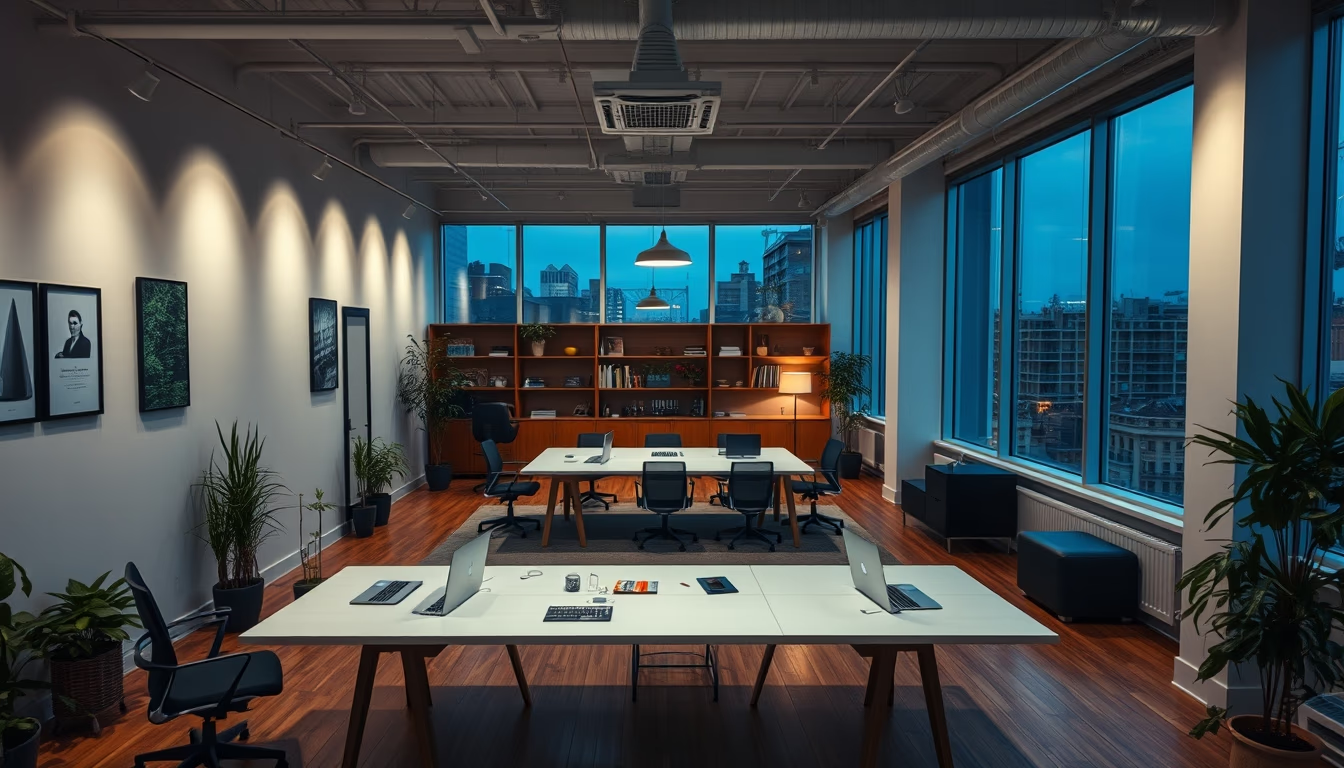
Empty coworking spaces reflect the transformation of hybrid work and the adaptation of corporate environments.
About this subject
Coworking spaces emerged as a response to the need for workplace flexibility, particularly among freelancers, startups, and remote professionals. Globally, the coworking market grew exponentially over the past decade, with major operators like WeWork, Regus, and Impact Hub expanding into numerous cities. These environments are designed to foster collaboration, creativity, and productivity, featuring open areas, modular meeting rooms, phone booths, and relaxed lounges.
The COVID-19 pandemic drastically altered the usage of these spaces. With social distancing and widespread remote work, many coworking spaces stood empty for months. Even after the recovery, the hybrid model, mixing office and home days, reduced demand for fixed desks but increased interest in flexible spaces and on-demand bookings. Aerial shots of empty coworking spaces, like this one, highlight the new reality: large, well-equipped offices occasionally vacant, waiting for the next wave of professionals.
Design is key to attracting users. Ergonomic furniture, natural lighting, cutting-edge technology (high-speed Wi-Fi, printers, video conferencing), and green areas are differentiators. By 2026, coworking spaces are expected to become more specialized, offering niches such as content creator spaces, podcast studios, or innovation labs. The emptiness seen in the image is not a sign of failure but rather a strategic pause between rental cycles or a quiet moment before the midday rush.
Frequently Asked Questions
Why are so many coworking spaces empty nowadays?
The main reason is the adoption of hybrid work, which reduces the need for daily attendance. Additionally, many companies renegotiated contracts or switched to flexible subscription models, leaving periods of low occupancy between renewals.
What are the design features of a modern coworking space?
Modern coworking spaces prioritize natural lighting, ergonomic furniture, open collaboration areas, acoustic phone booths, integrated technology (robust Wi-Fi, USB outlets), and decompression zones such as lounges and cafés.
How are coworking spaces adapting for 2026?
Trends include greater specialization (e.g., spaces for content creators), use of artificial intelligence for booking management and personalization, and more flexible subscription models that combine in-office and remote days.
Direct URL
https://pub-c7d6a6ea828543ac903a74a341ccb2e1.r2.dev/imagens/co-working-space-empty-aerial-drone-shot-p4.avifHow to credit
Include a visible link back to UtilizAí. Copy one of the snippets below:
<a href="https://xn--utiliza-eza.com/en/midia/imagens/co-working-space-empty-aerial-drone-shot-p4">Co working space empty</a> by <a href="https://xn--utiliza-eza.com">UtilizAí</a>, licensed under <a href="https://creativecommons.org/licenses/by/4.0/">CC BY 4.0</a>.
[Co working space empty](https://xn--utiliza-eza.com/en/midia/imagens/co-working-space-empty-aerial-drone-shot-p4) by [UtilizAí](https://xn--utiliza-eza.com), CC BY 4.0
License: CC-BY-4.0