Chocolate tempering marble
1344×768 · AVIF · CC BY 4.0
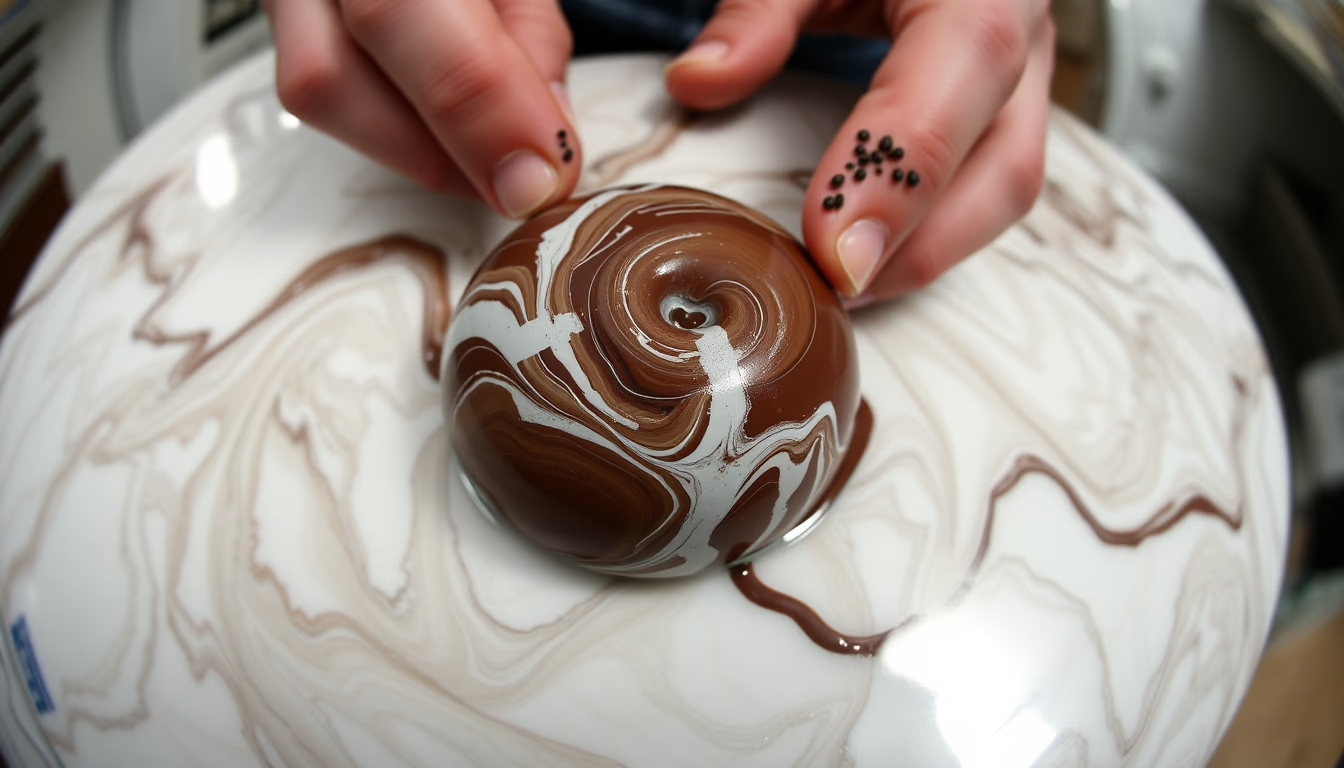
Chocolate tempering marble: the essential tool for chocolatiers to achieve perfect shine and snap.
About this subject
Tempering chocolate is a thermal process that stabilizes cocoa butter, ensuring gloss, crisp texture, and resistance to melting. The marble slab is the classic surface for this step because its low thermal conductivity and high cold retention allow controlled, even cooling. Professional chocolatiers spread melted chocolate on the marble, working it with scrapers until it reaches the ideal crystallization temperature, typically between 27°C and 31°C depending on the chocolate type.
Marble is preferred over materials like granite or stainless steel due to its smooth, non-porous texture, which prevents contamination and eases cleaning. Additionally, natural stone maintains stable temperature longer, essential for large-scale tempering. Carrara marble from Italy is the most renowned, but domestic Brazilian marble, such as Branco Paraná, is also used. Ideal thickness ranges from 2 to 4 cm; thicker slabs retain more cold.
Historically, manual tempering dates back to the 19th century, when early Swiss and French chocolatiers developed techniques to improve chocolate texture. Although automatic tempering machines exist today, many artisans still prefer the manual method on marble because it allows direct visual and tactile control of texture. A well-maintained tempered marble slab can last for decades; periodic recrystallization (polishing with fine abrasives) restores its surface.
The image, with fisheye and wide-angle effects, suggests an immersive, magnified view of the process, highlighting reflections and the texture of chocolate being manipulated. The blurred background emphasizes the movement of the spatula over the marble, inviting the viewer to learn about this art that combines science and technique.
Frequently Asked Questions
Why is marble used for tempering chocolate?
Marble has low thermal conductivity and high cold retention, allowing controlled, even cooling of chocolate. Its smooth, non-porous surface is also easy to clean and does not contaminate the product.
What is the ideal temperature for tempering chocolate on marble?
It depends on the chocolate type: dark chocolate between 31°C and 32°C, milk between 29°C and 30°C, and white between 27°C and 28°C. The process involves cooling chocolate to about 27°C and then gently reheating to working temperature.
Can granite or other stone be used instead of marble?
Yes, but marble is preferred for its texture and cold retention. Granite is harder and less porous, but its thermal conductivity is slightly higher, requiring more care to avoid too rapid cooling. Stainless steel is also used but does not retain cold as well.
Direct URL
https://pub-c7d6a6ea828543ac903a74a341ccb2e1.r2.dev/imagens/chocolate-tempering-marble-fish-eye-wide-angle-fresh12.avifHow to credit
Include a visible link back to UtilizAí. Copy one of the snippets below:
<a href="https://xn--utiliza-eza.com/en/midia/imagens/chocolate-tempering-marble-fish-eye-wide-angle-fresh12">Chocolate tempering marble</a> by <a href="https://xn--utiliza-eza.com">UtilizAí</a>, licensed under <a href="https://creativecommons.org/licenses/by/4.0/">CC BY 4.0</a>.
[Chocolate tempering marble](https://xn--utiliza-eza.com/en/midia/imagens/chocolate-tempering-marble-fish-eye-wide-angle-fresh12) by [UtilizAí](https://xn--utiliza-eza.com), CC BY 4.0
License: CC-BY-4.0