Chirashi bowl rice
1344×768 · AVIF · CC BY 4.0
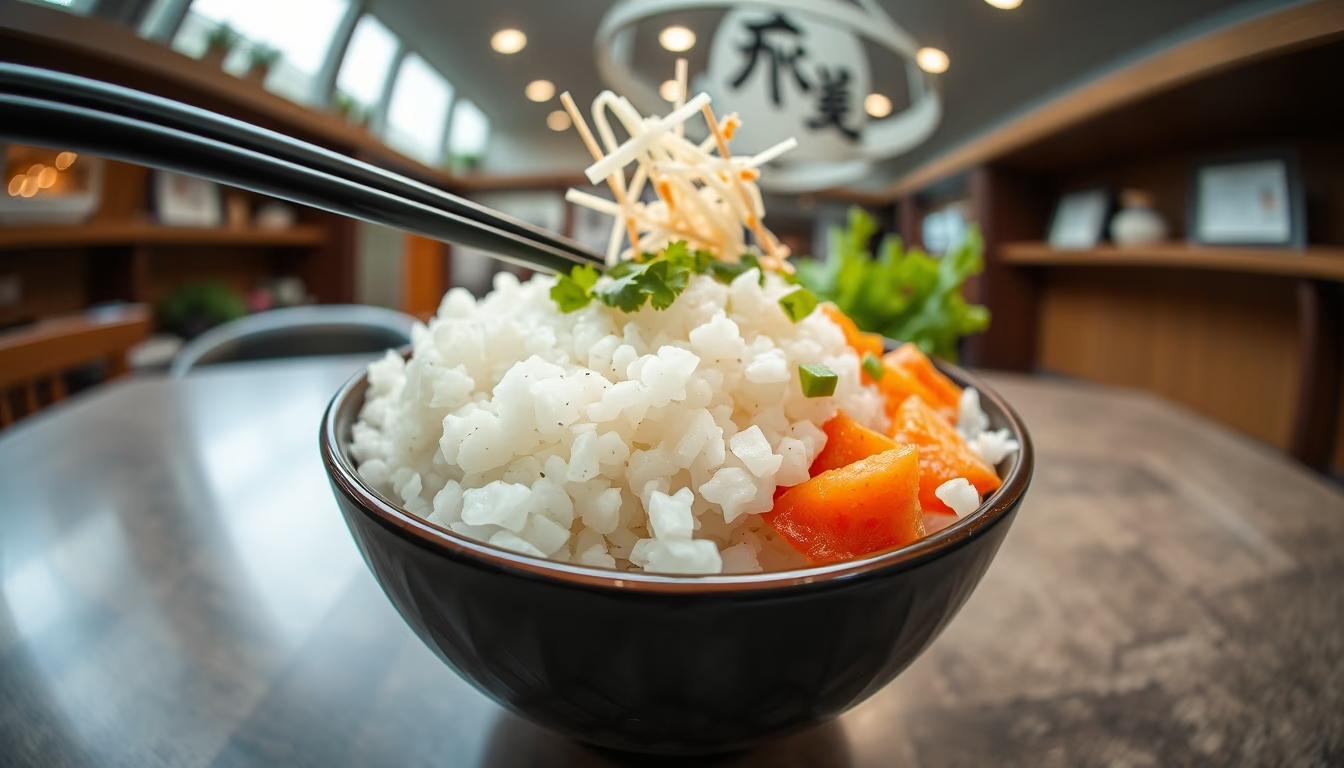
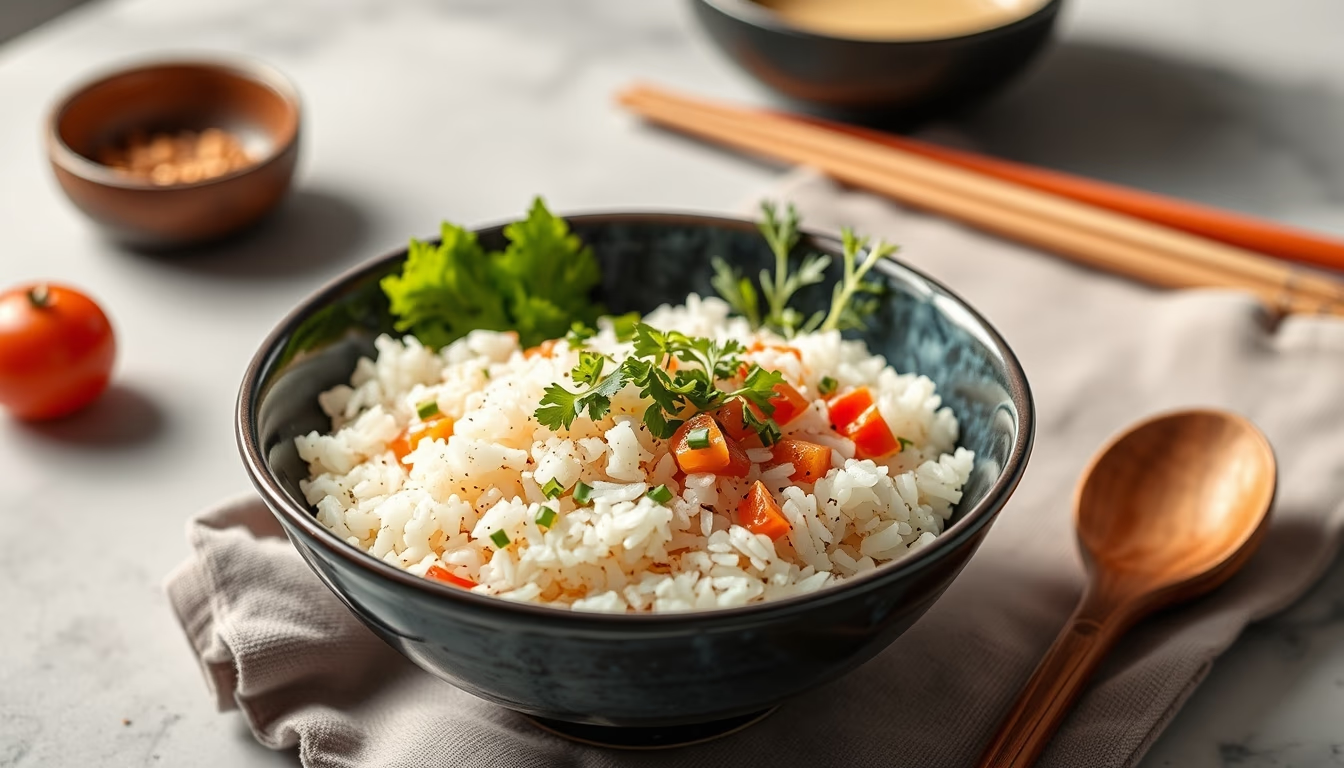
Chirashi bowl is a combination of sushi rice with raw fish and other fresh ingredients, typical of Japanese cuisine.
About this subject
Chirashi, meaning 'scattered' in Japanese, is a style of sushi where ingredients are placed over a bed of vinegared rice. Unlike nigiri or maki, chirashi requires no molding or rolling and is served in a bowl. Originating in the Edo period (19th century), the dish emerged as a practical way to use fresh fish cuts in coastal regions of Japan.
There are important regional variations: in Kanto (Tokyo), traditional chirashi includes raw fish like salmon, tuna, and shrimp, along with omelette (tamago), cucumber, and nori. In Kansai (Osaka), cooked or marinated fish such as eel and octopus with pickled vegetables are common. Modern versions incorporate Western ingredients like avocado and cream cheese, popular in fusion styles such as 'Hawaiian chirashi'.
Rice preparation is crucial: short-grain Japanese rice is cooked and seasoned with rice vinegar, sugar, and salt, then cooled before toppings are added. The fish must be high quality, usually sashimi-grade, sliced into thin, uniform pieces. Presentation emphasizes contrasting colors and harmonious arrangement, reflecting the Japanese aesthetic of simplicity and freshness.
Nutritionally, chirashi provides lean protein from fish, carbohydrates from rice, and healthy omega-3 fats. It is common in sushi restaurants in Brazil, where the dish has been adapted with local ingredients like heart of palm and salmon, one of the most consumed fish in the country. Chirashi is appreciated for its practicality and balanced flavor, serving as an appetizer or main course in Japanese meals.
Frequently Asked Questions
What is chirashi?
Chirashi is a type of sushi served in a bowl, with seasoned rice and various toppings of raw fish, vegetables, and omelette. The name means 'scattered' in Japanese.
What are typical ingredients in chirashi?
Common ingredients include salmon, tuna, shrimp, tamago (omelette), cucumber, nori, and pickled ginger. Regional variations may use cooked or marinated fish.
How does chirashi differ from traditional sushi?
In chirashi, ingredients are placed over rice without shaping, whereas nigiri has fish pressed onto rice balls. It is quicker to prepare and serves larger portions.
Direct URL
https://pub-c7d6a6ea828543ac903a74a341ccb2e1.r2.dev/imagens/chirashi-bowl-rice-fish-eye-wide-angle-fresh0.avifHow to credit
Include a visible link back to UtilizAí. Copy one of the snippets below:
<a href="https://xn--utiliza-eza.com/en/midia/imagens/chirashi-bowl-rice-fish-eye-wide-angle-fresh0">Chirashi bowl rice</a> by <a href="https://xn--utiliza-eza.com">UtilizAí</a>, licensed under <a href="https://creativecommons.org/licenses/by/4.0/">CC BY 4.0</a>.
[Chirashi bowl rice](https://xn--utiliza-eza.com/en/midia/imagens/chirashi-bowl-rice-fish-eye-wide-angle-fresh0) by [UtilizAí](https://xn--utiliza-eza.com), CC BY 4.0
License: CC-BY-4.0