Ceviche peruvian fresh
1344×768 · AVIF · CC BY 4.0
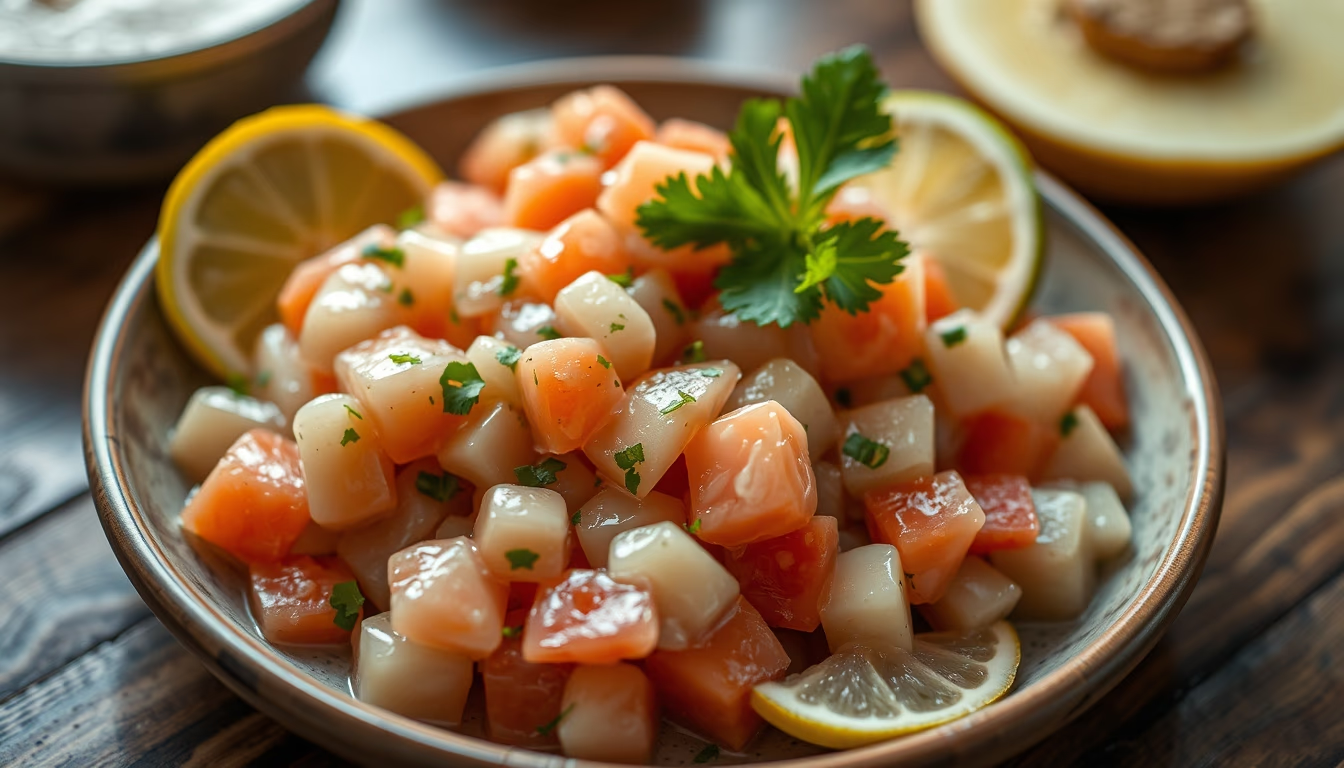
Peruvian ceviche is a dish of raw fish marinated in lime juice, red onion, and chili, recognized as Cultural Heritage of the Nation in Peru.
About this subject
Peruvian ceviche is one of the most emblematic dishes of Latin American cuisine, especially from Peru. Its origins date back to pre-Columbian times, when indigenous peoples of the Peruvian coast already prepared fresh fish with tumbo juice (a native fruit) or other citrus liquids. With the arrival of the Spanish, lime was introduced and became the central ingredient of the marinade, along with red onion and ají (Peruvian chili). Currently, ceviche has been considered a Cultural Heritage of the Nation in Peru since 2005, and in 2023 UNESCO recognized the art of Peruvian ceviche as Intangible Cultural Heritage of Humanity.
Traditional preparation uses fresh white fish, such as corvina or sole, cut into cubes and marinated for a few minutes in lime juice, which cooks the fish through acidity (a process called "chemical cooking"). It is accompanied by sliced red onion, ají limo (yellow Peruvian chili), cilantro, salt, and in some regions, toasted corn (cancha) and boiled sweet potato. The marinade, known as "leche de tigre" (tiger's milk), is considered a revitalizing elixir and is often served with the dish.
Different regions of Peru have their variations: norteño ceviche uses thick onion rings and ají mochero; black shell ceviche comes from the Peruvian Amazon with native mollusk; and shrimp ceviche, on the coast. Outside Peru, especially in Ecuador and Mexico, the term ceviche may refer to preparations with tomato sauce or pre-cooked seafood, but the Peruvian version maintains the purity of fresh ingredients.
Beyond flavor, ceviche is a symbol of Peruvian national identity and is featured in gastronomic festivals such as Mistura (a culinary fair in Lima). Its global popularity has grown in recent decades, becoming one of the most internationally recognized Latin American dishes, served in haute cuisine restaurants with sophisticated variations including foams and jellies, always respecting the acidic and fresh base.
Frequently Asked Questions
What is the difference between Peruvian and Mexican ceviche?
Peruvian ceviche uses only lime juice to marinate raw fish, without tomato sauce or pre-cooking. Mexican ceviche often includes tomato sauce, ketchup, and seafood may be pre-cooked.
What is leche de tigre?
Leche de tigre (tiger's milk) is the liquid leftover from marinating ceviche, a mixture of lime juice, chili, onion, and fish juices. It is drunk as a revitalizing beverage or used as a base for other dishes like "arroz con mariscos".
Is Peruvian ceviche safe to eat?
Yes, when prepared with ultra-frozen or very fresh fish and proper hygiene. The acidity of lime helps kill microorganisms, but it does not replace adequate refrigeration.
Direct URL
https://pub-c7d6a6ea828543ac903a74a341ccb2e1.r2.dev/imagens/ceviche-peruvian-fresh-documentary-photography-fresh6.avifHow to credit
Include a visible link back to UtilizAí. Copy one of the snippets below:
<a href="https://xn--utiliza-eza.com/en/midia/imagens/ceviche-peruvian-fresh-documentary-photography-fresh6">Ceviche peruvian fresh</a> by <a href="https://xn--utiliza-eza.com">UtilizAí</a>, licensed under <a href="https://creativecommons.org/licenses/by/4.0/">CC BY 4.0</a>.
[Ceviche peruvian fresh](https://xn--utiliza-eza.com/en/midia/imagens/ceviche-peruvian-fresh-documentary-photography-fresh6) by [UtilizAí](https://xn--utiliza-eza.com), CC BY 4.0
License: CC-BY-4.0