Centenary olive tree spain
1344×768 · AVIF · CC BY 4.0
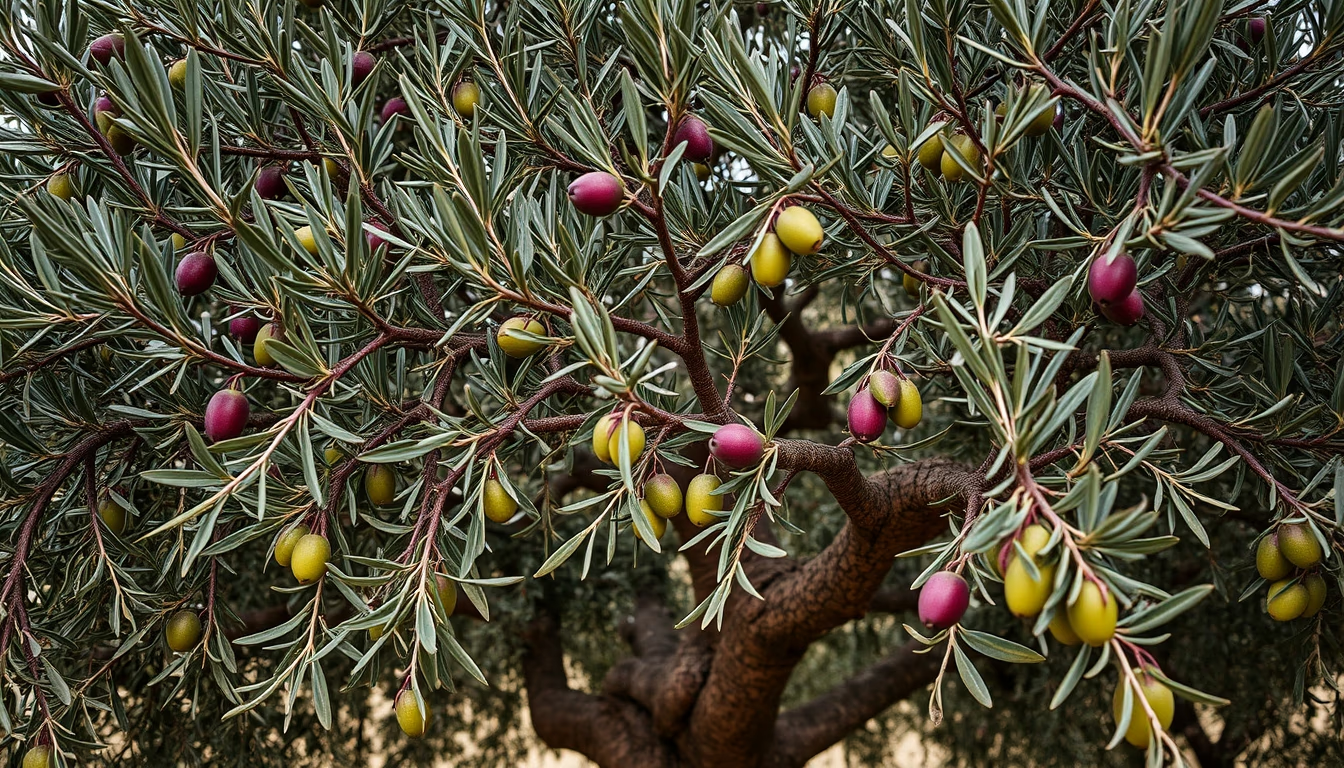
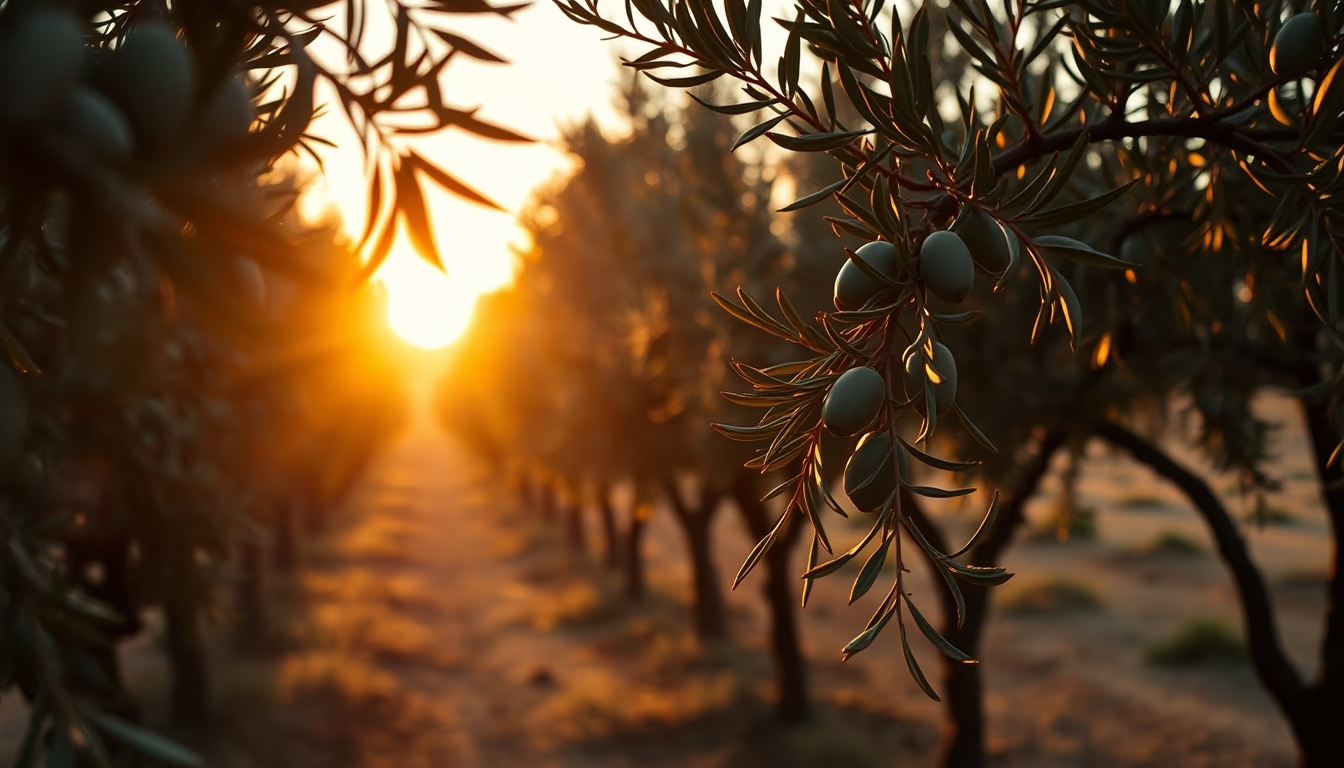
Centenary olive trees in Spain are living witnesses to the agricultural and cultural history of the Mediterranean, producing high-quality olives.
About this subject
The centenary olive tree is a symbol of the Spanish rural landscape, especially in Andalusia, where vast olive groves stretch across provinces like Jaén, Córdoba and Seville. These trees, many over a hundred years old, are known for their resilience and ability to produce olives even under adverse soil and climate conditions. Spain is the world's largest olive oil producer, and centenary olive trees yield fruits with intense and complex flavors, prized by artisan producers.
Olive cultivation on the Iberian Peninsula dates back to the Phoenicians and Romans, who introduced planting and pruning techniques. Centenary olive trees often have twisted and hollow trunks, the result of centuries of growth and adaptation. Some are protected as natural heritage, such as the "Oliveira do Caminho" in Aragon, over 1,000 years old. Their longevity is linked to low water needs and the ability to regrow after fires or frost.
In Spanish culture, the centenary olive tree symbolizes peace, wisdom and continuity. Local festivals, like the "Fiesta de la Aceituna" in Martos, Jaén, celebrate the harvest and oil tradition. Extra virgin olive oils from centenary trees receive Protected Designation of Origin (PDO) status, such as PDO Priego de Córdoba or PDO Sierra Mágina. Conservation faces modern challenges, such as intensive agricultural expansion and the Xylella fastidiosa plague, threatening olive groves across Europe.
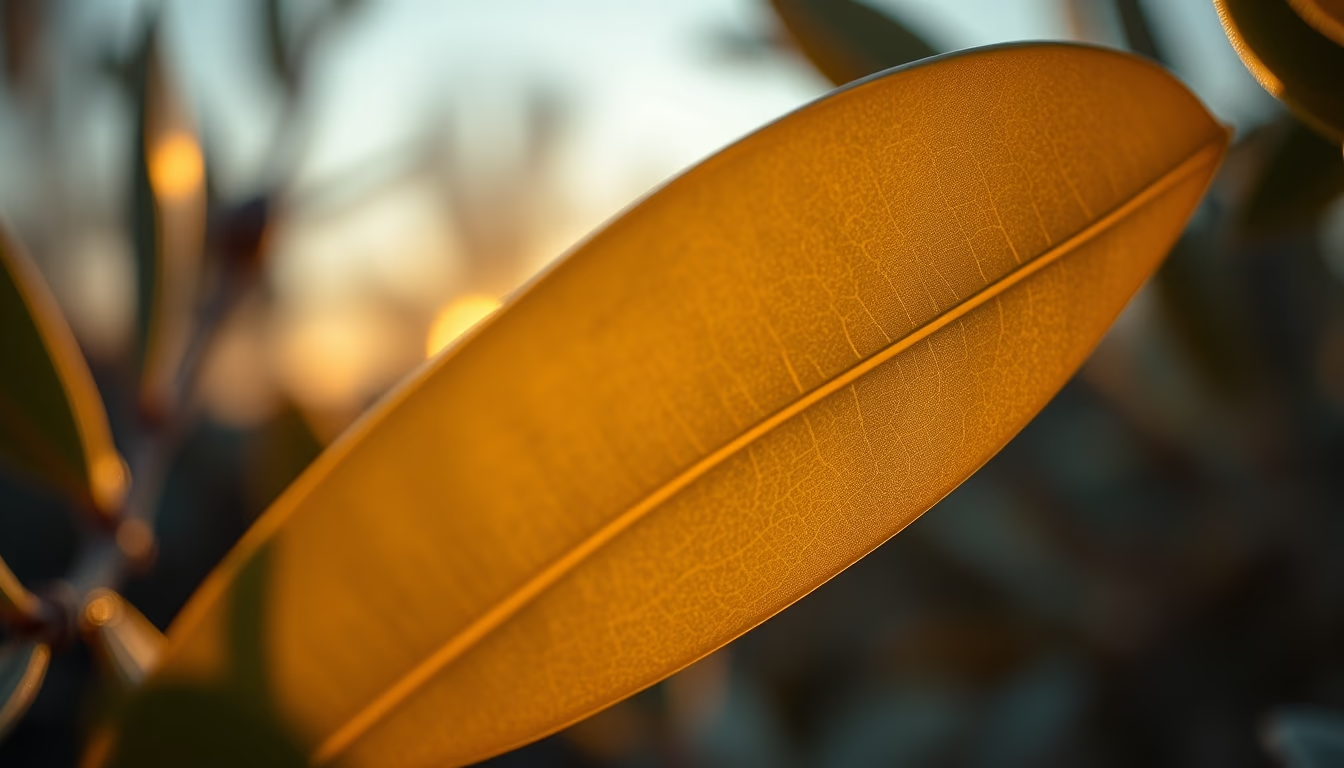
Interestingly, some centenary olive trees in Spain have been transplanted to botanical gardens or private estates as ornamental pieces, but most remain in commercial production. The wood is valued for crafts and sculpture, while leaves are used in medicinal infusions. Agronomic studies show that centenary trees have deep root systems that help prevent soil erosion, contributing to Mediterranean ecosystem sustainability.
Frequently Asked Questions
How old must an olive tree be to be considered centenary?
A centenary olive tree is at least 100 years old. In Spain, some olive trees exceed 1,000 years, like the "Oliveira do Caminho" in Aragon.
Where are the most famous centenary olive trees in Spain?
The most famous are in Andalusia, especially in Jaén, Córdoba and Seville. Aragon also hosts protected millennial specimens.
Is olive oil from centenary trees more expensive?
Yes, extra virgin olive oil from centenary trees is usually priced higher due to limited production, intense flavor, and Protected Designation of Origin (PDO) certifications.
Direct URL
https://pub-c7d6a6ea828543ac903a74a341ccb2e1.r2.dev/imagens/centenary-olive-tree-spain-national-geographic-style-p2.avifHow to credit
Include a visible link back to UtilizAí. Copy one of the snippets below:
<a href="https://xn--utiliza-eza.com/en/midia/imagens/centenary-olive-tree-spain-national-geographic-style-p2">Centenary olive tree spain</a> by <a href="https://xn--utiliza-eza.com">UtilizAí</a>, licensed under <a href="https://creativecommons.org/licenses/by/4.0/">CC BY 4.0</a>.
[Centenary olive tree spain](https://xn--utiliza-eza.com/en/midia/imagens/centenary-olive-tree-spain-national-geographic-style-p2) by [UtilizAí](https://xn--utiliza-eza.com), CC BY 4.0
License: CC-BY-4.0