Centenary olive tree spain
1344×768 · AVIF · CC BY 4.0
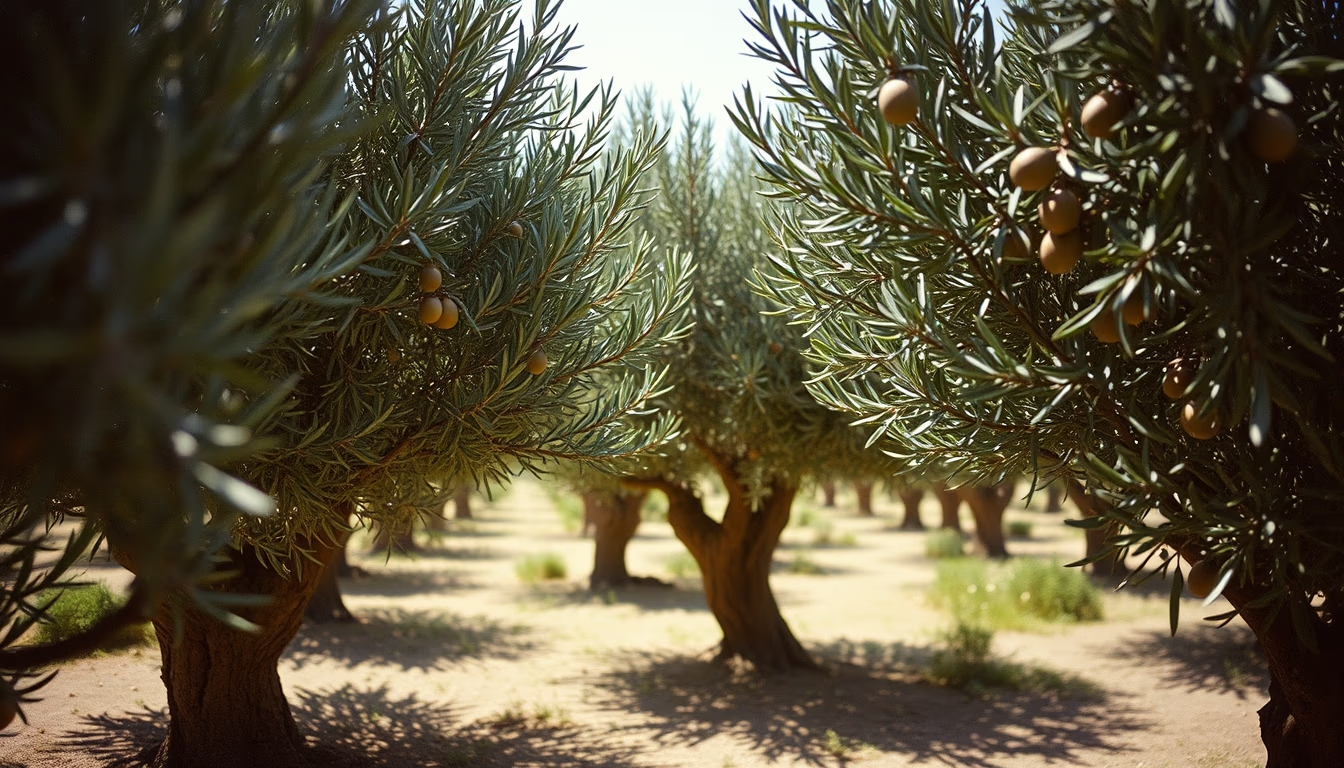
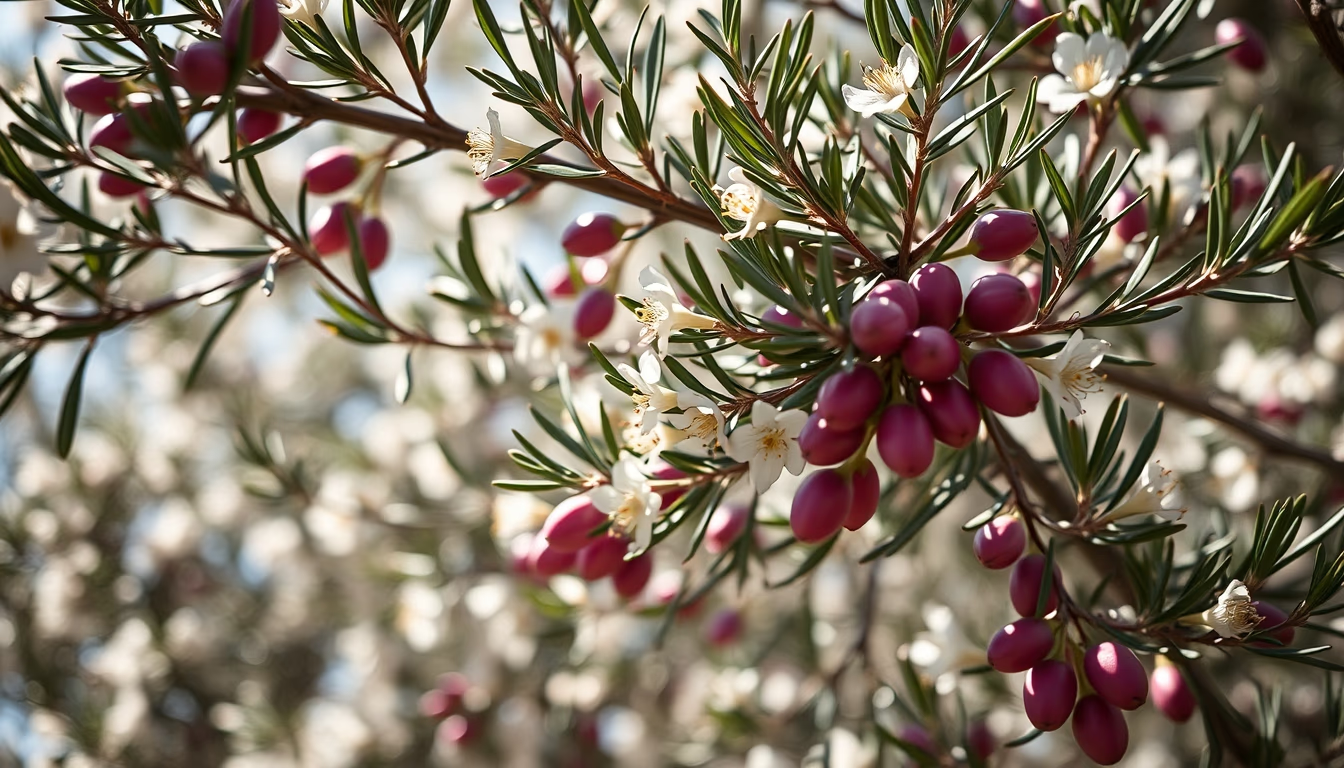
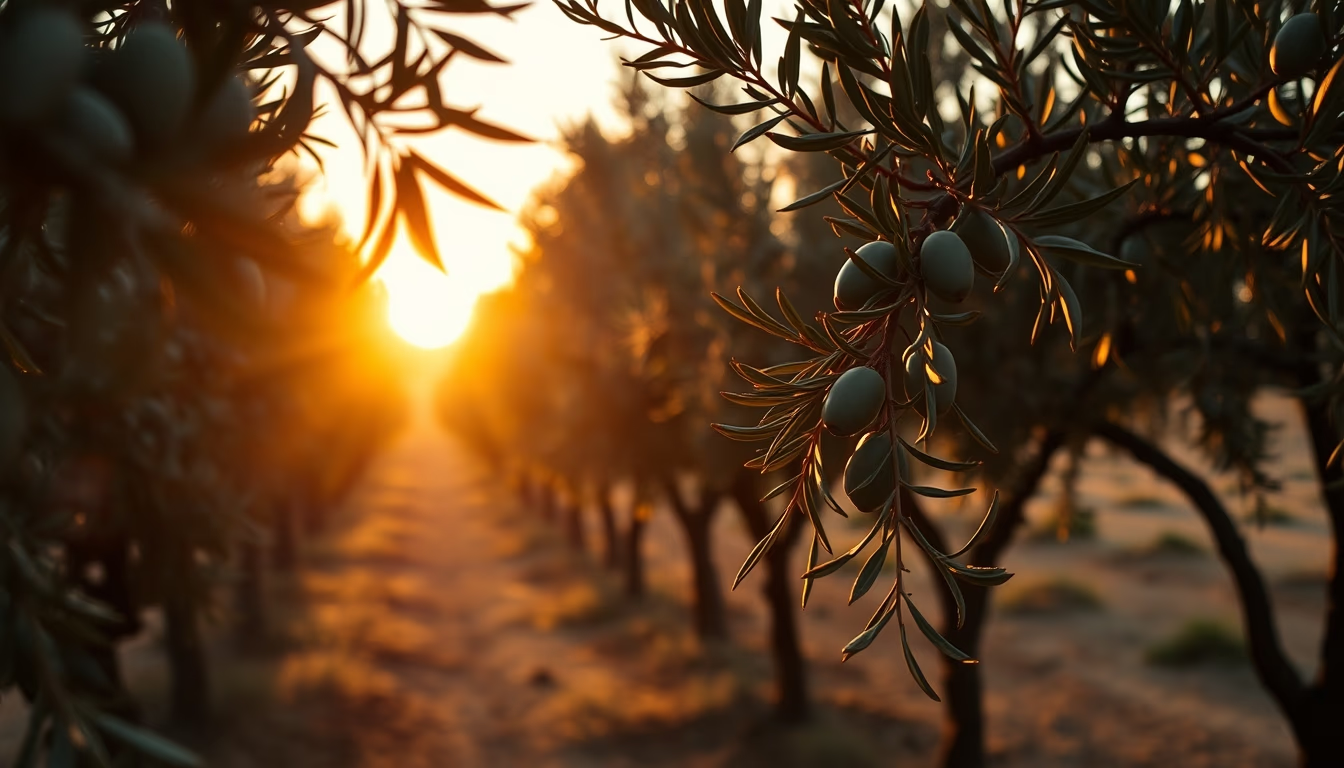
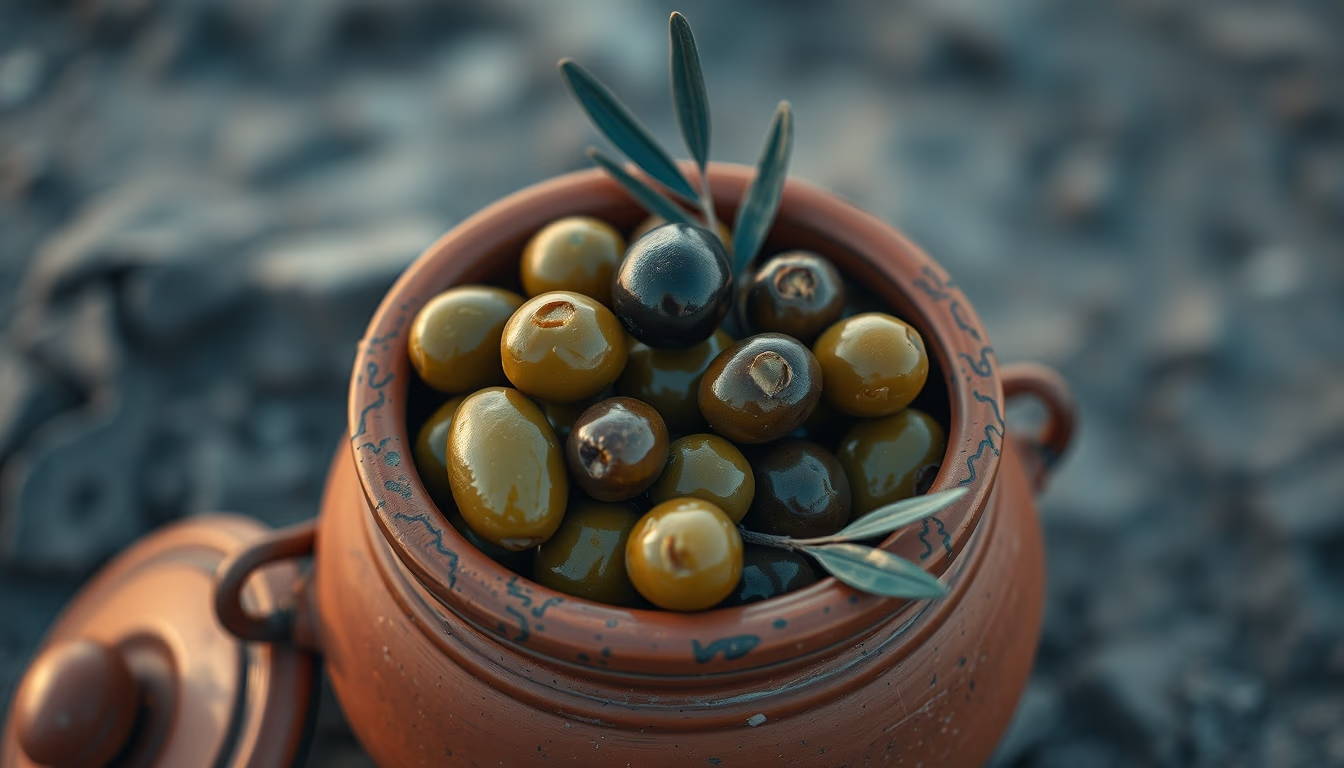
Centenary olive tree in Spain, a living witness to centuries of olive oil cultivation and Mediterranean tradition.
About this subject
Centenary olive trees are living heritage of the Mediterranean landscape. In Spain, the world's largest producer of olive oil, trees over a hundred years old are common in regions such as Andalusia, Catalonia, and Extremadura. Many date back to Roman or Moorish times, some reaching estimated ages of 500 to 1,000 years. These trees, like the famous “Millennium Olive” in Ulldecona, Catalonia, have twisted, thick trunks with diameters exceeding 5 meters. They are protected by local laws and, in some cases, by UNESCO due to their historical and ecological value.
Olive cultivation (Olea europaea) is one of the oldest agricultural practices in the Mediterranean. Archaeological evidence in the Iberian Peninsula shows olive oil production since the Neolithic period. Centenary olive trees still produce olives today, usually harvested by hand to preserve quality and tree health. The oil from these trees is often more intense and complex in flavor, valued by chefs and artisanal producers.
Beyond oil production, these trees hold cultural and tourist significance. Routes like the “Route of the Millenary Olive Trees” in Andalusia attract visitors interested in agricultural history and landscape beauty. Some centenary olive trees are symbols of resilience and longevity, appearing in Spanish art and literature. Sustainable management includes careful pruning and controlled irrigation to ensure their survival for future generations.
Conservation of centenary olive trees faces challenges. Land abandonment, urbanization, and mechanized agriculture threaten these specimens. Cataloging and protection initiatives, such as Spain's “Catalog of Singular Trees,” aim to preserve this heritage. The European Union funds projects to maintain these trees as part of the continent's natural and cultural legacy.
Frequently Asked Questions
How old does an olive tree need to be to be considered centenary?
To be considered centenary, the olive tree must be at least 100 years old. Many in Spain are between 200 and 1,000 years old.
Where can I find centenary olive trees in Spain?
They are mainly found in Andalusia (Jaén, Córdoba, Seville), Catalonia (Terres de l’Ebre), and Extremadura. There are tourist routes that visit them.
Do centenary olive trees produce good quality olives?
Yes, they produce olives with intense and complex flavor, highly valued for premium artisan olive oils. Harvesting is usually manual.
Direct URL
https://pub-c7d6a6ea828543ac903a74a341ccb2e1.r2.dev/imagens/centenary-olive-tree-spain-lo-fi-disposable-camera-p6.avifHow to credit
Include a visible link back to UtilizAí. Copy one of the snippets below:
<a href="https://xn--utiliza-eza.com/en/midia/imagens/centenary-olive-tree-spain-lo-fi-disposable-camera-p6">Centenary olive tree spain</a> by <a href="https://xn--utiliza-eza.com">UtilizAí</a>, licensed under <a href="https://creativecommons.org/licenses/by/4.0/">CC BY 4.0</a>.
[Centenary olive tree spain](https://xn--utiliza-eza.com/en/midia/imagens/centenary-olive-tree-spain-lo-fi-disposable-camera-p6) by [UtilizAí](https://xn--utiliza-eza.com), CC BY 4.0
License: CC-BY-4.0