Cell animation paper
1344×768 · AVIF · CC BY 4.0

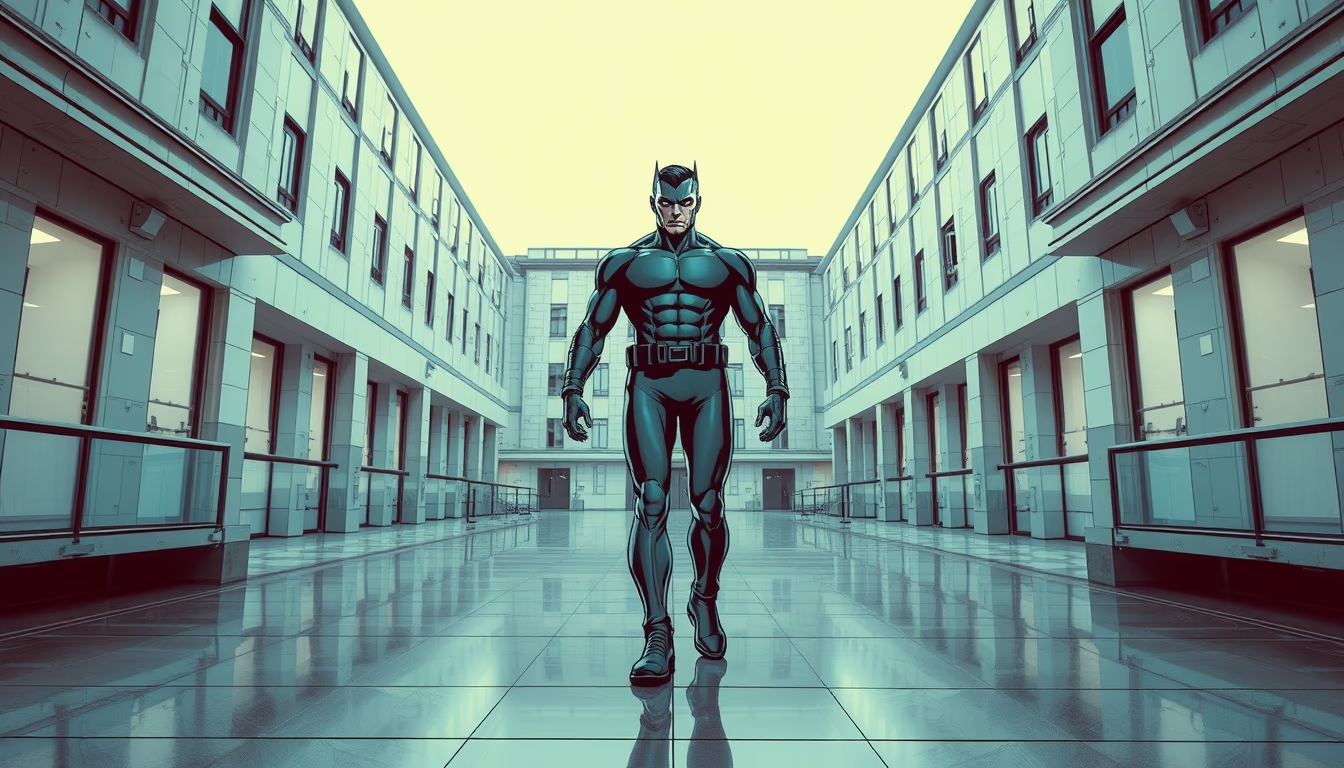
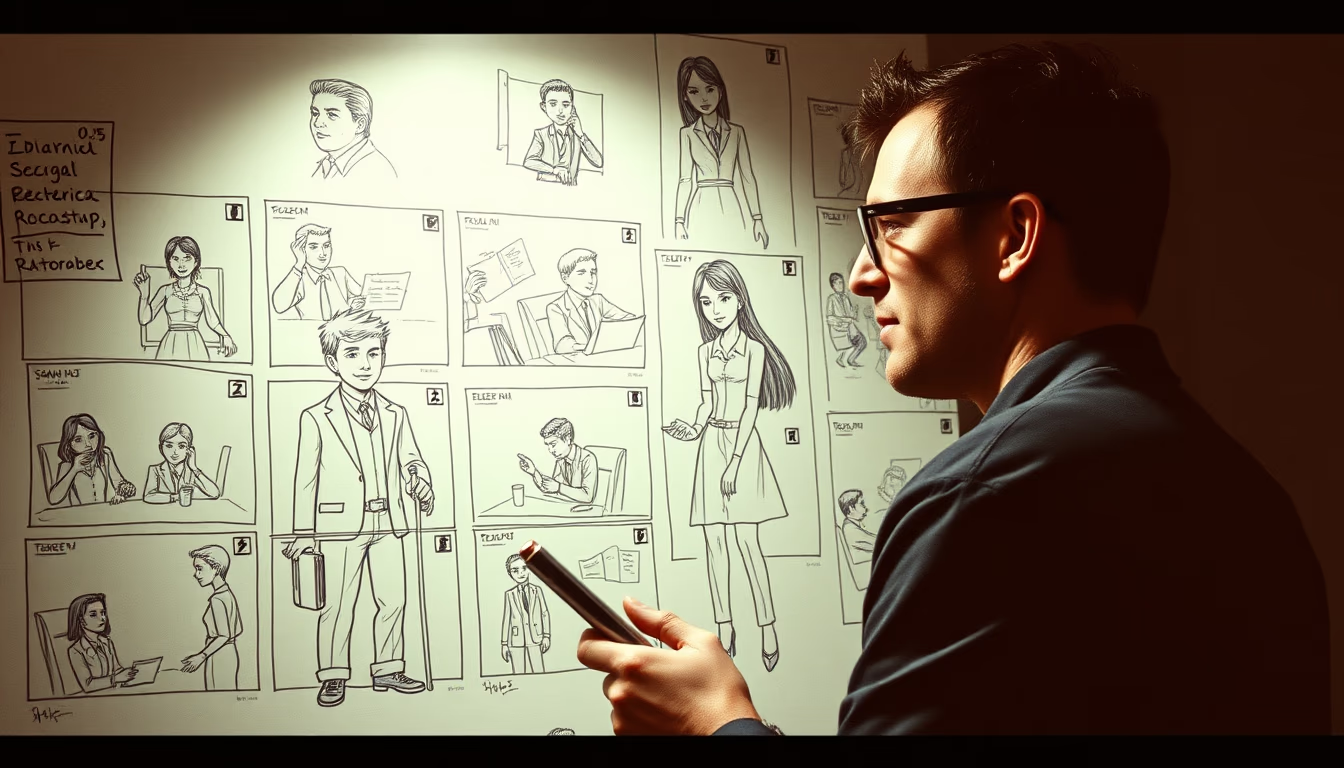
Cell animation paper, the classic transparent sheet used in traditional hand-drawn animation from the 1910s to the digital era.
About this subject
Cell animation paper, or simply 'cel,' is a cornerstone of traditional hand-drawn animation. Originally made from highly flammable cellulose nitrate, it was replaced by safer cellulose acetate in the 1940s. Each transparent sheet held one frame of animation. Artists first drew on perforated paper, often yellow to reduce eye strain, then transferred the outlines onto the cel and painted the reverse side. This layering technique allowed backgrounds and characters to be reused across multiple frames, saving time and labor.
The paper used for keyframes and in-betweens featured precisely spaced holes to fit over peg bars, ensuring consistent alignment. A single second of animation required 24 separate cels for smooth motion. Major studios like Walt Disney and Hanna-Barbera standardized sizes and paper weights, sourcing from specialty suppliers such as Acme Animation. The yellow paper became iconic, as its tint minimized glare under bright light tables.
The rise of digital animation in the 1990s rendered physical cels mostly obsolete. Software like Toon Boom and Adobe Flash streamlined production, though many animators still admire the tactile quality and unique translucency of acetate. In Brazil, studios like Mauricio de Sousa Produções used cels until the early 2000s. Today, original cels are sought-after collectibles, auctioned for hundreds of dollars. They represent a bygone era when every frame was a hand-painted artwork.
The lo-fi disposable camera aesthetic of this image echoes the nostalgic charm of that handcrafted process. Cell animation paper, though no longer standard, remains a fundamental concept taught in animation schools worldwide.
Frequently Asked Questions
What is the difference between a cel and animation paper?
A cel is the transparent sheet (usually acetate) where the final artwork is painted, while animation paper is the opaque paper (often yellow) used for rough sketches and in-betweens. The paper drawing is traced onto the cel for coloring.
How did animators use perforated paper?
Paper sheets had precisely spaced holes that fit over peg bars on the light table. This ensured every drawing was perfectly aligned, preventing jitter in the final animation.
What caused the decline of physical cels in animation?
The shift to digital animation in the 1990s made physical cels obsolete. Digital software allows frames to be created, colored, and composited quickly and cheaply, with easy editing and reuse, drastically reducing production time and cost.
Direct URL
https://pub-c7d6a6ea828543ac903a74a341ccb2e1.r2.dev/imagens/cell-animation-paper-lo-fi-disposable-camera-fresh16.avifHow to credit
Include a visible link back to UtilizAí. Copy one of the snippets below:
<a href="https://xn--utiliza-eza.com/en/midia/imagens/cell-animation-paper-lo-fi-disposable-camera-fresh16">Cell animation paper</a> by <a href="https://xn--utiliza-eza.com">UtilizAí</a>, licensed under <a href="https://creativecommons.org/licenses/by/4.0/">CC BY 4.0</a>.
[Cell animation paper](https://xn--utiliza-eza.com/en/midia/imagens/cell-animation-paper-lo-fi-disposable-camera-fresh16) by [UtilizAí](https://xn--utiliza-eza.com), CC BY 4.0
License: CC-BY-4.0