Cell animation paper
1344×768 · AVIF · CC BY 4.0

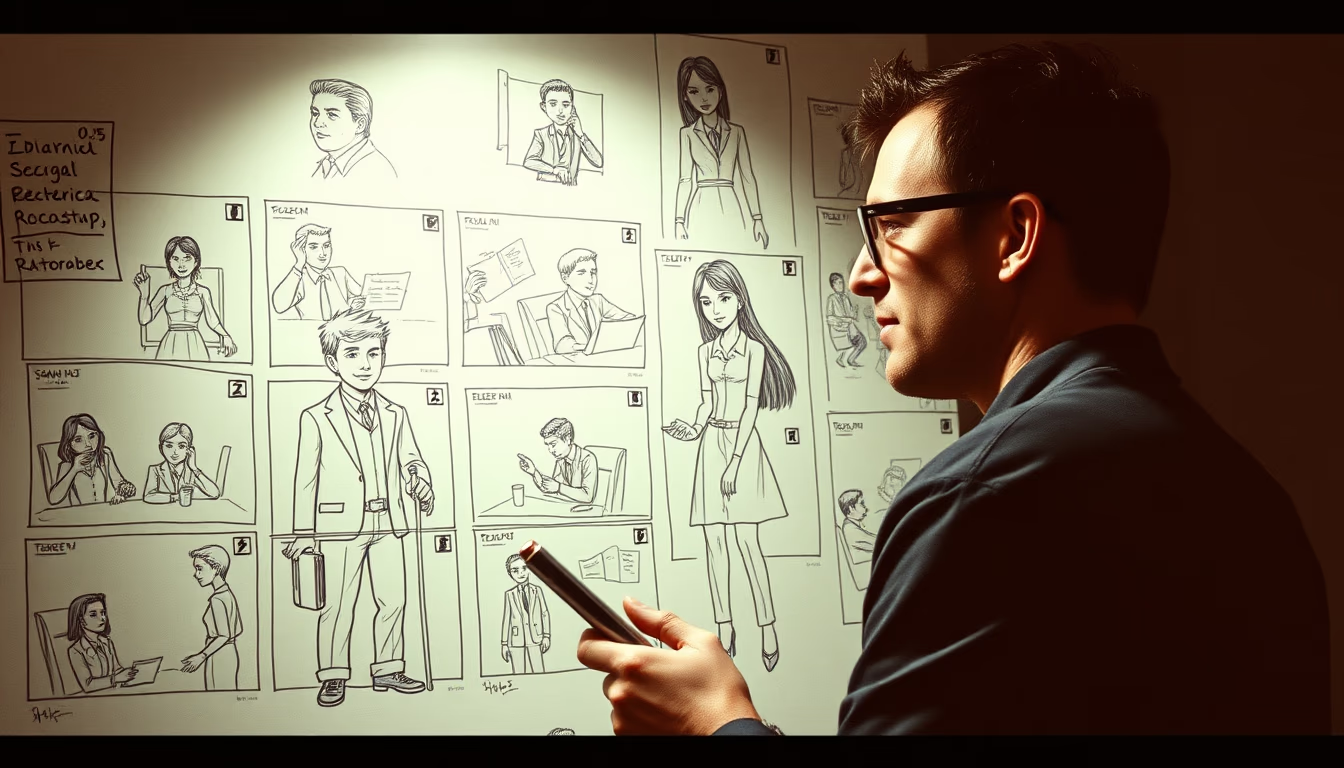
Cell animation paper, also known as acetate or tracing paper, was essential in the production of classic cartoons.
About this subject
Cell animation paper is a translucent paper, typically made of cellulose acetate, used in traditional hand-drawn animation. It allowed animators to draw keyframes and inbetweens on separate sheets, which were then stacked to create the illusion of movement. The transparency enabled viewing the previous drawing, ensuring consistent lines. The paper had standardized punched holes that fit onto registration pegs on light tables, keeping all layers aligned during filming.
The technique was widely adopted by Hollywood studios, especially Disney, from the 1930s onward. Films like 'Snow White and the Seven Dwarfs' (1937) and 'Fantasia' (1940) were produced entirely with thousands of cell sheets. Each second of animation required 24 frames, and each frame could have multiple layers for characters, backgrounds, and effects. This process demanded vast amounts of paper, careful storage, and skilled labor.
With the rise of computer graphics in the 1990s, the use of cell paper declined significantly. However, many animators still value the tactile feel and artistic control that paper provides. Studios like Studio Ghibli maintained the tradition longer, blending digital techniques with hand drawings. Today, original cell paper from classic animations has become a collector's item, with sheets selling at auctions for thousands of dollars.
Interestingly, the term 'cell' derives from 'celluloid', the plastic material originally used. Modern tracing paper is a cheaper, biodegradable alternative. Despite digitization, the aesthetic of hand-drawn lines on translucent paper continues to inspire independent animators and studios seeking a nostalgic look.
Frequently Asked Questions
What is cell animation paper in traditional animation?
It is a translucent paper, usually made of acetate, used to draw animation frames. Its transparency allows overlaying drawings and seeing the previous frame, aiding motion continuity.
How does the cell animation technique work?
Animators draw each frame on separate cell paper sheets, which are punched to fit onto registration pegs on a light table. This keeps all layers aligned. The sheets are photographed in sequence to create the film.
Why did studios stop using cell paper?
With the digitization of animation in the 1990s, software like Toon Boom and Adobe Flash replaced paper, reducing costs and speeding up production. However, some studios still use it for specific artistic effects.
Direct URL
https://pub-c7d6a6ea828543ac903a74a341ccb2e1.r2.dev/imagens/cell-animation-paper-cinematic-wide-shot-fresh4.avifHow to credit
Include a visible link back to UtilizAí. Copy one of the snippets below:
<a href="https://xn--utiliza-eza.com/en/midia/imagens/cell-animation-paper-cinematic-wide-shot-fresh4">Cell animation paper</a> by <a href="https://xn--utiliza-eza.com">UtilizAí</a>, licensed under <a href="https://creativecommons.org/licenses/by/4.0/">CC BY 4.0</a>.
[Cell animation paper](https://xn--utiliza-eza.com/en/midia/imagens/cell-animation-paper-cinematic-wide-shot-fresh4) by [UtilizAí](https://xn--utiliza-eza.com), CC BY 4.0
License: CC-BY-4.0