Cave house cappadocia
1344×768 · AVIF · CC BY 4.0
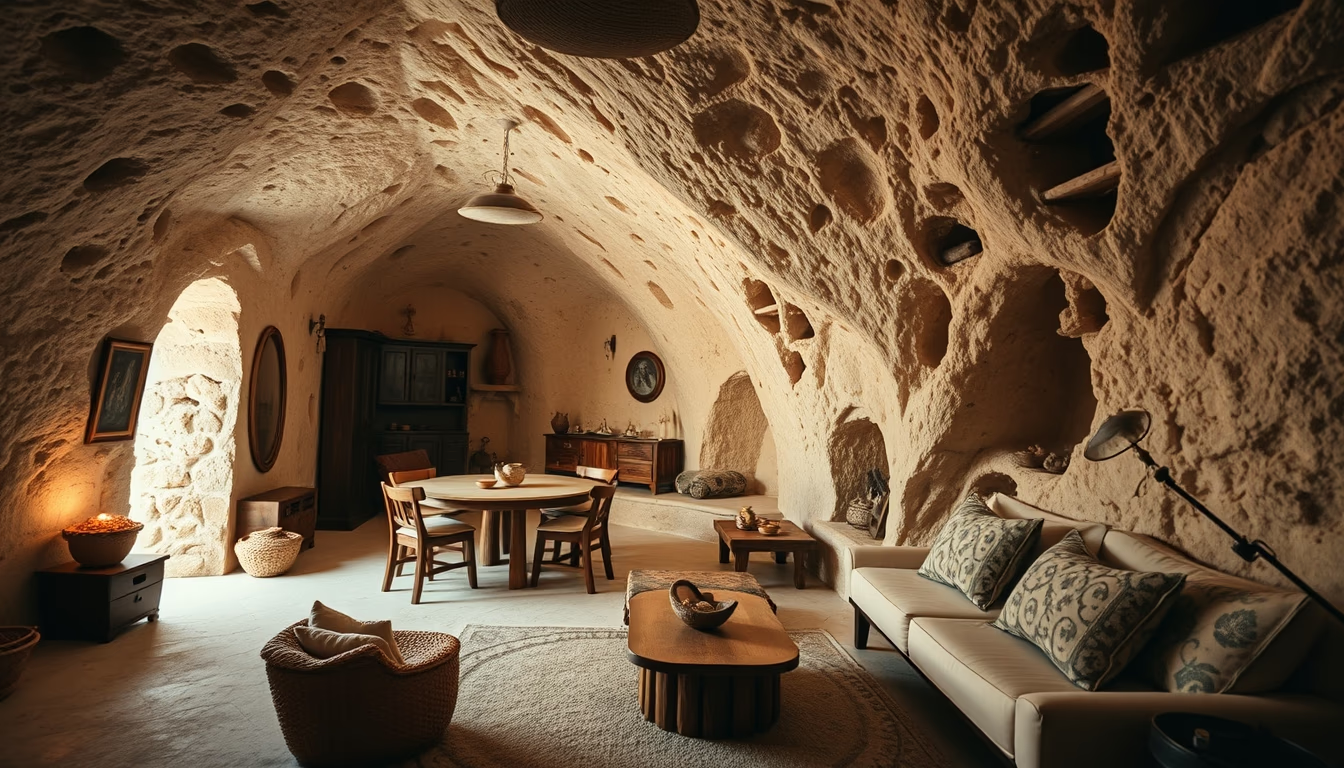
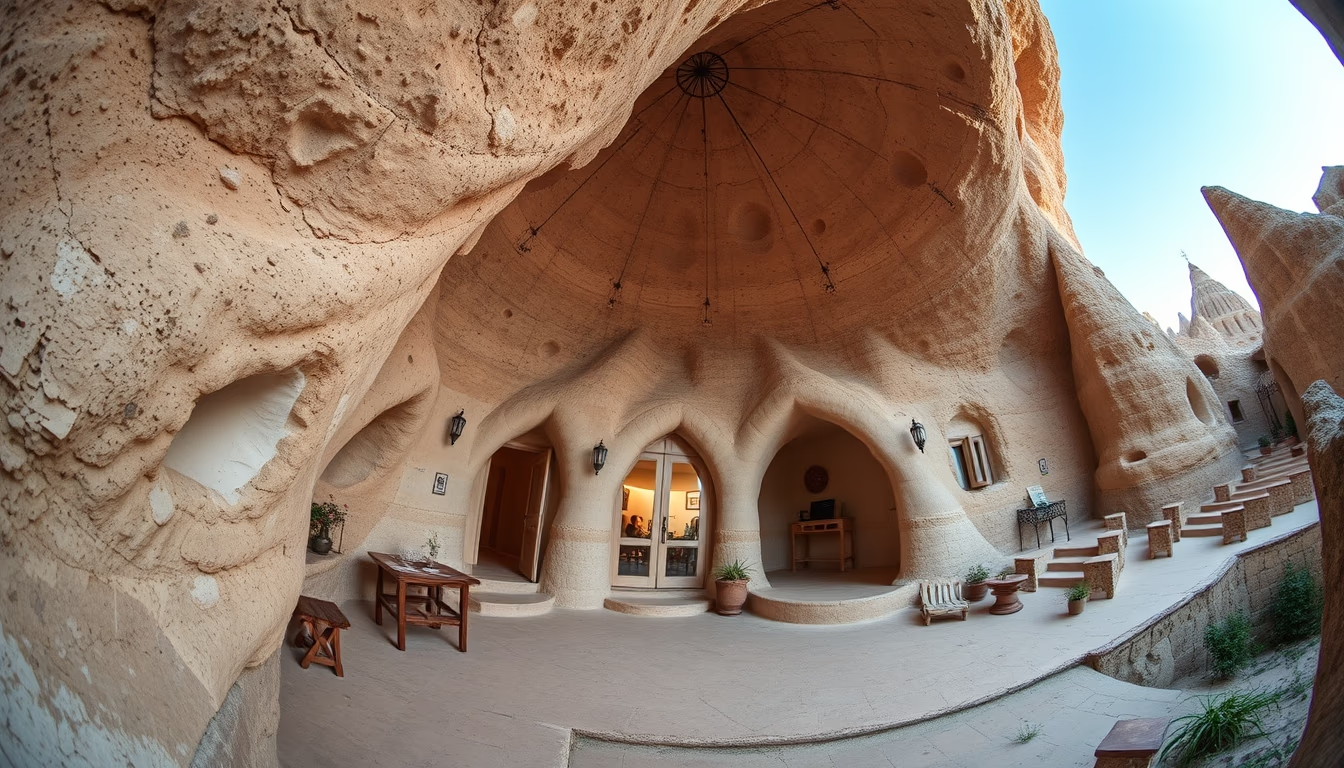
The cave houses of Cappadocia are dwellings carved into volcanic rock, symbolizing troglodyte architecture and the region's rich history.
About this subject
The cave houses of Cappadocia, in central Turkey, are a remarkable example of troglodyte architecture. Carved into volcanic tuff, a soft rock formed from ancient ash deposits, these dwellings have been created over millennia. The region, known for its fairy chimneys and lunar landscapes, hosts underground complexes dating back to Hittite times, but the peak of construction occurred during the Byzantine period, when persecuted Christians excavated churches, monasteries, and homes for shelter.
Today, many of these caves have been restored into boutique hotels, restaurants, and museums, drawing tourists from around the globe. The combination of natural thermal insulation (cool in summer, warm in winter) and rustic aesthetics makes them a model of vernacular sustainability. It is estimated that over 200 rock-cut churches exist in the area, many still adorned with preserved frescoes.
The architectural uniqueness lies in the adaptation to the terrain: houses are carved directly into the rock, with interconnected rooms via narrow tunnels and openings for ventilation and light. Unlike conventional buildings, no additional support structures are needed, as the volcanic rock is self-supporting. This construction method is a testament to human ingenuity in the face of extreme geographical conditions.
Cappadocia was declared a UNESCO World Heritage Site in 1985, which helped preserve this unique heritage. Today, a balance between tourism and conservation is maintained, with restrictions on new excavations and incentives for maintaining historical structures. The cave houses continue to be a living symbol of cultural and architectural adaptability.
Frequently Asked Questions
How were the cave houses of Cappadocia built?
They were manually carved into soft volcanic tuff using simple tools like pickaxes and hammers. The process involved digging from top to bottom, creating interconnected rooms via tunnels.
Is it safe to live in a cave house?
Yes, if properly maintained. The volcanic rock is durable and provides natural thermal insulation. However, humidity and erosion can be issues without periodic care.
Where exactly are the cave houses of Cappadocia located?
They are concentrated in the historical region of Cappadocia in Central Anatolia, Turkey. Key sites include Göreme, Ürgüp, Uçhisar, and Avanos.
Direct URL
https://pub-c7d6a6ea828543ac903a74a341ccb2e1.r2.dev/imagens/cave-house-cappadocia-studio-still-life-fresh14.avifHow to credit
Include a visible link back to UtilizAí. Copy one of the snippets below:
<a href="https://xn--utiliza-eza.com/en/midia/imagens/cave-house-cappadocia-studio-still-life-fresh14">Cave house cappadocia</a> by <a href="https://xn--utiliza-eza.com">UtilizAí</a>, licensed under <a href="https://creativecommons.org/licenses/by/4.0/">CC BY 4.0</a>.
[Cave house cappadocia](https://xn--utiliza-eza.com/en/midia/imagens/cave-house-cappadocia-studio-still-life-fresh14) by [UtilizAí](https://xn--utiliza-eza.com), CC BY 4.0
License: CC-BY-4.0