Cave house cappadocia
1344×768 · AVIF · CC BY 4.0
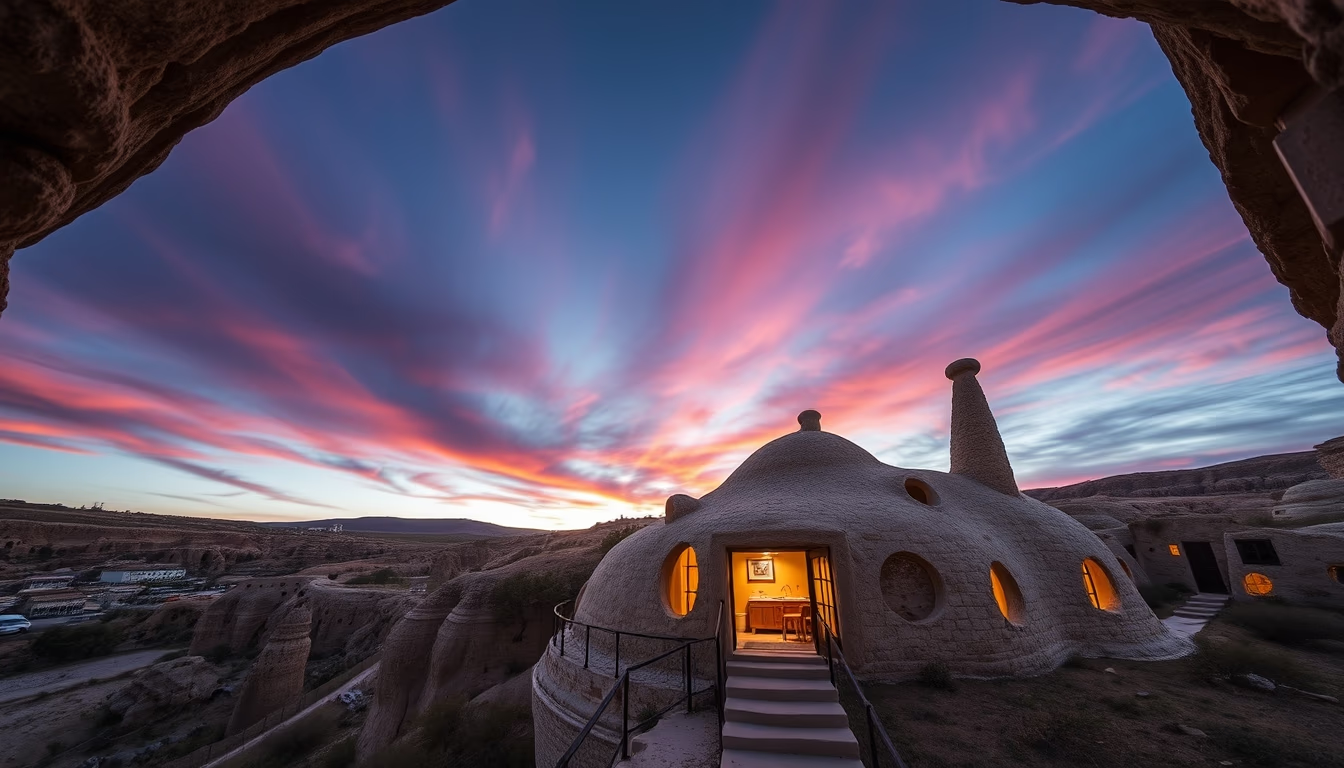
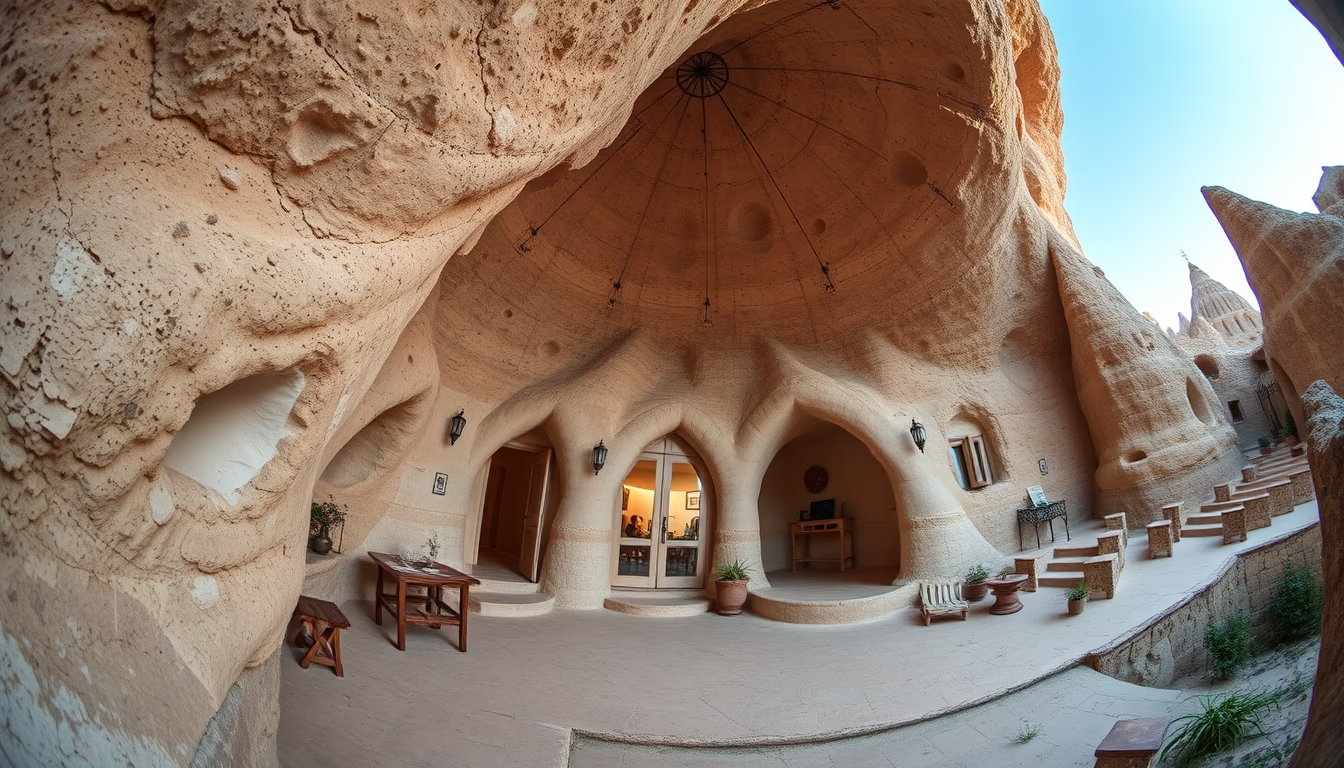
Cappadocia cave houses, carved into volcanic rock for millennia, contain dwellings, churches, and historic hotels in central Turkey.
About this subject
The cave houses of Cappadocia are among the world's most impressive examples of troglodyte architecture. Located in central Turkey, these dwellings were carved directly into soft volcanic tuff rock, which allows easy excavation with simple tools. The earliest cave settlements date back to the Hittite period around 2000 BCE, but it was during the Byzantine era (4th to 11th centuries) that the region became a refuge for Christian communities fleeing persecution. These communities excavated not only homes but also churches adorned with frescoes, monasteries, and entire underground cities such as Derinkuyu and Kaymaklı, reaching up to 18 levels deep. The semi-arid climate of Cappadocia, with hot summers and cold winters, makes caves naturally insulating: they maintain mild temperatures year-round. Today, many of these ancient dwellings have been converted into boutique hotels, restaurants, and craft shops, attracting tourists worldwide. The structures are protected as a UNESCO World Heritage site since 1985 due to their unique historical and geological value. Interestingly, the fairy chimneys, rock pinnacles that also house caves, result from differential erosion of tuff and the harder basalt cap above. This surreal landscape inspired films like Star Wars and remains one of the most photographed destinations on Earth.
Frequently Asked Questions
How were the cave houses of Cappadocia built?
They were manually carved into soft volcanic tuff using simple tools like pickaxes and chisels. The process took generations, with tunnels, rooms, and even entire cities being expanded over centuries.
Is it safe to live in a cave house in Cappadocia?
Yes, the tuff rock is stable and earthquake-resistant when properly maintained. Many caves have been modernized with electricity and plumbing, now serving as comfortable hotels and residences with natural thermal insulation.
What is the historical significance of the rock-cut churches in Cappadocia?
The rock-cut churches, such as those in Göreme Valley, contain well-preserved Byzantine frescoes depicting biblical scenes and saints. They represent religious and cultural resilience during persecution periods and are a unique record of early Christian art.
Direct URL
https://pub-c7d6a6ea828543ac903a74a341ccb2e1.r2.dev/imagens/cave-house-cappadocia-long-exposure-fresh15.avifHow to credit
Include a visible link back to UtilizAí. Copy one of the snippets below:
<a href="https://xn--utiliza-eza.com/en/midia/imagens/cave-house-cappadocia-long-exposure-fresh15">Cave house cappadocia</a> by <a href="https://xn--utiliza-eza.com">UtilizAí</a>, licensed under <a href="https://creativecommons.org/licenses/by/4.0/">CC BY 4.0</a>.
[Cave house cappadocia](https://xn--utiliza-eza.com/en/midia/imagens/cave-house-cappadocia-long-exposure-fresh15) by [UtilizAí](https://xn--utiliza-eza.com), CC BY 4.0
License: CC-BY-4.0