Cave house cappadocia
1344×768 · AVIF · CC BY 4.0
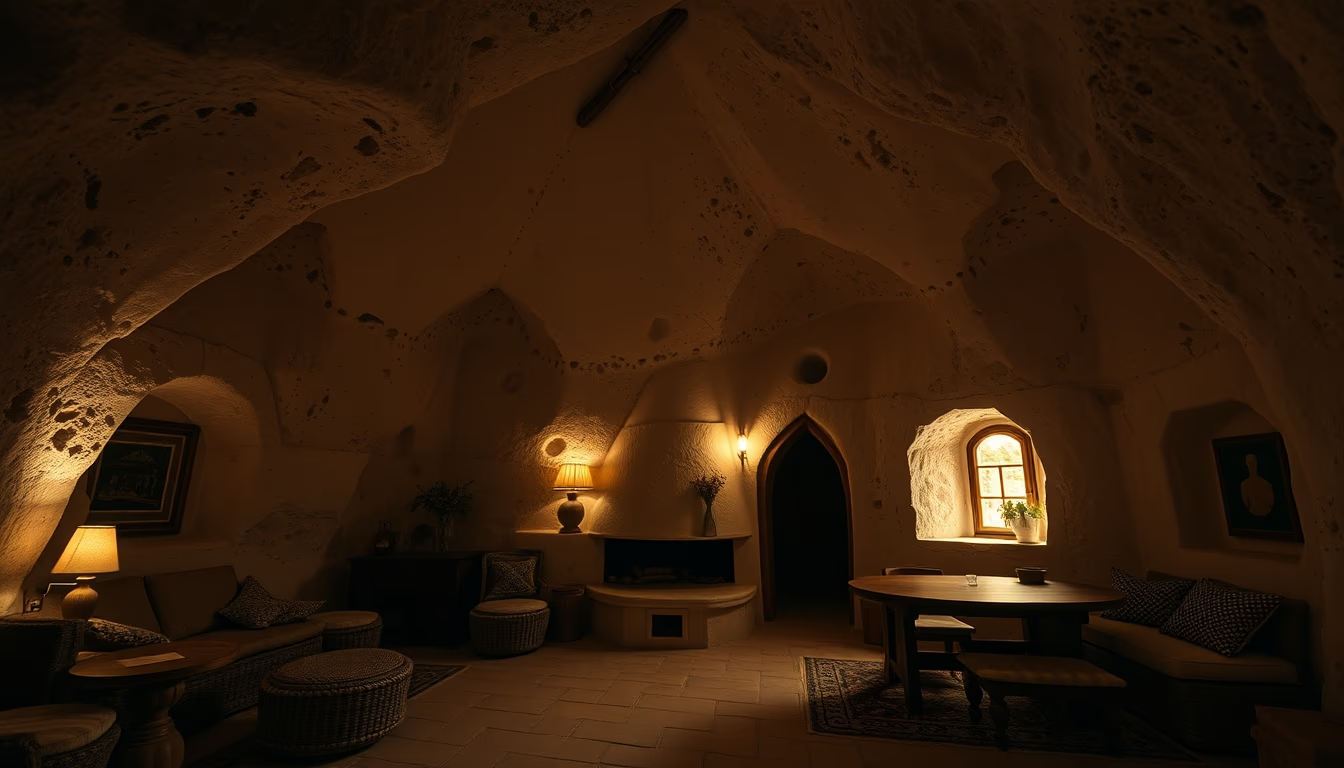
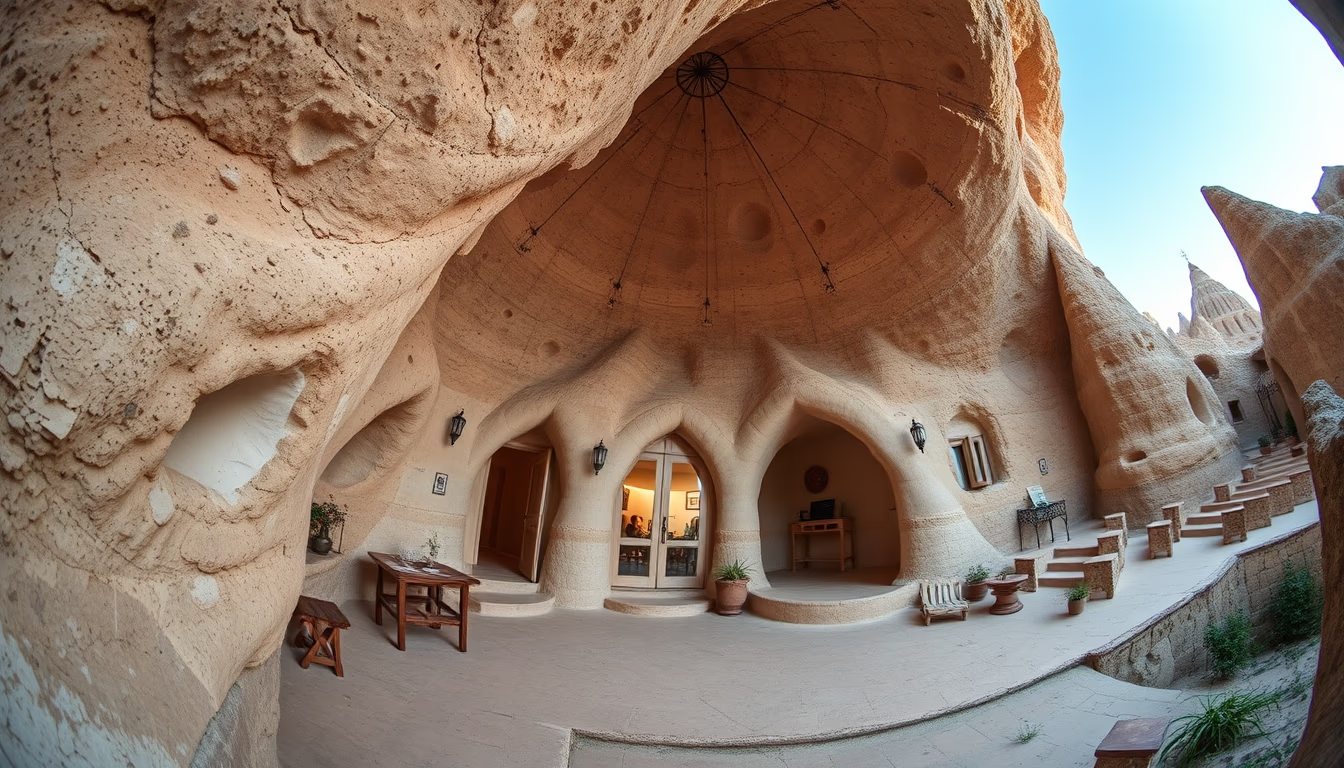
Cappadocia's cave houses are historical dwellings carved into volcanic rock, dating back to the Byzantine period.
About this subject
In the Cappadocia region of central Turkey, volcanic tuff formations have been carved over millennia to create cave houses, churches, and underground cities. This type of dwelling emerged around the 4th century when Christian communities fled Roman persecution and sought shelter in the soft rock. The houses were hand-dug with simple tools, taking advantage of the easy excavation of tuff, which hardens upon exposure to air.
Cave houses ranged from simple rooms to complex multi-level networks, including kitchens, stables, and living areas. Many had ventilation systems and light shafts. Indoor temperatures remain constant between 10°C and 15°C, providing natural thermal comfort. Over centuries, these dwellings were continuously inhabited and expanded.
Today, Cappadocia's cave houses are a UNESCO World Heritage site, attracting tourists worldwide. Many have been restored into boutique hotels, restaurants, and museums. Göreme is a main hub for this architecture. The carving technique is so precise that some rock-cut churches preserve intact Byzantine frescoes.
A curiosity: Cappadocia also has complete underground cities like Derinkuyu and Kaymakli, reaching 8 levels deep, sheltering thousands with food and water supplies. Cave houses represent an ingenious housing solution combining natural resources, defense, and sustainability.
Frequently Asked Questions
How were the cave houses of Cappadocia built?
They were hand-carved into volcanic tuff, a soft rock that hardens when exposed to air. Workers used picks and chisels to create rooms, tunnels, and ventilation shafts.
Are these houses still inhabited today?
Yes, many have been restored into hotels, guesthouses, and homes. The Göreme area offers numerous cave accommodation options.
What is the historical significance of the cave houses?
They served as refuge for early Christians and housed communities for centuries. They are part of the UNESCO World Heritage site since 1985.
Direct URL
https://pub-c7d6a6ea828543ac903a74a341ccb2e1.r2.dev/imagens/cave-house-cappadocia-documentary-photography-fresh0.avifHow to credit
Include a visible link back to UtilizAí. Copy one of the snippets below:
<a href="https://xn--utiliza-eza.com/en/midia/imagens/cave-house-cappadocia-documentary-photography-fresh0">Cave house cappadocia</a> by <a href="https://xn--utiliza-eza.com">UtilizAí</a>, licensed under <a href="https://creativecommons.org/licenses/by/4.0/">CC BY 4.0</a>.
[Cave house cappadocia](https://xn--utiliza-eza.com/en/midia/imagens/cave-house-cappadocia-documentary-photography-fresh0) by [UtilizAí](https://xn--utiliza-eza.com), CC BY 4.0
License: CC-BY-4.0